
Did you know that noise pollution is a big problem for over 100 million Americans every day? The World Health Organization even says that constant noise causes a huge loss of healthy life years from things like bad sleep, heart problems, and stress. If you’re fed up with hearing your neighbor’s late-night TV or the sound of traffic keeping you awake, soundproof insulation might be the answer you’re looking for.
Home soundproofing solutions have become really popular as more people realize how much unwanted noise messes with their lives. The right acoustic insulation can change your noisy house into a peaceful sanctuary where you can finally relax and get a good night’s sleep.
What is Soundproof Insulation, and How Does It Work?
This special material is made to cut down on noise that travels through your walls or from the outside. Getting the right insulation installed is the key to creating a quiet space.
Soundproof insulation isn’t like the regular stuff that just keeps your house warm or cool. Its main job is to block, absorb, and reduce the sound waves that create all that unwanted noise. Sound moves through the air and solid things by making vibrations. When those vibrations hit your ears, your brain hears them as sound. Soundproofing materials stop these vibrations in their tracks. They use dense materials that soak up the sound energy and turn it into a tiny, unnoticeable amount of heat.
The best insulation for noise reduction uses three main tricks: absorption (soaking up sound like a sponge), blocking (putting up a barrier that sounds can’t easily pass through), and decoupling (separating wall layers so vibrations can’t travel across). Different materials are good at different things, so a mix is often best.
Types of Soundproofing Materials

There are several types of materials you can use, and some are better for certain jobs than others. Picking the right one depends on your budget and how much noise you need to block.
- Fiberglass Insulation
You might already have this in your walls for temperature control. Regular fiberglass insulation is also decent for noise insulation for home use. The tiny glass fibers trap air, but they also trap sound waves, which can reduce noise by about 4-10 decibels. It’s a low-cost option that works pretty well in wall cavities and attics.
- Mineral Wool (Rockwool)
This stuff is a step up. Acoustic insulation made from mineral wool is way denser than fiberglass, so it’s much better at blocking sound. It’s made from rock or recycled steel and can cut noise by 10-15 decibels. Contractors often choose mineral wool for serious soundproofing because it’s great at handling both high-pitched and low-rumbling sounds.
- Mass Loaded Vinyl (MLV)
This heavy, flexible vinyl sheet is one of the best insulation materials you can get for blocking sound. Even though it’s super thin (about 1/8 inch), MLV is so dense it can reduce noise by an amazing 20-30 decibels. It’s especially good at stopping low-frequency sounds like traffic or a bass-heavy home theater.
- Soundproofing Foam
Soundproofing foam and fabric panels work a little differently. Instead of blocking noise, they absorb it. This makes them perfect for cutting down on echo and improving the sound quality inside a room. Just know they won’t stop your neighbor’s music from coming through the wall.
| Material Type | Noise Reduction | Best For | Cost |
| Fiberglass | 4-10 dB | Basic soundproofing | Low |
| Mineral Wool | 10-15 dB | All-around use | Medium |
| Mass Loaded Vinyl | 20-30 dB | Blocking transmission | High |
| Soundproofing Foam | Varies | Echo control | Medium |
Benefits of Installing Soundproof Insulation

It’s not just about peace and quiet; soundproofing has real benefits for your health and wallet. It’s an investment that pays you back in more ways than one.
- Better Health and Sleep
Studies show that being around noise all the time leads to thousands of new cases of heart disease and messes with sleep for millions of people. Soundproof insulation helps protect your family’s health by creating a quieter home. That means better sleep, less stress, and better focus. Kids especially do better in quieter homes—they can concentrate on homework and sleep soundly.
- Higher Property Value
A quiet home is a valuable home. Home soundproofing solutions can also improve your home’s energy efficiency, which means lower utility bills. Real estate agents will tell you that soundproofing is a big selling point, especially in loud, busy neighborhoods. A properly soundproofed home can sell for more than a similar home without it. Buyers today are willing to pay for peace and quiet.
- Better Daily Life
Honestly, living in a quiet space just makes life better. You can have a normal conversation without shouting, watch a movie at a reasonable volume, and work from home without being distracted by every little noise. Noise insulation for home use lets everyone in the family do their own thing without bothering each other.
Where to Install Soundproof Insulation?
To get the most bang for your buck, you need to put insulation in the right places. Sound can sneak through walls, floors, and ceilings, so you need to think about all of them.
(i) Soundproof Walls
Creating soundproof walls is the first step for controlling noise between rooms or from outside. Putting acoustic insulation inside wall cavities during construction is the best time to do it. If your walls are already up, you can still add blown-in insulation or hang acoustic panels on the surface to help. For exterior walls, insulation is key to blocking traffic, construction, and loud neighbors.
(ii) Floors and Ceilings
Insulation between floors is super important for stopping footstep noise and other impact sounds. Whether it’s kids running around or someone moving furniture, the right materials in the floor and ceiling can make a huge difference for the person downstairs. Ceiling insulation also stops noise from traveling up, which is important in multi-story homes.
(iii) Insulation for Soundproof Rooms
Certain rooms need special attention. Insulation for soundproof rooms like home theaters or music studios often requires a mix of different soundproofing materials to get the job done right. Home offices have also become a priority. Soundproofing them means you can take important calls and focus on work without the chaos of the household interrupting you.
Installation: Professional vs. DIY
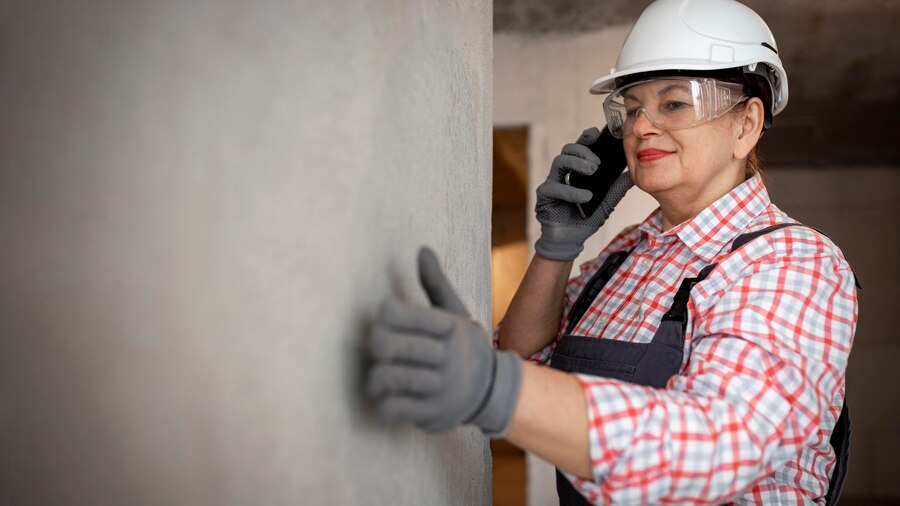
You have options when it comes to installation, but bigger jobs are usually best left to the pros. Doing it wrong can be a waste of time and money.
Professional Installation
For the best results, hire a professional. A good contractor knows which materials work best for your situation and how to install them to maximize their effectiveness. Pros can also spot tricky spots where sound can leak through, like around outlets, pipes, and vents. They have the right tools and experience to do the job right the first time.
DIY Options
Some simple projects are fine for DIY. You can easily add soundproofing foam panels to a wall or install door seals and sweeps. But if the job involves tearing down drywall or making big changes, it’s best to call in a professional. If you do it yourself, make sure you wear safety gear and follow the instructions carefully. Common mistakes include leaving gaps or not sealing everything up tight.
Soundproof Windows and Doors
Even with the best wall insulation, you can still have a noise problem. Your windows and doors are often the weakest links in your home’s sound barrier.
Regular single-pane windows and hollow doors let in a surprising amount of noise. Upgrading to double- or triple-pane soundproof windows and doors with laminated glass make a massive difference. For doors, choose a solid-core wood or composite door instead of a hollow one, and make sure it’s sealed properly all the way around. Simple things like weather stripping and door sweeps are cheap, easy upgrades that can really help block noise.
Maintenance and Long-term Performance
Good news: quality soundproof insulation is built to last. When installed correctly, materials like mineral wool and fiberglass can last for decades without losing their sound-blocking power. You should just check on it every few years to make sure there’s no moisture damage or pests, as that could hurt its performance. For the most part, it’s a set-it-and-forget-it upgrade.
Conclusion
Investing in soundproof insulation is one of the smartest moves you can make for your home and your family. With noise pollution being a real health risk, creating a quiet space makes sense for your well-being and your property value.
There are all kinds of home soundproofing solutions out there, so you can find an option that fits your budget and your needs. Whether you’re trying to block out noisy neighbors or just create a peaceful room to relax in, the right acoustic insulation can totally change your home for the better. Don’t let noise ruin your life. Start planning your project today and get on the path to a quieter, more comfortable home.
Leave a Reply