
The global house renovation market size jumped from 1,994.02 billion in 2024 to 2,049.25 billion in 2025, with bathroom renovation being one of the top home improvement projects. The problem is that most homeowners jump into their bathroom makeover without proper planning, which leads to budget overruns and endless delays.
If you’re thinking about a new bathroom or want to upgrade your existing space, this guide will show you exactly how to get it done right. We’ll cover everything from budget bathroom renovation ideas to modern bathroom renovation trends that actually work.
Understanding Real Bathroom Renovation Costs
Before you start tearing things apart, you need to know what you’re getting into financially. A typical midrange bathroom remodel recoups about 58.9% of your investment when you sell your home, making it a smart move if done correctly.
Recent data shows some eye-opening numbers. For small bathroom renovation projects, costs rose by 20% year over year, going from $5,000 to $6,000. If you’re planning something bigger, expect to spend anywhere between $10,000 and $40,000 for a complete bathroom makeover.
What Actually Affects Your Budget
Different homeowners spend different amounts based on their needs and goals. Gen Xers and baby boomers typically spend around $15,000 on their bathroom renovation projects, while younger folks often look for more affordable options.
Here’s what really impacts your final bill:
- Size of your space: Small bathroom floors cost between $2,500 and $6,000, while full bathrooms range from $3,500 to $16,000.
- How much you’re changing: Minor updates vs complete gut jobs
- Materials you pick: Basic fixtures vs. high-end finishes
- Who does the work: DIY vs hiring professionals
Always add 20% to whatever budget you think you need. Trust us on this one; unexpected problems always show up.
Planning Your Bathroom Remodel Timeline
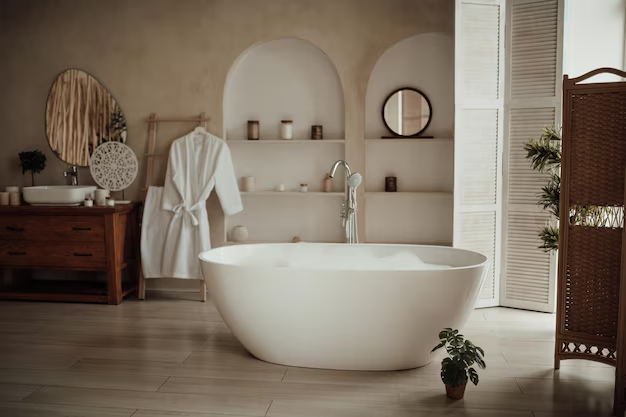
Poor planning kills more bathroom renovation projects than anything else. Every job is different, but having a solid timeline keeps everything moving smoothly and prevents costly delays.
Getting Started Right (Weeks 1-2)
Don’t jump straight into demo mode. The first step in any successful bathroom renovation is proper planning. You need to figure out what you actually want before you start ripping things out.
During this phase:
- Measure everything twice and create a basic floor plan
- Check what permits you need (most areas require them for electrical and plumbing).
- Get quotes from at least 3 contractors if you’re hiring help.
- Order special items that take forever to arrive
Design and Permits (Weeks 3-4)
Bathroom interior design isn’t just about making things look pretty; it’s about creating a space that actually works for your daily routine. This phase prevents expensive mistakes later when you realize you forgot something important.
Focus on these key decisions:
- Where fixtures will go and what plumbing changes you need
- Electrical requirements for lighting, outlets, and ventilation
- Storage solutions that make sense for your space
- Whether you need to think about accessibility features
DIY vs. Professional Help: What Makes Sense
About 9 out of 10 people doing bathroom renovation projects use professionals for at least part of the work. But smart homeowners know which jobs they can handle themselves to save money.
When You Need Professional Help
Some jobs just aren’t worth the risk of doing yourself. These always need pros:
- Moving plumbing: Relocating pipes, drains, or major fixtures
- Electrical work: New circuits, outlets, or upgrading electrical panels
- Structural changes: Taking out walls or changing the basic layout
- Waterproofing: This stuff is critical; mess it up and you’ll have major problems.
DIY Jobs That Save Real Money
If you’re handy and have time, these bathroom upgrade ideas can cut your costs significantly:
- Painting walls and doing trim work
- Installing towel bars, mirrors, and accessories
- Basic tile work (if you take time to learn proper techniques)
- Tearing out old stuff (non-structural demolition)
Just remember, it takes longer than you think. Don’t rush it, or you’ll end up with sloppy results.
The Step-by-Step Renovation Process
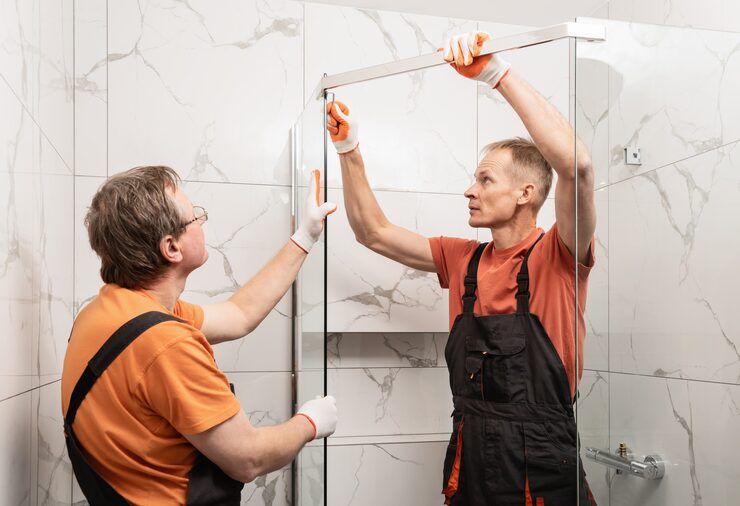
Every successful bathroom renovation follows a logical order. You can’t just start wherever you feel like it; there’s a sequence that prevents problems and keeps things moving efficiently.
Phase 1: Demo and Prep
Protect the rest of your house first. Bathroom demo creates tons of dust and debris that gets everywhere. Remove things in this order:
- Mirrors, towel bars, and accessories
- Vanity and countertops
- Toilet and other plumbing fixtures
- Old flooring
- Wall tiles or wallpaper (if you’re replacing them)
Phase 2: Behind-the-Walls Work
This is where all the important stuff happens that nobody sees. Get all your plumbing, electrical, and HVAC work done before you close up the walls. Install:
- New plumbing lines and drain connections
- Electrical circuits for lights, outlets, and fans
- Ventilation fan ducting
- Any framing repairs or reinforcements
Phase 3: Drywall and Prep
Proper insulation prevents moisture problems and keeps your new bathroom comfortable. After insulation goes in, hang and finish drywall. Make sure everything is smooth before moving to the next step.
Phase 4: Flooring
Install flooring before putting in fixtures; it makes waterproofing around the toilet and tub much easier. Popular modern bathroom renovation flooring options include:
- Porcelain tile (durable and water-resistant)
- Luxury vinyl plank (budget-friendly and easy to install)
- Natural stone (expensive but looks amazing)
Common Mistakes While Renovating Your Bathroom
Learning from other people’s mistakes saves you both time and cash. About half of homeowners who did a bathroom makeover said they started the project because they couldn’t stand their old bathroom anymore, but rushing leads to regrets.
Budget Problems That Kill Projects
The biggest mistake? Not planning for the unexpected. Here’s what catches people off guard:
- Hidden damage: Water damage behind walls that you can’t see until demo
- Code updates: Bringing old electrical or plumbing up to current standards
- Changing your mind: Deciding to upgrade fixtures halfway through
- Storage problems: Not planning enough storage space
Design Choices You’ll Regret Later
Best bathroom renovation tips always include thinking long-term. Some common regrets include:
- Picking trendy styles that’ll look dated in 5 years
- Skipping proper ventilation to save money
- Not installing enough lighting
- Ignoring accessibility needs (even if you don’t need them now)
Getting the Most Value from Your Investment
Smart bathroom renovation planning considers resale value from day one. A midrange bathroom remodel typically recoups 60-70% of what you spend, making it one of the better home improvement investments.
Features That Actually Add Value
Put your money into these high-impact bathroom remodel ideas:
- Updated fixtures: Modern faucets, showerheads, and hardware
- Better lighting: Good lighting makes any space feel more expensive.
- Quality flooring: Durable materials that handle moisture well
- Smart storage: Built-in solutions that maximize your space
Affordable Upgrades That Look Expensive
You don’t need to blow your budget to create a high-end feel with these bathroom upgrade ideas:
- Crown molding and nice trim work
- High-quality paint in sophisticated colors
- Statement mirrors and upgraded hardware
- Good accessories and maybe a plant or two
Timeline Reality Check
Small bathroom renovation projects typically take 2-3 weeks for minor updates. Mid-range remodels usually need 4-6 weeks. Complete bathroom renovations often take 8-12 weeks, and luxury custom projects can stretch 3-6 months.
Create a realistic schedule with extra time built in. Order materials early, stay in touch with your contractors, and be ready to make decisions quickly when problems come up.
Final Thoughts on Your Bathroom Project
A successful bathroom renovation comes down to three things: good planning, realistic budgeting, and quality work. Whether you’re doing a simple refresh or creating a completely new bathroom, following these guidelines helps you avoid the problems that mess up so many projects.
The bathroom makeover you’ve been thinking about is totally doable if you approach it right. Take time to plan everything upfront, set a realistic budget, and don’t rush the important stuff. You’ll end up with a space that works great for your family and adds real value to your home.
Your daily routine deserves a bathroom that actually works well. Do it right the first time, and you’ll enjoy the results for years to come.
Leave a Reply