
Americans are ditching cookie-cutter home designs faster than ever before. The personalized home decor market is booming, hitting $165.4 billion in 2024 and expected to reach $330.6 billion by 2034. That’s a massive 7.2% growth every year, showing just how much people want their homes to reflect who they really are.
Why this sudden shift? People are tired of walking into spaces that look like hotel rooms or catalog pages. They want homes that tell their story, showcase their personality, and make them feel genuinely comfortable. With Americans now spending an average of $1,598 annually on home decorating, it’s clear that making spaces personal has become a priority.
Why Personalized Home Decor Matters
Your home should feel like YOU. When your space reflects your personality, something interesting happens: you feel more relaxed, more creative, and way more comfortable in your own skin.
Millennials are leading this trend, spending about $1,771 per year on home decor – that’s 23% more than older generations. They’re not just buying stuff; they’re investing in spaces that support their mental health and express their values.
Unique home decor isn’t about following the latest Pinterest trend. It’s about creating a space that works for your lifestyle, supports your daily routines, and makes you smile when you walk through the door. Whether you’re into minimalist vibes or maximalist energy, the key is making choices that feel authentic to you.
Building Your Personal Style from Scratch

Before you start buying anything, you need to figure out what actually makes you happy. This sounds simple, but most people skip this step and end up with rooms that look nice but don’t feel right.
Start by thinking about spaces where you’ve felt really comfortable. Maybe it was a coffee shop with exposed brick walls, a friend’s comfortable living room, or even a hotel room that just felt perfect. What made those spaces work?
Key things to think about:
- Colors that make you feel good: Some people need bright, energizing colors, while others prefer calm, neutral tones.
- Textures you love touching: Soft blankets, smooth wood, rough stone – what feels good to you?
- How you actually live: Do you entertain a lot? Work from home? Have pets or kids?
- Things that make you smile: Photos, books, collections, plants, artwork
The best custom home decor tells your story. Maybe you’re a traveler who wants to display souvenirs, a reader who needs beautiful bookshelves, or someone who loves plants and wants to create an indoor jungle. Your space should support what you love doing.
DIY Home Decor Ideas That Actually Work
You don’t need to spend thousands to make your space feel personal. Some of the best DIY home decor projects cost under $50 and can be done in a weekend. Plus, when you make something yourself, it automatically becomes more meaningful.
- Custom Wall Decor is probably the easiest place to start. Gallery walls are still popular because they work. Mix family photos with art prints, postcards from trips, and maybe some pieces you’ve created yourself. The trick is to lay everything out on the floor first, then transfer it to the wall.
- DIY wall decor can be as simple as framing fabric samples in different sizes, creating a photo collage, or even hanging plants in interesting containers. One popular trend is creating a “memory wall” with ticket stubs, photos, and small mementos from important events.
Textile projects give you the biggest visual impact for your effort. You can:
- Dye plain curtains or pillow covers in colors you love
- Add embroidery or patches to existing pillows
- Create custom throw blankets by sewing different fabrics together
- Make wall hangings using rope, yarn, or fabric strips
Furniture makeovers turn boring pieces into statement items. A plain dresser becomes interesting with new paint and hardware. Old chairs get new life with different fabric on the seats. Even something as simple as adding decorative contact paper to the inside of bookshelves can make a huge difference.
Smart Ways to Use Technology

Home decor trends for 2025 include lots of tech integration, but it doesn’t have to be complicated or expensive. Smart home devices are getting more affordable and easier to use, making personalization more accessible.
Smart lighting systems let you change the mood of any room instantly. You can program different lighting scenes for morning coffee, work time, or evening relaxation. Some systems even change automatically based on the time of day or weather outside.
Digital picture frames have gotten really good lately. Instead of choosing just one photo for a spot, you can rotate through hundreds of your favorites. This is perfect for people who take lots of photos but never know which ones to display.
Voice-controlled devices can now manage more than just music. You can control blinds, adjust plant watering systems, and even change room fragrances with simple voice commands. This makes your space more responsive to what you need throughout the day.
Handmade Home Decor Items on Any Budget
Creating personalized spaces doesn’t require unlimited money. With 62% of Gen Z preferring sustainable brands, many successful DIY home decor strategies also help the environment through reusing and upcycling.
- Thrift store finds offer amazing opportunities for customization. Look for solid wood furniture, interesting shapes, or quality materials, then transform them to match your style. A $15 side table can look like a $150 piece with the right paint job and new handles.
- Plant personalization is budget-friendly and keeps giving back. Different plants match different personalities: succulents for low-maintenance people, herbs for cooking enthusiasts, or flowering plants for those who love color. Make custom planters using materials that reflect your style.
- Seasonal decorating keeps things fresh without constant spending. Store seasonal items and rotate them every few months. This gives your space regular updates while maximizing what you already own.
- Community swaps with friends can introduce new elements without spending money. Organize decoration swap parties where everyone brings items they want to change out.
Making Small Spaces Feel Personal
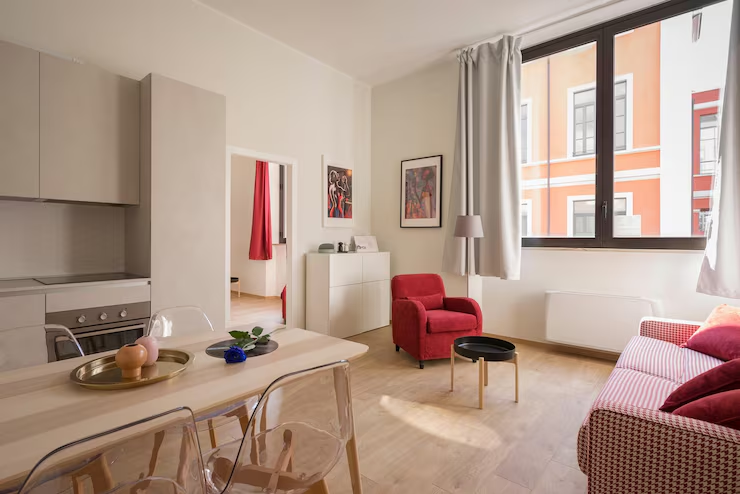
Limited space doesn’t mean limited personality. Small spaces often showcase personal style better because every item has to earn its place and serve multiple purposes.
- Vertical space is your best friend in small homes. Use walls for more than just hanging pictures. Install floating shelves for displaying meaningful objects, create vertical gardens, or use wall-mounted storage that looks decorative.
- Multi-functional pieces solve space problems while showing your style. A vintage trunk works as both a coffee table and storage. A bookshelf can divide spaces while displaying your personality through books and objects.
- Mirrors make small spaces feel bigger while reflecting your style. Choose frames that match your taste: ornate vintage for traditional looks, sleek metal for modern vibes, or colorful painted frames for eclectic personalities.
Ethnic Home Decor Ideas and Cultural Expression
Your cultural background and heritage can be a rich source of unique home decor inspiration. Incorporating elements from your cultural background or cultures you admire and have experience with adds depth and meaning to your space.
Traditional textiles make beautiful wall hangings, throw pillows, or table runners. Vintage or antique pieces from your family’s heritage can become focal points in modern settings. Cultural art, pottery, or handcrafted items tell stories and start conversations.
The key is incorporating these elements thoughtfully rather than creating a museum display. Mix cultural pieces with modern elements to create spaces that feel lived-in and authentic rather than like themed rooms.
Sustainable and Conscious Decorating
Environmental awareness increasingly influences how people personalize their spaces. Supporting local artisans, buying vintage pieces, and upcycling existing items creates truly unique decor while being responsible.
- Vintage and antique pieces provide unique personalization while supporting sustainability. These items often have better quality than new alternatives and come with interesting histories that add character to your space.
- Local artisan support creates one-of-a-kind decor while supporting your community. Commissioned pieces from local artists, handmade pottery, or custom textiles ensure your space has items nobody else has.
- Upcycling projects turn discarded items into personalized treasures. Old windows become picture frames, vintage suitcases transform into storage, and worn-out clothing can become pillow covers or wall art.
Getting Started: Your Action Plan
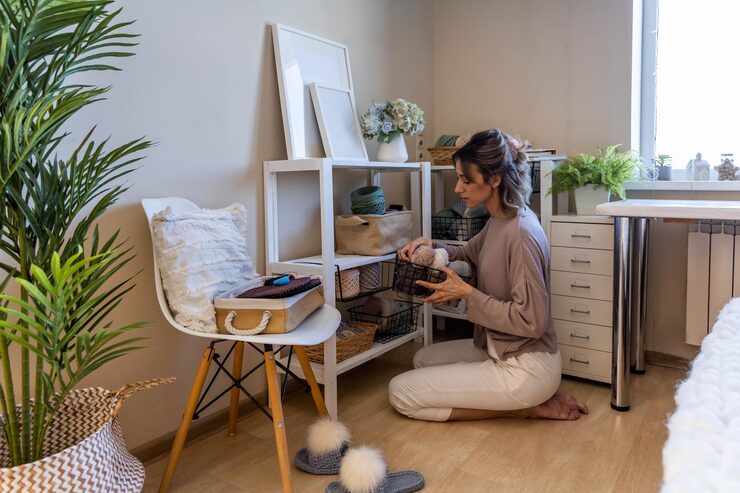
Successful personalization happens gradually. Rushing usually leads to impulse purchases that don’t really fit your style or needs.
- Months 1-2 (Planning Phase): Document what you currently have and identify what actually makes you happy versus what’s just taking up space. Create inspiration collections, but focus on feelings and moods rather than copying specific looks.
- Months 3-4 (Foundation Building): Invest in key anchor pieces, maybe a statement rug, quality lighting, or artwork that speaks to you. These foundational elements will guide future decisions and tie everything together.
- Months 5-6 (Personal Touches): Add personality through accessories, textiles, and smaller decorative objects. This is when DIY home decor ideas really shine; experiment with projects, rearrange existing pieces, and fine-tune the overall feel.
- Ongoing (Evolution): Personal style changes, and your space should too. Schedule regular reviews to assess what’s working and what isn’t. Replace items that no longer serve you and gradually add new elements that reflect your growth.
How to Make It Happen?
The personalized home decor trend reflects people’s desire for authentic spaces that support their real lives. Your space should tell your story, support your daily routines, and evolve as you grow.
The most beautiful homes aren’t necessarily the most expensive or perfectly coordinated ones. They’re spaces that feel authentic, support daily life, and reflect the people who live there. Start small, think personal, and trust your instincts.
Whether you’re working with a tiny apartment or a large house, a limited budget or plenty to spend, the principles stay the same: choose items that resonate with who you are, invest in quality pieces that will last, and never underestimate how personal touches can transform any space into a real home.
Leave a Reply