
According to Zillow’s 2024 paint color analysis, buyers pay on average $2,512 more when a house has a kitchen painted in the moody gray hue. This statistic shows that choosing the right paint colors for your home isn’t just about making your space look good; it’s about adding real money to your property value.
Research shows that in the first 20 seconds of visual senses capturing information, color takes up about 80% of what people notice. This means your house paint colors are literally the first thing people see and judge your home by. Whether you’re planning to sell soon or just want to enjoy your space more, getting your colors right is super important.
Understanding Color Psychology for Better Living
Color psychology affects how you feel every single day in your home. Studies prove that warm colors like red and yellow make people feel energetic and excited, while cool colors like blue and green help you relax and feel calm. This isn’t just design talk; there’s real science behind it.
The psychological impact of wall paint color ideas goes way deeper than most homeowners think. Light colors make rooms feel bigger and more open, while dark colors can make spaces feel smaller but cozier. When you’re picking colors, you’re basically choosing how you want to feel in that room every day.
How Different Colors Affect Your Mood
Here’s what research tells us about how to choose paint colors based on their psychological effects:
Warm Colors (Reds, Oranges, Yellows):
- Make you feel more energetic and active
- Create a cozy, intimate feeling
- Red actually makes people hungrier—that’s why it works great in dining rooms.
- Can make your heart beat faster (not kidding!)
Cool Colors (Blues, Greens, Purples):
- Help you relax and feel peaceful
- Make rooms look bigger than they actually are
- Blue helps you sleep better and reduces stress.
- Green connects you with nature and makes you feel balanced.
Neutral Colors (Whites, Grays, Beiges):
- Never go out of style
- Let your furniture and art stand out.
- Easy to redecorate around
- Most buyers like them.
How to Boost Home Value with Smart Color Choices
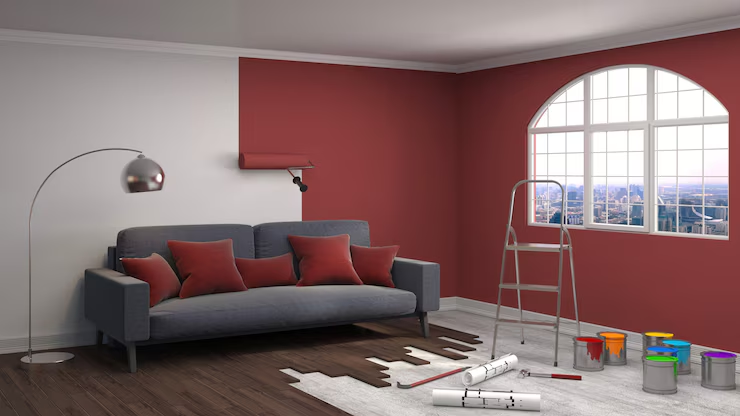
Your house colors can add thousands of dollars to your home’s value. According to research, choosing the right color to paint your walls can impact your bottom line as much as $5,000. That makes painting one of the cheapest ways to increase your home’s worth.
Real estate data shows some clear winners when it comes to home color combination choices. Painting your front door black may increase home value by up to $6,500. But it’s not just the front door; every room matters for your home’s overall appeal.
Colors That Add Money vs. Colors That Cost You
High-Value Paint Colors:
- Moody gray in kitchens and living rooms
- Soft neutrals throughout the whole house
- Black front doors for maximum curb appeal
- Sage green for bedrooms and bathrooms
Colors That Turn Buyers Away: 59 percent of interior designers and home stagers said that red turns away buyers. Other colors to avoid include:
- Bright yellows (too overwhelming)
- Bold purples (too personal)
- Orange accent walls (hard to match)
- Dark colors in main living areas
The trick is remembering that while you might love that bright pink bedroom, potential buyers probably won’t. Today’s buyers want homes that feel fresh, modern, and relaxing.
Room-by-Room Color Guide
Different rooms need different colors because they serve different purposes. Here’s how to pick the best paint for your home in each space.
Living Room Colors That Work
Your living room is where families hang out and guests visit. Using moody gray in the living room can increase home offers by $1,755 more, according to recent real estate data.
Best Living Room Options:
- Warm grays for a modern look
- Soft blues for relaxation
- Cream and off-white for timeless style
- Light greens for a natural feel
Living Room Tips:
- Use lighter colors to make the space feel bigger
- Try darker accent walls behind TVs or fireplaces
- Think about how much natural light the room gets
- Test colors at different times of day
Kitchen Color Strategies
Kitchens are super important for home value. Buyers pay an average of $2,512 more when a house has a kitchen painted in moody gray. This makes kitchen color choice really important for both daily use and resale value.
Kitchen Color Guidelines:
- Light colors make small kitchens look bigger
- Warm whites create a clean, fresh look
- Soft grays add modern style
- Light blues work great with white cabinets
Don’t forget about popular kitchen cabinet colors when planning your wall colors. White cabinets are still the most popular choice, followed by gray and natural wood tones.
Bedroom Paint Ideas
Bedrooms should help you sleep and relax. The best bedroom colors are ones that make you feel calm and peaceful. Research shows that lighter shades create the visual illusion of more space.
Top Bedroom Color Choices:
- Soft blues for better sleep
- Gentle greens for natural calm
- Warm grays for sophisticated comfort
- Light lavender for stress relief
Bedroom Color Tips:
- Avoid bright, energetic colors that might keep you awake
- Consider blackout curtains if you choose lighter colors
- Test colors in both morning and evening light
- Remember that you’ll see these colors first thing when you wake up
Exterior Paint Colors That Make a Difference

Exterior paint colors are just as important as interior ones. Your home’s outside appearance creates the first impression for neighbors, guests, and potential buyers. According to real estate experts, the right exterior color can add up to 7% to your home’s value.
Popular Exterior Color Combinations:
- White with black trim: classic and timeless
- Gray with white trim: modern and sophisticated
- Navy blue with white trim: bold but appealing
- Beige with cream trim: warm and welcoming
Exterior Color Mistakes to Avoid:
- Colors that clash with your roof
- Bright colors that fade quickly
- Colors that don’t match your neighborhood style
- Using too many different colors
Practical Tips for Choosing Paint Colors
When you’re ready to pick your paint colors for home, don’t just grab colors based on tiny paint chips. Here’s how professionals do it:
Testing Colors the Right Way
Steps for Testing Paint:
- Buy sample sizes and paint big squares (at least 2×2 feet).
- Paint samples on different walls to see how light changes them
- Look at colors in the morning, afternoon, and evening
- Live with the samples for at least a week
Understanding Undertones
Every paint color has undertones, hidden colors that show up in different lighting. This is super important when figuring out how to choose paint colors that look good together.
Common Undertones:
- Warm undertones: red, yellow, and orange hints
- Cool undertones: blue, green, and purple hints
Coordinating Colors Throughout Your Home:
- Pick one main neutral for most rooms
- Use different shades of the same color family
- Keep trim colors consistent
- Add personality with colorful accessories, not walls.
Making Your Final Decision

After thinking about psychology, home value, and room function, it’s time to choose your final house paint colors. The US house painting market was valued at $24.4 billion in 2024, showing just how much Americans spend on getting their colors right.
Your perfect paint colors should:
- Match your personal style but appeal to most people
- Work with your home’s style and existing features
- Create the right mood for each room
- Consider whether you plan to sell soon.
Final Tips:
- Don’t rush the decision: good paint jobs last 5-10 years.
- Consider hiring a color consultant for expensive homes.
- Remember that paint is one of the cheapest ways to update your home.
- When in doubt, go with neutrals: you can always add color with decor.
The right wall paint color ideas can completely change how your home looks and feels. Take time to research, test your choices, and don’t be afraid to ask for help. Your walls are waiting for the perfect colors to make your house feel like home.
Want more home improvement tips? Check out our other guides on interior design trends for professional advice and inspiration.
Leave a Reply