The interior design business is doing really well in the Gen Z era. It was worth $180.73 billion in 2023, and experts think it’ll hit $317.87 billion by 2030. That’s huge growth! But why is everyone suddenly caring about home decor so much?
People are just tired of boring, cookie-cutter houses. They want living room decor ideas that look amazing but don’t cost a fortune. And honestly, who doesn’t want that?
From smart storage to modern living room decor ideas, people are now more interested in home design trends than ever before. Even small changes like wall paint colors or sofa choices can make a big difference in how your home feels.
This article will explore interior design trends you’ll love, whether you live in a flat, villa, or a small studio. If you’re looking for budget home makeover ideas or want to know what’s new in the world of interior design, you’re in the right place.
Why Sustainable Materials in Interior Design Are Here to Stay
The biggest change in modern home decor is that everyone wants eco-friendly stuff. This isn’t just some trend that’ll disappear next year – it’s becoming the normal way to do things when you’re planning a living room transformation.
People want materials that look good AND don’t hurt the planet. Makes sense, right?
Top Picks for Eco-Friendly Home Decor in 2025
- Bamboo flooring is gaining popularity because it regrows in just 3-5 years, compared to 20-30 years for regular wood. It’s perfect for affordable room decor because it costs way less than hardwood but lasts just as long.
- Cork is making a comeback, too. It naturally fights germs and fire, plus it’s great for keeping your house warm or cool.
- Hemp textiles are replacing those synthetic fabrics in curtains and furniture covers, which is awesome news if you have allergies.
Recycled Materials Create Unique Home Decor Pieces
People are turning old barn wood into dining tables and accent walls. Recycled glass becomes light fixtures and pretty decorative stuff. Each piece has a character that brand new materials just can’t match.
Reclaimed wood isn’t just trendy – it’s actually better quality than new lumber lots of times. The grain patterns are way more interesting, and it’s already proven it can last for decades.
How Smart Home Design Is Changing the Way We Live
Smart home technology is finally becoming easy to use. Instead of complicated systems that need an engineering degree to figure out, new tech is designed to just work without you having to think about it.
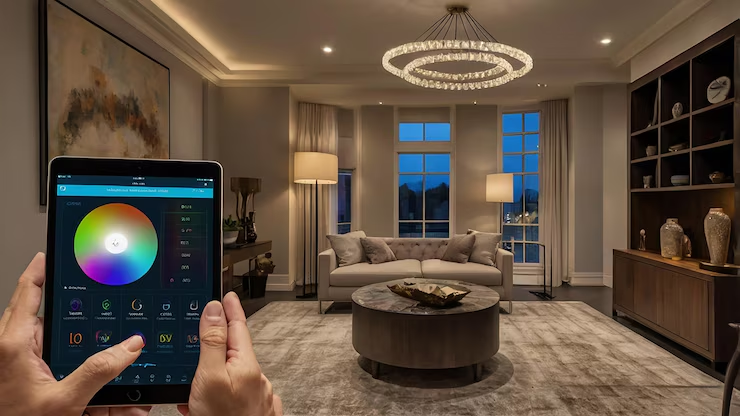
Modern smart homes learn what you do. Your lights dim by themselves when you start watching TV. The temperature changes when you’re driving home. This tech is changing how we think about living room layout and how to arrange furniture.
Must-Have Smart Gadgets for Modern Homes
Air quality monitors are becoming standard in homes now. These systems track bad stuff in the air and humidity, then automatically fix the ventilation. Some even connect to your health apps to make the air quality perfect for your specific needs.
Smart glass windows can tint themselves based on sunlight, reducing glare and heat while keeping natural light. This is really helpful in home offices where screen glare is always a problem.
Bringing Nature Inside Your Home
The connection between humans and nature is driving one of the strongest interior design trends. The demand for residential interior design services is expected to grow from USD 145.01 billion in 2025 to USD 186.22 billion by 2030, showing a CAGR of 5.13%. The growth is mostly because people want comfortable, functional spaces that feel natural.
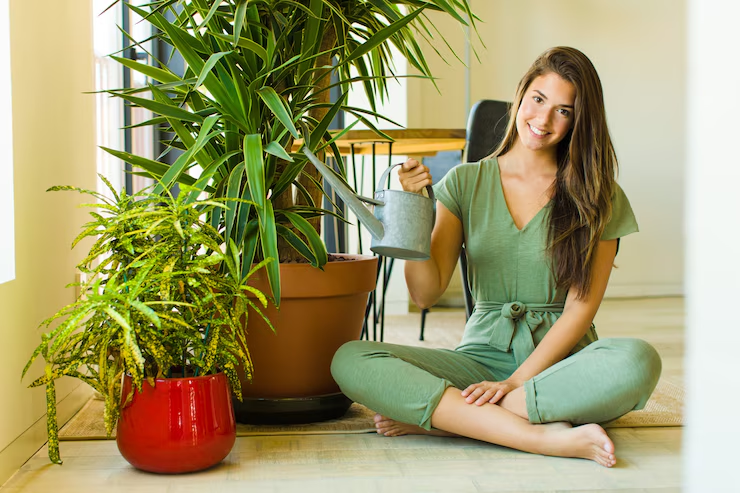
Biophilic design is more than just adding some plants. It’s about creating environments that actually feel like nature. Living walls are becoming part of the architecture, not just decorations.
Tricks to Maximize Natural Light in Small Rooms
Using mirrors and shiny surfaces to get more natural light is a key interior design tip. Skylights are being added to weird spaces like closets and bathrooms. Light tubes bring natural light to rooms that don’t have windows.
Circadian lighting systems change color temperature all day long. Cool blue light in the morning switches to warm amber tones at night, which helps with sleep patterns.
Calm Space with Indoor Plants and Green Decor
Kitchen herb gardens are turning into hydroponic systems built right into cabinets. Living room plant walls work as air purifiers. Bathroom plants love humidity-controlled environments.
This trend goes to furniture choices too. Live-edge wood tables and stone countertops create real connections to nature in your cozy living spaces.
The Balance Between Minimalist and Maximalist Decor
The future of modern home decor is finding balance between having too much stuff and having too little. It’s not about picking sides – it’s about being smart with your choices.
This approach means having less items overall, but each piece makes a statement. A minimalist room might have one dramatic piece of art or a stunning light fixture that becomes the main focus.
How to Style Personalized Home Decor Collections
Instead of filling shelves with random stuff, people are creating displays on purpose. Travel souvenirs tell stories. Book collections show what you’re interested in. Each item has purpose and meaning.
Color palettes are getting more sophisticated. Neutral bases get accented with bold, personal choices. A white and beige room might have a single emerald green velvet sofa or vibrant artwork.
Smart Furniture Ideas for Flexible Room Layouts
Furniture that does multiple things is essential. Ottoman storage units, expandable dining tables, and modular seating adapt to different needs. The goal is maximum impact with minimum clutter in your living room layout.
How to Use Color Psychology in Home Design for Wellness
Total energy use and CO2 from buildings went above pre-pandemic levels globally, with emissions hitting an all-time high of around 10 billion tons of CO2. This environmental concern is driving color choices that help both wellness and energy efficiency.
Color psychology is becoming more scientific in interior design. Cool blues and greens reduce stress and help you focus, making them perfect for home offices. Warm earth tones create welcoming environments in living spaces.
Cool Ways to Add Mood-Boosting Features to Your Home
Paint companies are developing new formulas that respond to environmental conditions. Some paints change slightly with temperature or humidity. Others have natural minerals that help clean the air.
Different textures in the same color family creates visual interest without overwhelming your senses. Matte and glossy finishes of the same shade can define different areas in open floor plans.
The Beginner’s Guide to DIY Home Styling
DIY home styling is becoming way more accessible thanks to better tools and online resources. People are learning to avoid common home styling mistakes through video tutorials and step-by-step guides.
The key to successful DIY home styling is starting small. Pick one wall to paint or one corner to reorganize. Master the basics before taking on bigger projects.
Common Interior Design Mistakes to Avoid
One of the biggest home styling mistakes is not measuring spaces before buying furniture. Another is choosing paint colors without testing them in different lighting conditions.
Poor furniture arrangement can make even the most expensive pieces look cheap. The rule of thumb is to create conversation areas and make sure traffic flow isn’t blocked.
Affordable Room Decor That Doesn’t Look Cheap
Affordable room decor doesn’t mean cheap-looking. It means being smart about where you spend money and where you can save.
The 80/20 rule works well here. Spend 80% of your budget on key pieces like sofas and dining tables. Use the remaining 20% for accessories and decorative items.
Budget Home Decor Tips That Actually Work
Thrift stores and estate sales are goldmines for unique pieces. A $20 side table can look like a $200 piece with the right styling around it.
Living room decor ideas on a budget include rearranging existing furniture, adding plants, and changing out throw pillows and curtains. These small changes can create a completely different feel.
Growth in the Interior Design Industry

The Interior Design Services Market size is expected to reach $145.01 billion in 2025 and grow at 5.13% to reach $186.22 billion by 2030. This growth is driven by homeowners increasingly willing to invest in quality, sustainable design.
Professional interior designers are reporting higher demand for consultation services. The complexity of modern design choices makes professional help more valuable than ever.
How to Make Interior Trends Work for Your Own Home
The interior design trends we’re seeing aren’t just about style – they’re about creating homes that support health, respect the environment, and adapt to changing needs. From sustainable materials to smart technology, these trends offer practical solutions for modern living.
Whether you’re planning a complete living room transformation or just updating a single room, these trends offer tons of ways to create spaces that are beautiful, functional, and responsible. Your home can reflect who you are while also being a force for positive change.The future of interiors is here, and it’s more exciting than ever. Start with one small change and build from there. Your perfect cozy living space is waiting for you.
Leave a Reply