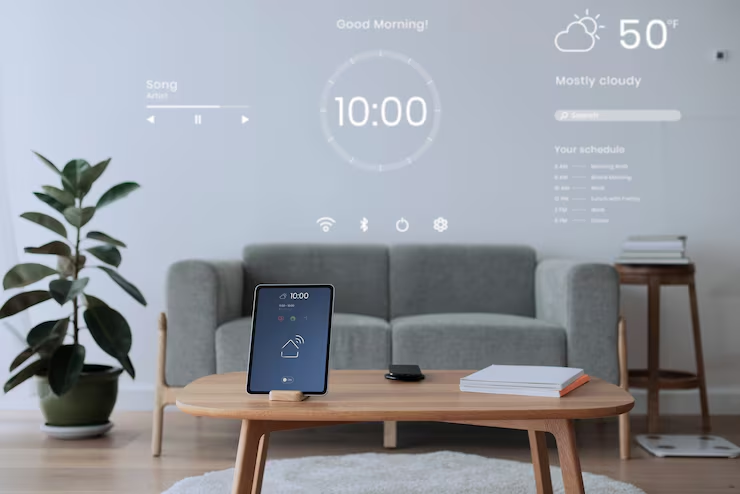
The global smart home market was valued at $127.80 billion in 2024, and experts predict it’ll reach $162.78 billion by 2025. That’s a massive jump, showing how Americans are getting serious about home automation. But here’s the thing – you don’t need to spend thousands to get started with smart home hacks.
About 69.91 million US households are already using smart devices, and that number keeps growing. The DIY smart home trend is taking off because people realize they can build their own tech setup without hiring expensive installers or buying premium systems.
Voice-controlled devices and IoT devices for the home are becoming cheaper and easier to install. Revenue in the smart home market is projected to reach US$174.0bn in 2025, with an annual growth rate of 9.55%. This means more options and better prices for homeowners who want to upgrade their spaces.
What Makes a Home “Smart” in 2025?
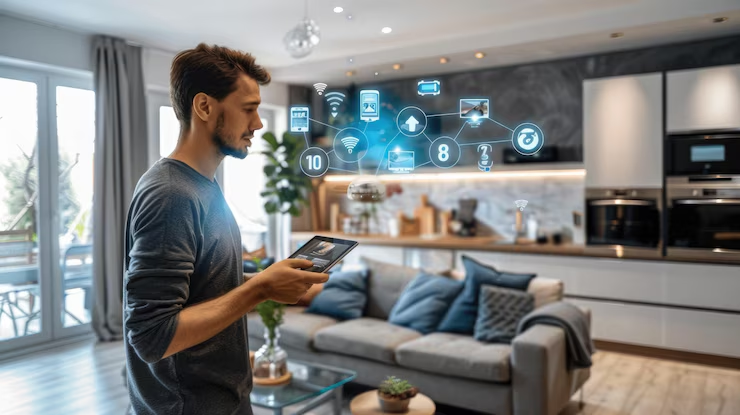
A smart home isn’t just about having gadgets everywhere. It’s about creating a system where your devices talk to each other and make life easier. Think of it like having a helpful assistant that never sleeps and always remembers your preferences.
The best smart gadgets of 2025 include devices that actually solve problems. We’re talking about lights that turn on when you walk in, thermostats that adjust temperature based on your schedule, and security cameras that send alerts to your phone. These aren’t luxury items anymore; they’re practical tools.
Modern IoT devices for the home work together in what experts call an ecosystem. Your smart doorbell can trigger your voice-activated lights to turn on when someone approaches. Your smart thermostat can work with your security system to save energy when nobody’s home.
The key difference between a real smart home and just having random gadgets is integration. Everything should work together smoothly, not require separate apps for every single device.
Essential Smart Home Devices for Beginners

Starting your budget smart home journey doesn’t mean buying everything at once. The smart approach is to pick devices that fix your biggest daily annoyances first.
Smart Thermostats
A smart thermostat is usually the first device experts recommend because it pays for itself through energy savings. These devices learn when you’re home, adjust temperatures automatically, and can be controlled from anywhere. Most homeowners save 10-15% on heating and cooling costs.
Popular options include the Nest Learning Thermostat ($249) and Ecobee SmartThermostat ($199). Both work with major voice-controlled devices and give you detailed reports about your energy usage.
Smart Plugs
Smart plug uses are endless, and they’re perfect for beginners. For $10-15 each, you can make any regular device “smart.” Plug your coffee maker, lamps, fans, or space heaters into these devices to control them with your phone or voice commands.
You can set schedules so your coffee starts brewing before you wake up, or turn off all electronics when you leave for work. Smart plugs are probably the easiest way to dip your toes into home automation.
Voice-Activated Lights
Voice-activated lights have come a long way from basic on/off switches. Modern smart bulbs can dim, change colors, and work with schedules. You can create scenes like “Movie Night” that dims all lights to 20% or “Good Morning” that gradually brightens your bedroom.
Brands like Philips Hue are premium options, while Wyze and Sengled offer budget smart home alternatives starting around $10 per bulb. The real magic happens when you connect them to voice-controlled devices like Alexa or Google Assistant.
DIY Smart Home Setup: Room-by-Room Guide
Building a DIY smart home works best when you tackle one room at a time. This approach lets you learn what works for your lifestyle before expanding to other areas.
Living Room
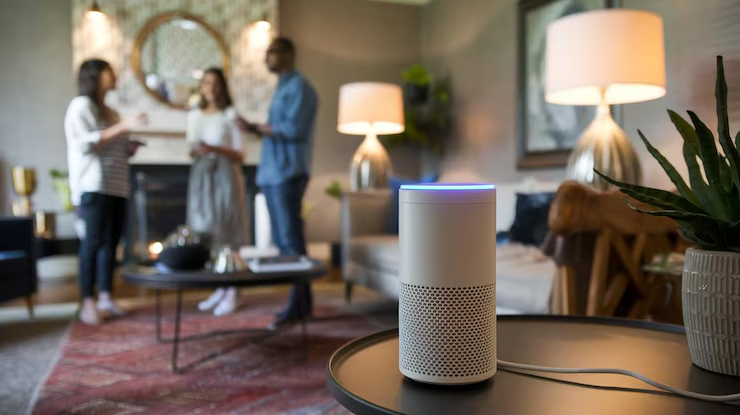
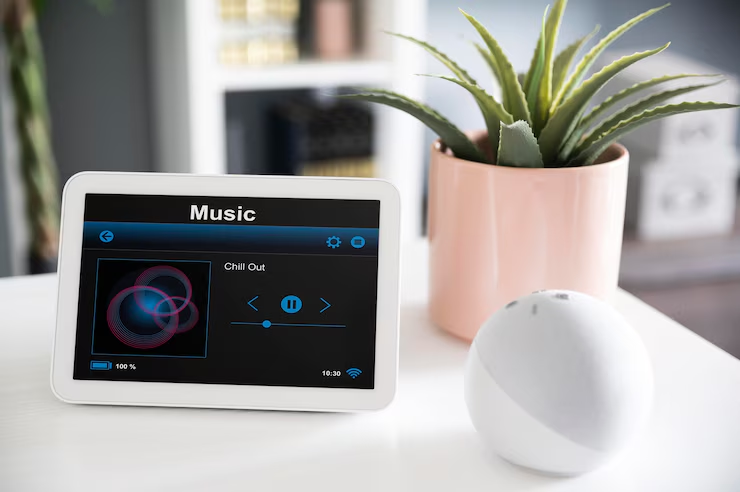
Start with your living room since this is where most families spend their time. A smart TV or streaming device creates the foundation. Add voice-controlled devices like Amazon Echo or Google Nest for music and device control.
You can control table lamps, fans, and entertainment systems without getting up from the couch. Set schedules so everything turns off automatically at bedtime.
Kitchen
Your kitchen offers tons of automation opportunities. Smart appliances like programmable coffee makers, slow cookers, or air fryers that connect to your phone make daily routines easier.
A smart smoke detector like Nest Protect ($119) doesn’t just beep: it sends alerts to your phone and can tell the difference between smoke and steam from cooking.
Smart plug uses in kitchens include controlling small appliances on schedules. Your coffee maker can start brewing when your alarm goes off, or your slow cooker can begin cooking a few hours before you get home from work.
Bedroom
Transform your bedroom into a smart sanctuary focused on better sleep and easier mornings. Voice-activated lights can gradually brighten to wake you up naturally, while smart blinds can open and close automatically.
A sunrise alarm clock simulates natural daylight to help you wake up more gently. Pair this with voice-controlled devices that can start your morning playlist or give you the weather forecast while you’re getting ready.
Cost-Effective Smart Home Hacks
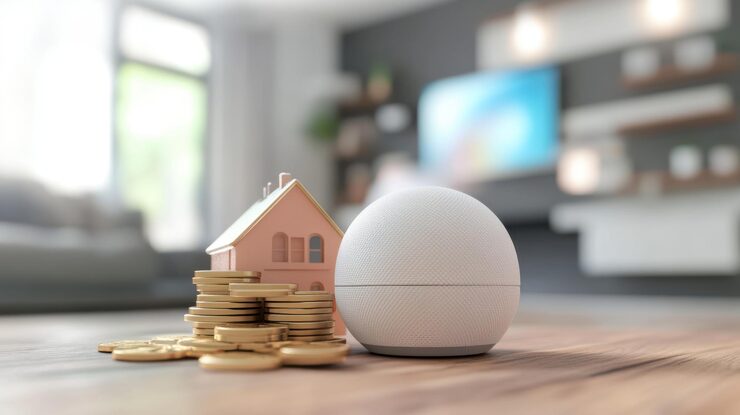
Building a budget-smart home doesn’t require huge upfront costs. If you want to convert your whole home, expect to spend around $2,000-$5,000 on average. But DIY smart home setups can start with just $50 for basic devices.
Affordable Starting Points
Begin with these budget-smart home devices that give immediate value:
- Smart plugs ($10-15): Make any device controllable instantly
- Smart bulbs ($8-25): Easy lighting automation without electrical work
- Motion sensors ($15-30): Automatically trigger lights or send alerts
- Smart speakers ($25-50): Voice control hub for your growing system
Strategic Device Selection
Instead of buying the most expensive options, focus on devices that solve your biggest daily problems. If you always forget to turn off lights, prioritize smart switches. If home security worries you, start with a video doorbell.
Many smart home hacks enthusiasts use the “rule of three” – when you do the same manual task three times daily, that’s perfect for automation.
Platform Compatibility Tips
Choose devices that work with major platforms like Amazon Alexa, Google Assistant, or Apple HomeKit. This ensures your IoT devices for the home can communicate and gives you flexibility to expand later.
Avoid devices that only work with their own apps unless they offer unique features. The goal is building an integrated system, not collecting isolated gadgets.
Common Smart Home Mistakes to Avoid
Even tech-savvy homeowners make mistakes when starting their DIY smart home journey. Learning from these common problems can save you time, money, and frustration.
Over-Automating Too Fast
The biggest mistake is trying to automate everything at once. Gen Xers have the highest ownership of smart devices (90% own at least one), but successful smart homes are built slowly.
Start with one or two devices that solve real problems. Master these before adding complexity. A home where every light switch needs an app isn’t necessarily better than a home with regular switches.
Ignoring Wi-Fi Network Needs
Your smart home is only as good as your internet connection. Many homeowners install multiple IoT devices in their home without upgrading their Wi-Fi, leading to connection issues and device failures.
Consider investing in a mesh Wi-Fi system if you have a large house or dead zones. Systems like Eero, Nest Wifi, or Orbi create strong coverage throughout your home.
Forgetting About Security
Smart home security isn’t just cameras and alarms; it’s also protecting your devices from hackers. Change default passwords on all devices, keep software updated, and use strong passwords for your accounts.
Create a separate network for smart devices if your router supports it. This keeps your voice-controlled devices separate from computers and phones with personal information.
Maximizing Your Smart Home Investment
Installing smart devices can increase your home’s resale value by 5%, according to The CE Shop. But the real value comes from daily convenience and long-term savings.
Energy Savings and Efficiency
Smart homes reduce energy waste through automated systems and monitoring. Smart thermostats typically save 10-15% on heating and cooling costs, while smart lighting eliminates lights left on accidentally.
Create schedules that match your actual usage instead of leaving devices running 24/7. Your smart water heater doesn’t need to maintain temperature when everyone’s at work.
Integration and Growth Strategy
Plan your expansion thoughtfully. Choose one primary platform (Alexa, Google, or Apple) and focus on devices that work well with your chosen system.
Keep track of your setup as you build it. Document device passwords, network settings, and automation rules. This makes troubleshooting easier and helps if you need to reset devices.
The Future of Budget Smart Homes

The smart home industry keeps evolving with new tech and lower prices, making automation accessible to more people. By 2025, there will be over 25 billion IoT connections worldwide.
Artificial intelligence is getting smarter, allowing homes to predict your needs instead of just responding to commands. Your home might automatically adjust the temperature before you arrive or start coffee when your alarm goes off.
The key to success with home automation isn’t having the latest gadgets; it’s creating a system that actually improves your daily life. Start small, focus on solving real problems, and expand gradually as you learn what works.
Whether you’re beginning with a single smart bulb or planning whole-house automation, the most important step is getting started. Your tech-friendly space is waiting to make life more convenient, secure, and efficient.