Tag: editor choice

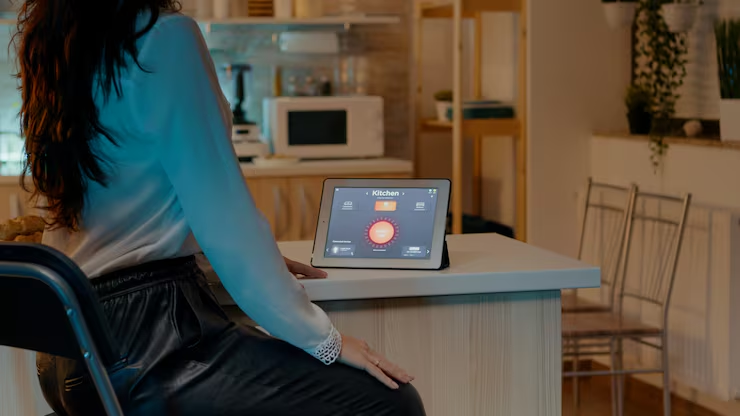
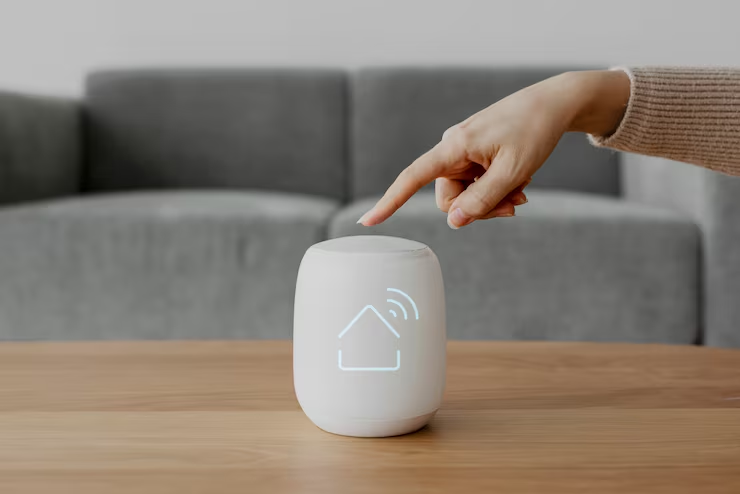
  • Smart Plug Scheduling Made Easy: Automate Your Home in Minutes

    Smart Plug Scheduling Made Easy: Automate Your Home in Minutes

    Your electricity bill just jumped 15% this summer, and you’re probably wondering where all that extra money went. Here’s a shocking fact: regular electricity can cost you more if you are not aware of Smart Plug scheduling.

    The smart plug market is expanding. Millions of Americans are finding out that smart plug scheduling can cut their energy costs by 20-30% without really changing their lifestyle.

    Smart homes use way less energy than regular homes, and it all starts with one simple device that costs less than a pizza. This is the time to become advanced with better savings. Smart home automation is the easiest way to get into this stuff, and here’s exactly how you can do it.

    What is Smart Plug Scheduling, and Why Do You Need It?

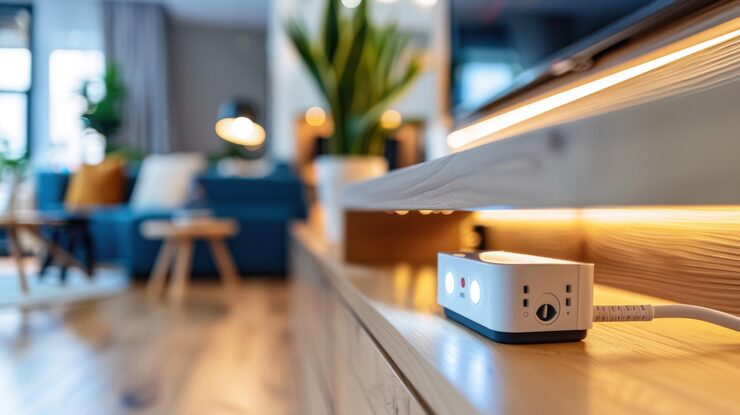
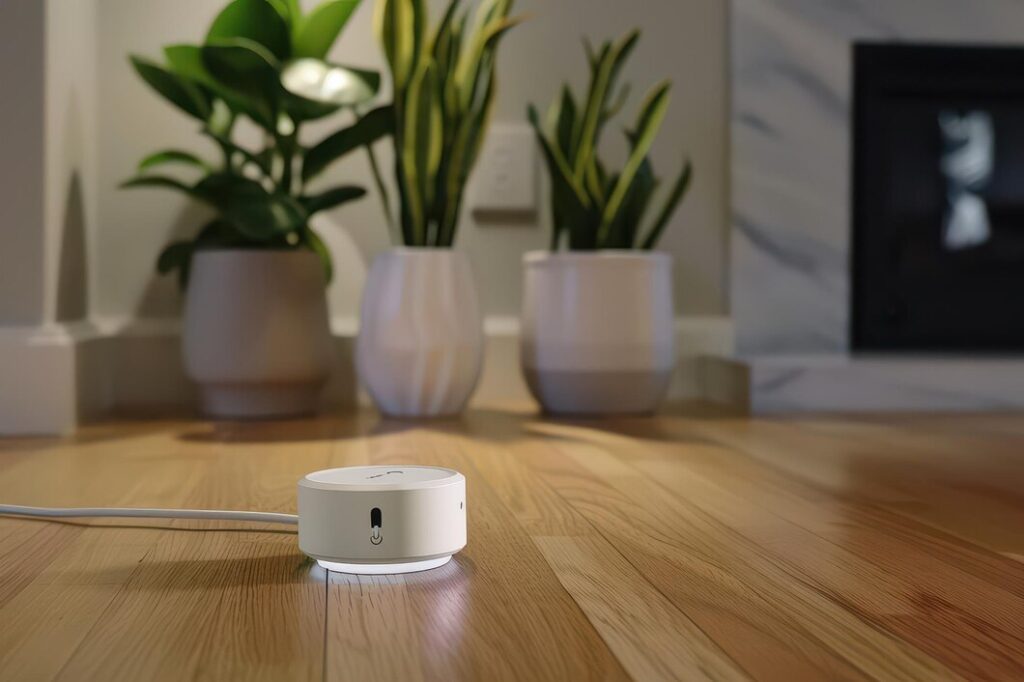
    Smart plug scheduling just means you can control when your devices turn on and off automatically. No more forgetting to turn off that space heater or wondering if you left the coffee maker on all day. A Wi-Fi smart plug connects to your home internet and follows schedules you set up in an app on your phone.

    The best part? A smart plug only uses 1-2 watts of power itself, so it pays for itself super fast. Think of it as giving your dumb appliances a brain that remembers to turn them off when you forget.

    Smart home automation doesn’t have to be complicated or expensive. You can start with just one plug and build from there. The tech works by connecting to your Wi-Fi and taking commands from your phone, even when you’re not home.

    The Hidden Energy Vampires Draining Your Wallet

    Here’s what’s really eating up your electricity bill. The average American home has around 40 devices plugged in all the time. A lot of this power is wasted even when you’re not using them. This “phantom power” costs you real money:

    • Gaming consoles: $150-200 per year just sitting there in standby mode.
    • Cable boxes: $100 a year if you leave them on 24/7.
    • Desktop computers: $175 per year if they never get turned off.
    • Old TVs and entertainment systems: $80-120 per year.
    • Phone chargers and small appliances: $50-100 per year combined.

    That adds up to $400-600 in wasted electricity every year for most families. A $15 smart plug can eliminate most of this waste automatically.

    How to Set Up Your First Smart Plug in 10 Minutes?
    Smart Plug Scheduling Made Easy: Automate Your Home in Minutes

    Getting started with smart plug automation is easier than setting up a new phone. Here’s the step-by-step process:

    • Step 1: Pick Your First Device
      Start simple. A coffee maker, a lamp, or your phone charging station are great first choices. Don’t try to hook up your big heaters or complex electronics until you get the hang of it.
    • Step 2: Choose Your Smart Plug Type
      This depends on what you already use at home.
      • A Google Smart Plug works best if you already use Google Home.
      • There are many smart plugs for Alexa if you have Amazon Echo devices.
      • Universal plugs work with multiple systems if you’re not sure.
    • Step 3: Download the App
      Most smart plug timer app setups take about 5 minutes. The app will walk you through connecting the plug to your home Wi-Fi. You’ll need your Wi-Fi password ready.
    • Step 4: Create Your First Schedule
      This is where you set up the smart plug. Instead of you remembering to turn things off, you just set rules for the plug to follow. For example:
      • “Turn off TV and all gaming stuff every night at midnight.”
      • “Start the coffee maker Monday-Friday at 6:30 AM.”
      • “Turn on living room lamps when the sun sets.”

    Advanced Features: Voice Control and Remote Access

    A voice control smart plug setup makes your new smart home system even easier to use. Once you connect it to Alexa or Google Home, you can just say things like

    • “Alexa, turn off the living room lamp.”
    • “Hey Google, turn on the coffee maker.”
    • “Alexa, turn off all the bedroom plugs.”

    Remote plug control means you can manage your home from literally anywhere with your phone. Did you forget to turn off a fan after leaving for work? No problem. Open the app and turn it off. Are you going to be late getting home? Turn on some lights from your car so you don’t walk into a dark house.

    Common Mistakes That Cost You Money

    A lot of people get excited and make a few simple mistakes that can be frustrating. Learning from them now will save you time and make sure your smart home automation actually works for you. Avoid these common slip-ups.

    • Don’t Over-Automate Right Away. The biggest mistake people make is buying a dozen plugs and trying to make everything smart at once. Start with one or two devices you always forget to turn off. Add more plugs slowly as you get used to it.
    • Check Device Compatibility. Some things just don’t work well with a Wi-Fi smart plug. Anything with a mechanical on/off switch or complex safety features might not turn back on right after the plug gives it power.
    • Update Your Schedules. Your routine changes. Your work schedule changes, and seasons change. Look at your plug schedules every few months to make sure they still make sense for you.
    • Don’t Forget Manual Control. Make sure you can still turn your stuff on and off by hand if you need to. The best systems help you; they don’t trap you.

    Popular Smart Plug Options

    There are a ton of brands out there, but you don’t need to get lost in reviews. Most people just need a reliable plug that works with the system they already have, like Alexa or Google. Here are the most popular choices that just work.

    • Amazon Smart Plug: Works perfectly with Alexa devices and usually costs around $25. The setup is done right inside the Alexa app and takes minutes. This is one of the most popular smart plugs for Alexa.
    • TP-Link Kasa Plugs: These are great because they work with Alexa, Google Home, and their own app. They often have energy monitoring features and cost between $10 and $20 each.
    • Google Nest Plugs: If you’re building a Google-based home, a Google smart plug is the best fit. They integrate perfectly but are a bit more expensive, around $20-30.

    For the smart plug timer app setup, most of these brands are pretty similar. The key is to try and stick with one system (like all Google or all Alexa) so all your devices can talk to each other easily.

    Building Your Complete Smart Home System
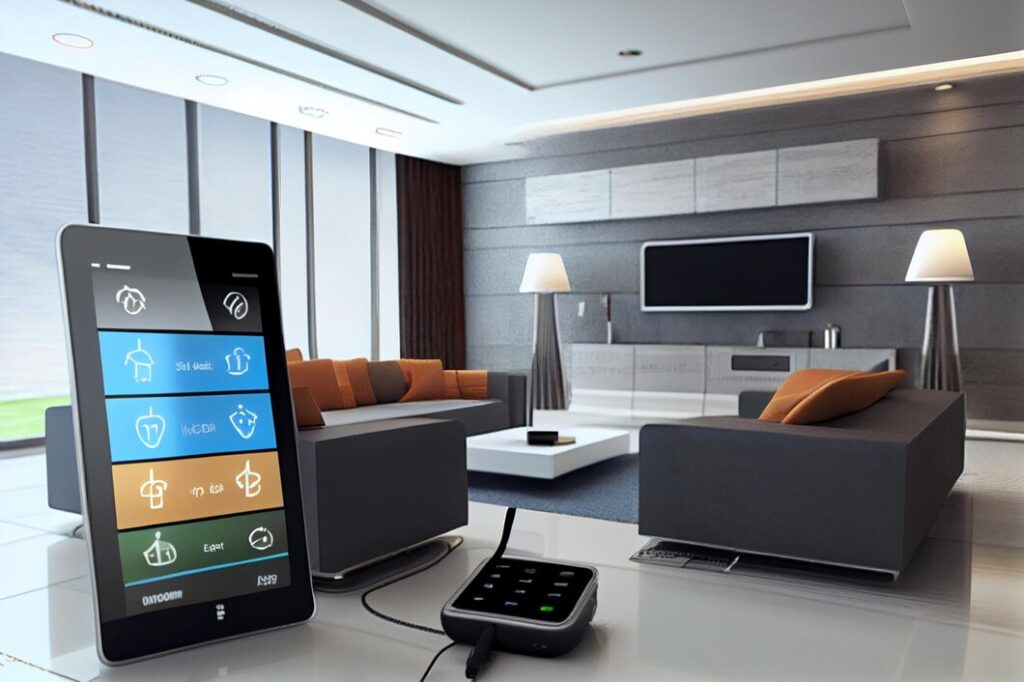
    Smart Plug Scheduling Made Easy: Automate Your Home in Minutes

    Smart plug automation is just the beginning. Once you see how easy it is and how much you save, you can expand your smart home system to include:

    • Smart thermostats can save 10-15% on heating and cooling
    • Smart light switches
    • Smart water heater controllers
    • Smart sprinklers for your lawn

    Each new device just adds to the savings and makes your home smarter and your life a little easier.

    The Bottom Line: Start Today, Save Tomorrow

    Over 83 million homes in North America had smart devices by 2028, and the smart plug is the most popular way to start. The technology isn’t complicated, the setup is not hard, and the savings start right away.

    The time to start is now. Every day you wait is another day that “phantom power” is draining money from your wallet. The initial cost is small, and the benefits just keep adding up over time.


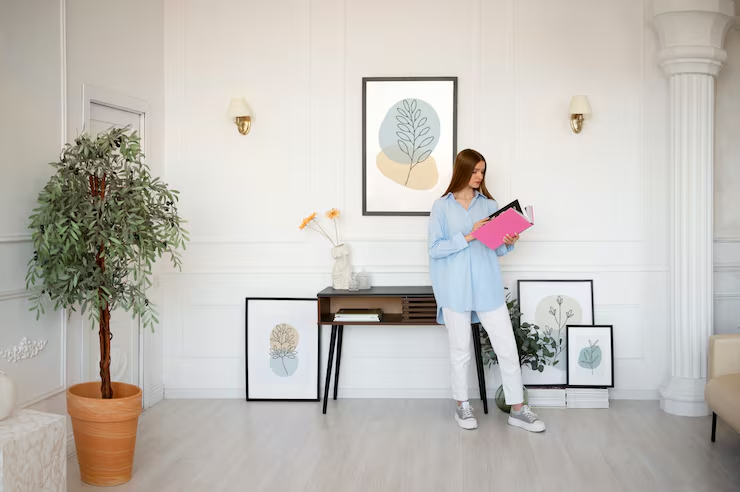
  • Personalized Decor: Make Your Space Truly Yours

    Personalized Decor: Make Your Space Truly Yours

    Americans are ditching cookie-cutter home designs faster than ever before. The personalized home decor market is booming, hitting $165.4 billion in 2024 and expected to reach $330.6 billion by 2034. That’s a massive 7.2% growth every year, showing just how much people want their homes to reflect who they really are.

    Why this sudden shift? People are tired of walking into spaces that look like hotel rooms or catalog pages. They want homes that tell their story, showcase their personality, and make them feel genuinely comfortable. With Americans now spending an average of $1,598 annually on home decorating, it’s clear that making spaces personal has become a priority.

    Why Personalized Home Decor Matters

    Your home should feel like YOU. When your space reflects your personality, something interesting happens: you feel more relaxed, more creative, and way more comfortable in your own skin.

    Millennials are leading this trend, spending about $1,771 per year on home decor – that’s 23% more than older generations. They’re not just buying stuff; they’re investing in spaces that support their mental health and express their values.

    Unique home decor isn’t about following the latest Pinterest trend. It’s about creating a space that works for your lifestyle, supports your daily routines, and makes you smile when you walk through the door. Whether you’re into minimalist vibes or maximalist energy, the key is making choices that feel authentic to you.

    Building Your Personal Style from Scratch

    Personalized Decor: Make Your Space Truly Yours

    Before you start buying anything, you need to figure out what actually makes you happy. This sounds simple, but most people skip this step and end up with rooms that look nice but don’t feel right.

    Start by thinking about spaces where you’ve felt really comfortable. Maybe it was a coffee shop with exposed brick walls, a friend’s comfortable living room, or even a hotel room that just felt perfect. What made those spaces work?

    Key things to think about:

    • Colors that make you feel good: Some people need bright, energizing colors, while others prefer calm, neutral tones.
    • Textures you love touching: Soft blankets, smooth wood, rough stone – what feels good to you?
    • How you actually live: Do you entertain a lot? Work from home? Have pets or kids?
    • Things that make you smile: Photos, books, collections, plants, artwork

    The best custom home decor tells your story. Maybe you’re a traveler who wants to display souvenirs, a reader who needs beautiful bookshelves, or someone who loves plants and wants to create an indoor jungle. Your space should support what you love doing.

    DIY Home Decor Ideas That Actually Work

    You don’t need to spend thousands to make your space feel personal. Some of the best DIY home decor projects cost under $50 and can be done in a weekend. Plus, when you make something yourself, it automatically becomes more meaningful.

    • Custom Wall Decor is probably the easiest place to start. Gallery walls are still popular because they work. Mix family photos with art prints, postcards from trips, and maybe some pieces you’ve created yourself. The trick is to lay everything out on the floor first, then transfer it to the wall.
    • DIY wall decor can be as simple as framing fabric samples in different sizes, creating a photo collage, or even hanging plants in interesting containers. One popular trend is creating a “memory wall” with ticket stubs, photos, and small mementos from important events.

    Textile projects give you the biggest visual impact for your effort. You can:

    • Dye plain curtains or pillow covers in colors you love
    • Add embroidery or patches to existing pillows
    • Create custom throw blankets by sewing different fabrics together
    • Make wall hangings using rope, yarn, or fabric strips

    Furniture makeovers turn boring pieces into statement items. A plain dresser becomes interesting with new paint and hardware. Old chairs get new life with different fabric on the seats. Even something as simple as adding decorative contact paper to the inside of bookshelves can make a huge difference.

    Smart Ways to Use Technology

    Personalized Decor: Make Your Space Truly Yours

    Home decor trends for 2025 include lots of tech integration, but it doesn’t have to be complicated or expensive. Smart home devices are getting more affordable and easier to use, making personalization more accessible.

    Smart lighting systems let you change the mood of any room instantly. You can program different lighting scenes for morning coffee, work time, or evening relaxation. Some systems even change automatically based on the time of day or weather outside.

    Digital picture frames have gotten really good lately. Instead of choosing just one photo for a spot, you can rotate through hundreds of your favorites. This is perfect for people who take lots of photos but never know which ones to display.

    Voice-controlled devices can now manage more than just music. You can control blinds, adjust plant watering systems, and even change room fragrances with simple voice commands. This makes your space more responsive to what you need throughout the day.

    Handmade Home Decor Items on Any Budget

    Creating personalized spaces doesn’t require unlimited money. With 62% of Gen Z preferring sustainable brands, many successful DIY home decor strategies also help the environment through reusing and upcycling.

    • Thrift store finds offer amazing opportunities for customization. Look for solid wood furniture, interesting shapes, or quality materials, then transform them to match your style. A $15 side table can look like a $150 piece with the right paint job and new handles.
    • Plant personalization is budget-friendly and keeps giving back. Different plants match different personalities: succulents for low-maintenance people, herbs for cooking enthusiasts, or flowering plants for those who love color. Make custom planters using materials that reflect your style.
    • Seasonal decorating keeps things fresh without constant spending. Store seasonal items and rotate them every few months. This gives your space regular updates while maximizing what you already own.
    • Community swaps with friends can introduce new elements without spending money. Organize decoration swap parties where everyone brings items they want to change out.

    Making Small Spaces Feel Personal

    Personalized Decor: Make Your Space Truly Yours

    Limited space doesn’t mean limited personality. Small spaces often showcase personal style better because every item has to earn its place and serve multiple purposes.

    • Vertical space is your best friend in small homes. Use walls for more than just hanging pictures. Install floating shelves for displaying meaningful objects, create vertical gardens, or use wall-mounted storage that looks decorative.
    • Multi-functional pieces solve space problems while showing your style. A vintage trunk works as both a coffee table and storage. A bookshelf can divide spaces while displaying your personality through books and objects.
    • Mirrors make small spaces feel bigger while reflecting your style. Choose frames that match your taste: ornate vintage for traditional looks, sleek metal for modern vibes, or colorful painted frames for eclectic personalities.

    Ethnic Home Decor Ideas and Cultural Expression

    Your cultural background and heritage can be a rich source of unique home decor inspiration. Incorporating elements from your cultural background or cultures you admire and have experience with adds depth and meaning to your space.

    Traditional textiles make beautiful wall hangings, throw pillows, or table runners. Vintage or antique pieces from your family’s heritage can become focal points in modern settings. Cultural art, pottery, or handcrafted items tell stories and start conversations.

    The key is incorporating these elements thoughtfully rather than creating a museum display. Mix cultural pieces with modern elements to create spaces that feel lived-in and authentic rather than like themed rooms.

    Sustainable and Conscious Decorating

    Environmental awareness increasingly influences how people personalize their spaces. Supporting local artisans, buying vintage pieces, and upcycling existing items creates truly unique decor while being responsible.

    • Vintage and antique pieces provide unique personalization while supporting sustainability. These items often have better quality than new alternatives and come with interesting histories that add character to your space.
    • Local artisan support creates one-of-a-kind decor while supporting your community. Commissioned pieces from local artists, handmade pottery, or custom textiles ensure your space has items nobody else has.
    • Upcycling projects turn discarded items into personalized treasures. Old windows become picture frames, vintage suitcases transform into storage, and worn-out clothing can become pillow covers or wall art.

    Getting Started: Your Action Plan

    Personalized Decor: Make Your Space Truly Yours

    Successful personalization happens gradually. Rushing usually leads to impulse purchases that don’t really fit your style or needs.

    • Months 1-2 (Planning Phase): Document what you currently have and identify what actually makes you happy versus what’s just taking up space. Create inspiration collections, but focus on feelings and moods rather than copying specific looks.
    • Months 3-4 (Foundation Building): Invest in key anchor pieces, maybe a statement rug, quality lighting, or artwork that speaks to you. These foundational elements will guide future decisions and tie everything together.
    • Months 5-6 (Personal Touches): Add personality through accessories, textiles, and smaller decorative objects. This is when DIY home decor ideas really shine; experiment with projects, rearrange existing pieces, and fine-tune the overall feel.
    • Ongoing (Evolution): Personal style changes, and your space should too. Schedule regular reviews to assess what’s working and what isn’t. Replace items that no longer serve you and gradually add new elements that reflect your growth.

    How to Make It Happen?

    The personalized home decor trend reflects people’s desire for authentic spaces that support their real lives. Your space should tell your story, support your daily routines, and evolve as you grow.

    The most beautiful homes aren’t necessarily the most expensive or perfectly coordinated ones. They’re spaces that feel authentic, support daily life, and reflect the people who live there. Start small, think personal, and trust your instincts.

    Whether you’re working with a tiny apartment or a large house, a limited budget or plenty to spend, the principles stay the same: choose items that resonate with who you are, invest in quality pieces that will last, and never underestimate how personal touches can transform any space into a real home.

    FAQs:

    1. Why is personalized home decor on the rise?

    People want spaces that feel true and unique to them, and not just some generic, cookie-cutter space somewhere. Personalized home decor enhances comfort, creativity, and mental health.

    2. How much do Americans shell out for home decor each year?

    In the United States, people spend an average of $1,598 a year on home decorating; that number jumps to about $1,771 for millennials — who are helping lead the charge in this regard.

    3. Must personalized decor options be costly?

    No, there are plenty of DIY and thrift store projects that can be personally meaningful and low cost. Do-able projects including gallery walls,dyeing fabric and upcycling furniture could result in customized home decor that’s easy on the wallet.

    4. How is technology making house decor more customizable?

    And smart lighting, digital picture frames and voice-controlled gadgets provide customizable features that shape living spaces to moods and routines, bringing personalization within reach.

    5. Surely, personal design can work in small spaces?

    Absolutely, small spaces can feel very personal with vertical shelving, multifunctional pieces, mirrors and thoughtfully selected accents that reflect the occupant’s personality without overwhelming their environment.

  • Soundproof Insulation: Your Key to a Quieter, More Comfortable Home

    Soundproof Insulation: Your Key to a Quieter, More Comfortable Home

    Did you know that noise pollution is a big problem for over 100 million Americans every day? The World Health Organization even says that constant noise causes a huge loss of healthy life years from things like bad sleep, heart problems, and stress. If you’re fed up with hearing your neighbor’s late-night TV or the sound of traffic keeping you awake, soundproof insulation might be the answer you’re looking for.

    Home soundproofing solutions have become really popular as more people realize how much unwanted noise messes with their lives. The right acoustic insulation can change your noisy house into a peaceful sanctuary where you can finally relax and get a good night’s sleep.

    What is Soundproof Insulation, and How Does It Work?

    This special material is made to cut down on noise that travels through your walls or from the outside. Getting the right insulation installed is the key to creating a quiet space.

    Soundproof insulation isn’t like the regular stuff that just keeps your house warm or cool. Its main job is to block, absorb, and reduce the sound waves that create all that unwanted noise. Sound moves through the air and solid things by making vibrations. When those vibrations hit your ears, your brain hears them as sound. Soundproofing materials stop these vibrations in their tracks. They use dense materials that soak up the sound energy and turn it into a tiny, unnoticeable amount of heat.

    The best insulation for noise reduction uses three main tricks: absorption (soaking up sound like a sponge), blocking (putting up a barrier that sounds can’t easily pass through), and decoupling (separating wall layers so vibrations can’t travel across). Different materials are good at different things, so a mix is often best.

    Types of Soundproofing Materials

    Soundproof Insulation: Your Key to a Quieter, More Comfortable Home

    There are several types of materials you can use, and some are better for certain jobs than others. Picking the right one depends on your budget and how much noise you need to block.

    1. Fiberglass Insulation

    You might already have this in your walls for temperature control. Regular fiberglass insulation is also decent for noise insulation for home use. The tiny glass fibers trap air, but they also trap sound waves, which can reduce noise by about 4-10 decibels. It’s a low-cost option that works pretty well in wall cavities and attics.

    1. Mineral Wool (Rockwool)

    This stuff is a step up. Acoustic insulation made from mineral wool is way denser than fiberglass, so it’s much better at blocking sound. It’s made from rock or recycled steel and can cut noise by 10-15 decibels. Contractors often choose mineral wool for serious soundproofing because it’s great at handling both high-pitched and low-rumbling sounds.

    1. Mass Loaded Vinyl (MLV)

    This heavy, flexible vinyl sheet is one of the best insulation materials you can get for blocking sound. Even though it’s super thin (about 1/8 inch), MLV is so dense it can reduce noise by an amazing 20-30 decibels. It’s especially good at stopping low-frequency sounds like traffic or a bass-heavy home theater.

    1. Soundproofing Foam

    Soundproofing foam and fabric panels work a little differently. Instead of blocking noise, they absorb it. This makes them perfect for cutting down on echo and improving the sound quality inside a room. Just know they won’t stop your neighbor’s music from coming through the wall.

    Material TypeNoise ReductionBest ForCost
    Fiberglass4-10 dBBasic soundproofingLow
    Mineral Wool10-15 dBAll-around useMedium
    Mass Loaded Vinyl20-30 dBBlocking transmissionHigh
    Soundproofing FoamVariesEcho controlMedium

    Benefits of Installing Soundproof Insulation

    Soundproof Insulation: Your Key to a Quieter, More Comfortable Home

    It’s not just about peace and quiet; soundproofing has real benefits for your health and wallet. It’s an investment that pays you back in more ways than one.

    1. Better Health and Sleep

    Studies show that being around noise all the time leads to thousands of new cases of heart disease and messes with sleep for millions of people. Soundproof insulation helps protect your family’s health by creating a quieter home. That means better sleep, less stress, and better focus. Kids especially do better in quieter homes—they can concentrate on homework and sleep soundly.

    1. Higher Property Value

    A quiet home is a valuable home. Home soundproofing solutions can also improve your home’s energy efficiency, which means lower utility bills. Real estate agents will tell you that soundproofing is a big selling point, especially in loud, busy neighborhoods. A properly soundproofed home can sell for more than a similar home without it. Buyers today are willing to pay for peace and quiet.

    1. Better Daily Life

    Honestly, living in a quiet space just makes life better. You can have a normal conversation without shouting, watch a movie at a reasonable volume, and work from home without being distracted by every little noise. Noise insulation for home use lets everyone in the family do their own thing without bothering each other.

    Where to Install Soundproof Insulation? 

    To get the most bang for your buck, you need to put insulation in the right places. Sound can sneak through walls, floors, and ceilings, so you need to think about all of them.

    (i) Soundproof Walls

    Creating soundproof walls is the first step for controlling noise between rooms or from outside. Putting acoustic insulation inside wall cavities during construction is the best time to do it. If your walls are already up, you can still add blown-in insulation or hang acoustic panels on the surface to help. For exterior walls, insulation is key to blocking traffic, construction, and loud neighbors.

    (ii) Floors and Ceilings

    Insulation between floors is super important for stopping footstep noise and other impact sounds. Whether it’s kids running around or someone moving furniture, the right materials in the floor and ceiling can make a huge difference for the person downstairs. Ceiling insulation also stops noise from traveling up, which is important in multi-story homes.

    (iii) Insulation for Soundproof Rooms

    Certain rooms need special attention. Insulation for soundproof rooms like home theaters or music studios often requires a mix of different soundproofing materials to get the job done right. Home offices have also become a priority. Soundproofing them means you can take important calls and focus on work without the chaos of the household interrupting you.

    Installation: Professional vs. DIY

    Soundproof Insulation: Your Key to a Quieter, More Comfortable Home

    You have options when it comes to installation, but bigger jobs are usually best left to the pros. Doing it wrong can be a waste of time and money.

    Professional Installation

    For the best results, hire a professional. A good contractor knows which materials work best for your situation and how to install them to maximize their effectiveness. Pros can also spot tricky spots where sound can leak through, like around outlets, pipes, and vents. They have the right tools and experience to do the job right the first time.

    DIY Options

    Some simple projects are fine for DIY. You can easily add soundproofing foam panels to a wall or install door seals and sweeps. But if the job involves tearing down drywall or making big changes, it’s best to call in a professional. If you do it yourself, make sure you wear safety gear and follow the instructions carefully. Common mistakes include leaving gaps or not sealing everything up tight.

    Soundproof Windows and Doors

    Even with the best wall insulation, you can still have a noise problem. Your windows and doors are often the weakest links in your home’s sound barrier.

    Regular single-pane windows and hollow doors let in a surprising amount of noise. Upgrading to double- or triple-pane soundproof windows and doors with laminated glass make a massive difference. For doors, choose a solid-core wood or composite door instead of a hollow one, and make sure it’s sealed properly all the way around. Simple things like weather stripping and door sweeps are cheap, easy upgrades that can really help block noise.

    Maintenance and Long-term Performance

    Good news: quality soundproof insulation is built to last. When installed correctly, materials like mineral wool and fiberglass can last for decades without losing their sound-blocking power. You should just check on it every few years to make sure there’s no moisture damage or pests, as that could hurt its performance. For the most part, it’s a set-it-and-forget-it upgrade.

    Conclusion

    Investing in soundproof insulation is one of the smartest moves you can make for your home and your family. With noise pollution being a real health risk, creating a quiet space makes sense for your well-being and your property value.

    There are all kinds of home soundproofing solutions out there, so you can find an option that fits your budget and your needs. Whether you’re trying to block out noisy neighbors or just create a peaceful room to relax in, the right acoustic insulation can totally change your home for the better. Don’t let noise ruin your life. Start planning your project today and get on the path to a quieter, more comfortable home.

  • Kitchen Makeover Guide: Design, Decor, and Function

    Kitchen Makeover Guide: Design, Decor, and Function

    Are you thinking about redoing your kitchen? Well, it is one of the smartest investment you can make at this time. Remodeling Magazine says homeowners usually get back 65-75% of what they spend on a kitchen remodel when they sell. That’s a pretty good deal. But not all kitchen renovation tips are the same. The key is to find the right mix of good looks and real-world usefulness.

    Your kitchen isn’t just a place to cook anymore. It’s the hub of the house. It’s where you have your morning coffee, where the kids do homework, and where everyone gathers. This guide covers the kitchen design ideas that really work, whether you’re tearing everything out or just trying to freshen things up.

    Planning Your Kitchen Makeover: Getting Started Right

    Before you start picking out fancy countertops, you have to plan. Good kitchen renovation always starts with a solid plan. This is the part that keeps your project on budget and stops it from turning into a mess.

    Setting Your Budget and Timeline

    A smart budget is the most important part of any kitchen project. Minor kitchen updates can give you a huge return on investment, around 96% in 2024. They’re one of the best home improvements you can do.

    Here’s a simple breakdown of where your money should go:

    • Cabinets and Hardware: 35-40% of your budget
    • Labor: 20-25% of your budget
    • Appliances: 15-20% of your budget
    • Countertops: 10-15% of your budget
    • Flooring: 7-10% of your budget
    • Lighting: 5% of your budget
    • Paint and extras: 5% of your budget

    Most people think renovations are way faster than they really are. A small kitchen makeover might take 3-5 weeks. A big one can easily take 8-12 weeks, sometimes more. And don’t forget to plan for delays from custom orders or waiting for city permits.

    Looking at Your Current Kitchen Layout

    Your current kitchen layout design has a huge impact on cost and how well your kitchen actually works. The “work triangle,” the path between your sink, stove, and fridge, should be between 12 and 26 feet total. Figure out what’s working for you now and what’s driving you crazy before you change anything.

    Kitchen Design Ideas That Actually Work

    Kitchen Makeover Guide: Design, Decor, and Function

    Good modern kitchen design is more than just making something look pretty for a picture. It’s about creating a space that fits how you live, looks great, and holds its value.

    Choosing the Right Layout

    The kitchen layout design is the base for everything else. Each layout has its pros and cons:

    • L-Shaped Kitchens: Perfect for corner spaces and open-concept homes. They create a natural workflow and often have room for an island.
    • Galley Kitchens: These work great in long, narrow rooms. With two parallel counters, they’re super efficient for cooking, but they can feel a bit tight if not planned well.
    • U-Shaped Kitchens: These give you the most counter space and storage. If you’re a serious cook, this is for you. But you need a wide enough room so it doesn’t feel cramped.
    • Island Kitchens: An island adds a ton of workspace and a spot for people to sit. Just make sure you have at least 42 inches of clear space all around it so people can walk by.

    Kitchen Paint Colors That Look Good

    The kitchen paint colors you choose will set the entire vibe of the room. Super white and all-gray kitchens are starting to feel a little dated. The trend for 2025 is all about warmer, earthy colors like greens and browns.

    Popular Colors for 2025:

    • Earth Tones: Think olive green, moss, and sage. These colors are popping up everywhere. They feel calm and look awesome with natural wood and stone.
    • Warm Neutrals: You can’t go wrong with off-white, cream, or a light warm gray. They make a space feel bigger and brighter.
    • Bold Colors: A deep navy blue, rich burgundy, or dark charcoal gray can look amazing on a kitchen island or as an accent wall.

    Try the 60-30-10 rule: 60% of the room is your main color (walls), 30% is a secondary color (cabinets), and 10% is an accent color (hardware, decor).

    Cabinets, Countertops, and Storage Solutions

    Kitchen Makeover Guide: Design, Decor, and Function

    These are the workhorses of your kitchen. They make up a big chunk of your budget, so you want to choose them carefully to get a functional kitchen design.

    Smart Cabinet Choices

    Kitchen cabinets are your biggest expense and the first thing people see. Good-quality cabinets can last over 20 years, but cheap ones can start to look beat up in just 5.

    Best Kitchen Storage Solutions:

    • Pull-Out Drawers: Putting these in your lower cabinets is a game-changer. No more getting on your hands and knees to find a pot in the back.
    • Lazy Susans: These are great for making corner cabinets useful. You can store so much more stuff in there.
    • Drawer Dividers: A simple way to keep your utensils and tools organized.
    • Deep Drawers: These are much better than shelves for storing heavy things like a stand mixer or big pots and pans.

    Countertop Options

    Countertops need to be tough, look good, and be easy to clean.

    • Quartz: This stuff is a beast. It doesn’t stain or scratch easily, and you barely have to do any maintenance. But be careful with hot pans, as high heat can damage it.
    • Granite: Every piece is unique, and it handles heat well. You just have to remember to seal it every couple of years to keep it from staining.
    • Butcher Block: Wood countertops look warm and inviting. They’re great for chopping on, but they need to be oiled, and you have to clean up spills right away.

    Modern Kitchen Design: Appliances and Tech

    Smart appliance choices can totally change your cooking experience. Look for energy savings and features you will actually use.

    Must-Have Appliance Updates

    Energy-efficient appliances will save you money on your utility bills, and they just work better. Look for the ENERGY STAR label and read reviews from real people.

    Refrigerator Tips:

    • Measure your space first! A standard 36-inch-wide fridge fits in most kitchens.
    • Counter-depth models sit flush with your cabinets and look more high-end.
    • French door models make it easy to see and grab fresh food.

    Cooking Options:

    • Gas stoves give you instant heat control and still work if the power goes out.
    • Electric induction cooktops heat up even faster than gas.
    • Combination ranges give you the best of both worlds: a gas cooktop with an electric oven.

    Lighting and Making It Look Good

    Kitchen Makeover Guide: Design, Decor, and Function

    Good kitchen lighting is about safety, setting a mood, and showing off your design. You need different types of light to do it right.

    • Task Lighting: This is a bright light right where you’re working. Under-cabinet LED strips are a must-have for lighting up your counters.
    • General Lighting: This lights up the whole room. Recessed ceiling lights or a nice ceiling fixture make the space feel bright and welcoming.
    • Accent Lighting: This is the fun stuff. Lights inside glass cabinets can show off your nice dishes, and a cool decorative light can be a centerpiece.

    Kitchen Decor Ideas That Work

    Your kitchen decor ideas are what turn a workspace into a space with personality.

    Backsplash and Wall Ideas

    A kitchen backsplash protects your walls from splashes and adds a ton of style. It’s one of the easiest and cheapest kitchen remodeling ideas for a new look.

    • Subway Tiles: They’re a classic for a reason. Try using a colored grout to make them more interesting.
    • Big Tiles: Larger format tiles look modern and mean fewer grout lines to clean.
    • Natural Stone: Adds a great texture and high-end feel.

    Hardware and Fixtures

    Cabinet knobs, pulls, and your faucet are like jewelry for your kitchen. These small details make a big impact.

    • Try to match the finish of your hardware with your faucet and lights.
    • Longer pulls look better on big drawers.
    • It’s okay to mix knobs and pulls, but keep the style and finish similar.

    Small Kitchen Makeover Ideas

    Even a small kitchen makeover can feel huge if you focus on the right things.

    Storage in Small Spaces

    Good kitchen storage solutions are extra important when you don’t have a lot of room.

    • Use your vertical space. Get cabinets that go all the way to the ceiling.
    • Add small shelves to the inside of cabinet doors.
    • A rolling cart can give you extra counter space when you need it and can be moved out of the way.

    Making Small Kitchens Feel Bigger

    Light colors are your friend. They bounce light around and make a room feel more open. A mirrored or glass backsplash can also help. And the number one rule: keep your counters as clear as possible.

    How to Get a Perfect Kitchen Makeover?

    A great kitchen makeover is all about balance. Good kitchen remodeling ideas add real value to your home—anywhere from $26,000 to over $60,000. It’s an upgrade for your lifestyle and a smart investment.

    Start with a solid foundation: a good layout, quality cabinets, and durable countertops. Then, add your own style with decor that you can always change later. Your kitchen should work for you. If you don’t bake, don’t waste money on a double oven. If you entertain a lot, focus on seating.

    A successful makeover solves the real problems you have with your current kitchen, all while creating a space you’ll love being in for years to come.

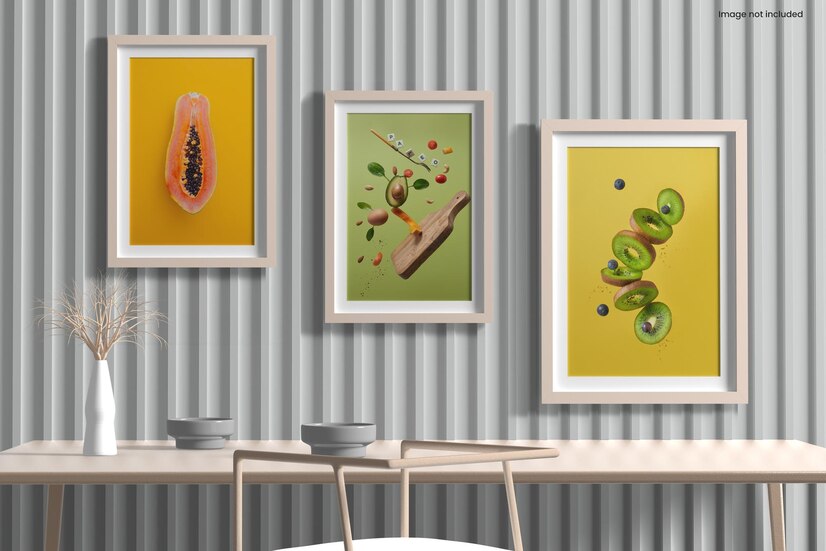
  • Stunning Gallery Wall Layouts to Match Every Room and Aesthetic

    Stunning Gallery Wall Layouts to Match Every Room and Aesthetic

    Blank walls are everywhere in American homes. Those empty spaces above sofas, beds, and dining tables that somehow never get decorated. Most homeowners buy art with good intentions but then struggle with the actual hanging part. You know the scene: frames leaning against walls for months, waiting for someone to figure out the “right” way to arrange them.

    This hesitation makes sense when you consider the numbers. Americans spent over $603.60 billion on home remodeling in 2024, yet surveys show that more than half of homeowners feel overwhelmed when it comes to wall decor ideas. The global wall art market hit $48.02 billion in 2023 and keeps growing at 5.8% each year, proving people want to decorate their walls; they just need to know how.

    Creating stunning gallery wall layouts and picture wall ideas doesn’t have to be complicated. With some basic planning and the right approach, anyone can transform boring blank walls into personal art displays that actually look intentional.

    Why Gallery Walls Matter More Than Ever

    Gallery wall layouts have become the go-to solution for boring blank walls across America. Instead of buying one expensive large piece, homeowners can mix different sizes and styles and even add personal photos to create something unique.

    This trend isn’t going anywhere; interior designers report that 68% of clients now ask for art wall ideas during consultations. The best part about wall art arrangements is they work in every room and with any budget. You can start small with just three pieces and grow your collection over time.
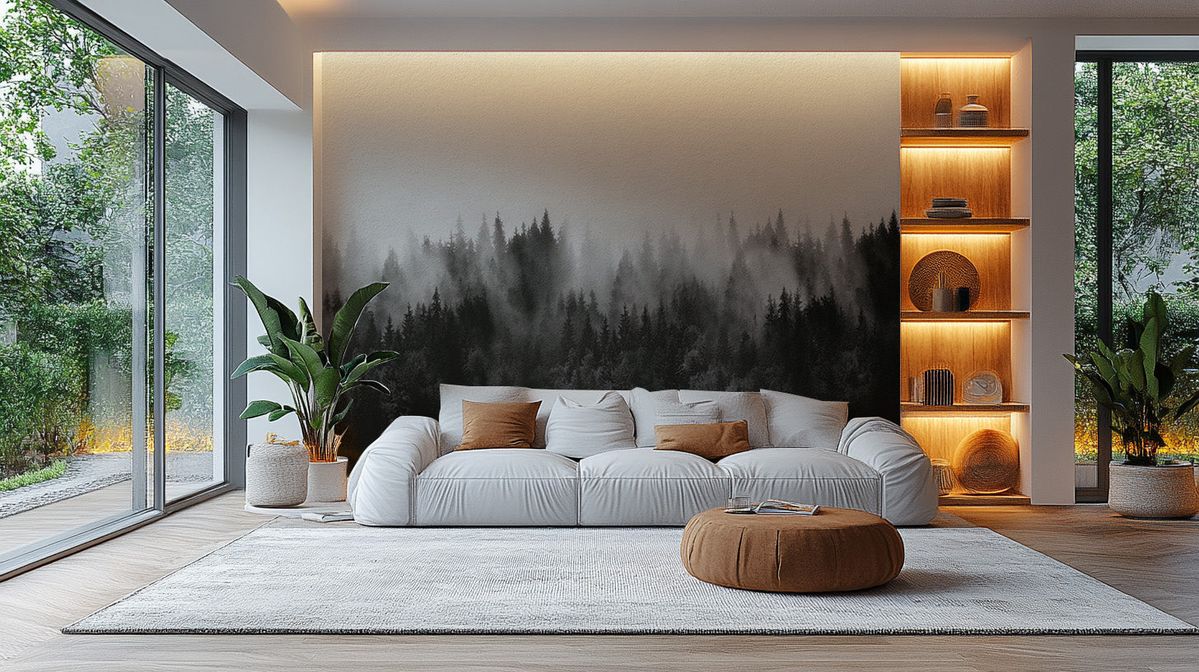
    Unlike wallpaper design that requires major commitment, gallery walls can change as your taste evolves. This flexibility makes them perfect for renters and homeowners alike, since you can take your collection with you when you move.

    Plus, mixing personal photos with purchased art creates displays that actually tell your story rather than just filling empty space.

    Basic Rules That Actually Work

    Getting your frame wall layout right comes down to three simple rules that professional designers use:

    • The 2-3 Inch Rule: Keep consistent spacing between all pieces. This prevents your wall from looking messy or crowded. Most people hang things too close together, which makes even beautiful art look cheap.
    • Eye Level Hanging: The center of your main piece should be 57-60 inches from the floor. For wall art for living room spaces where people sit most of the time, adjust this to seated eye level instead.
    • Template Testing: Cut paper templates the same size as your frames and tape them to the wall first. This saves you from making holes in the wrong spots and lets you try different arrangements easily.

    Room-by-Room Gallery Wall Strategies

    Stunning Gallery Wall Layouts to Match Every Room and Aesthetic

    Different rooms call for different approaches when it comes to wall decor ideas. Your living room can handle bold, large-scale arrangements, while bedrooms work better with calmer, more personal displays.

    The key is matching your picture wall ideas to how each space gets used and what mood you want to create. Understanding these room-specific needs helps you choose the right pieces and avoid common mistakes like hanging family photos in formal dining rooms or busy abstract art in relaxing bedrooms.

    Living Room: The Main Event

    Your living room offers the biggest opportunity for wall decor ideas that make a real impact. American homeowners reported spending an average of $18,000 on renovations recently, with living room updates being the top priority.

    Above the Sofa Setup: This is the most popular spot for wall art for living room displays. Start with your largest piece as the anchor, then add smaller pieces around it. The total width should be about 2/3 the width of your sofa – so if your couch is 90 inches wide, aim for around 60 inches of wall art.

    Easy Gallery Wall Layout with Sizes: Here’s a simple formula that works every time:

    • One large piece (24×36 inches) in the center
    • Two medium pieces (16×20 inches) on the sides
    • Three to four small pieces (8×10 or 11×14 inches) to fill gaps
    • Keep 2-3 inches between all frames

    Color Matching Made Simple: Pick artwork that uses 2-3 colors already in your room. This creates harmony without being boring. If your living room is mostly neutral, you can go bolder with your art choices.

    Bedroom: Personal and Peaceful

    Bedroom picture wall ideas should feel calming and personal. The space above your bed is prime real estate, but don’t ignore other walls.

    • Headboard Gallery: Create a horizontal arrangement that extends about 6 inches beyond each side of your headboard. Mix personal photos with art prints, but keep the overall vibe relaxing. Avoid anything too bright or busy since this is where you sleep.
    • Dresser Wall Display: The wall above your dresser works great for smaller art wall ideas. Use pieces under 16 inches wide so they don’t overwhelm the furniture. This spot is perfect for family photos mixed with small paintings or prints.
    • Corner Solutions: Turn unused corners into cozy gallery spots using floating shelves. Layer small frames with plants or decorative objects for depth.

    Kitchen and Dining Areas: Functional Art

    Kitchen wall decor ideas need to handle heat, humidity, and cooking smells. 52% of homeowners planning kitchen updates in 2025 want textured walls, making art selection even more important.

    • Breakfast Nook Gallery: Small spaces work great for intimate picture wall ideas. Food photography, coffee prints, or botanical art fit perfectly. Always use glass frames to protect from cooking moisture.
    • Open Shelving Mix: Combine floating shelves with small framed pieces. Alternate cookbooks with art and add some plants for a natural touch. This creates functional storage plus visual interest.

    Style-Based Layout Approaches

    Stunning Gallery Wall Layouts to Match Every Room and Aesthetic

    Your personal style should drive your gallery wall layout choices, not the other way around. Whether you love clean minimalist looks or prefer eclectic, collected-over-time vibes, there’s a frame wall layout approach that’ll work for you.

    The trick is staying consistent within whatever style you choose – mixing minimalist grids with bohemian clusters usually looks confused rather than creative. Once you nail down your preferred aesthetic, creating cohesive art wall ideas becomes much easier.

    1. Modern and Clean

    Minimalist gallery wall layouts are hugely popular right now. 63% of consumers prefer minimalist designs, making clean arrangements a safe bet for most homes.

    • Perfect Grid Method: Use identical or very similar frame sizes arranged in neat rows. This works especially well with black and white photography or abstract prints. The key is keeping everything perfectly aligned – use a level and measure carefully.
    • Single Row Linear: Hang 3-5 pieces in one straight horizontal line with identical spacing. This frame wall layout works great in hallways or above long furniture like console tables or beds.

    2. Eclectic and Fun

    Bohemian wall art arrangements let you mix different styles, colors, and frame types. This approach celebrates individuality and works well for creative personalities.

    • Salon Style Clustering: Overlap frames slightly and vary hanging heights to create that collected-over-time look. Include tapestries, mirrors, or even small shelves alongside traditional framed art.
    • Organic Shape Flow: Forget straight lines completely. Cluster pieces based on how they look together rather than geometric rules. This style works great with mixed media collections.

    3. Traditional and Formal

    Classic symmetrical displays never go out of style, especially in formal dining rooms or home offices.

    • Anchor Piece Strategy: Start with one large central piece, then build matching arrangements on both sides. This gives structure while still allowing creativity.
    • Portrait Gallery Style: Perfect for hallways or stairwells. Arrange family photos or formal artwork in descending size order for an elegant corridor display.

    Planning Your Gallery Wall Project

    Stunning Gallery Wall Layouts to Match Every Room and Aesthetic

    Before you start putting holes in walls, spend time planning your easy gallery wall layout with sizes. This planning phase is where most people mess up – they get excited and start hanging things without thinking through the bigger picture.

    Smart planning prevents expensive mistakes and saves you from having to patch nail holes later. Taking measurements, considering your existing furniture, and thinking about lighting all happen before you buy your first piece of art.

    Getting Started

    Before buying anything, figure out your wall dimensions and how much you want to spend. Most successful easy gallery wall layouts start with 3-5 pieces and grow from there.

    • Floor Planning First: Arrange everything on the floor with proper spacing before touching the wall. Take photos from different angles to see how it looks. This step prevents expensive mistakes.
    • Lighting Matters: Position your gallery wall away from direct sunlight that can fade artwork. The wall art market is expected to hit $101.3 billion by 2032, partly because people are investing in better quality pieces worth protecting.

    Common Mistakes to Avoid 

    • Hanging Too High: Most people hang art way too high. Remember the 57-60 inch rule for the center of your main piece.
    • Ignoring Furniture Size: Your wall art arrangement should relate to nearby furniture. A tiny gallery wall above a large sofa looks lost, while an oversized display above a small chair feels overwhelming.
    • Mixing Cheap and Expensive Frames: While different frame styles can work together, make sure they’re all decent quality. Cheap plastic frames next to nice wood ones look obviously mismatched.
    • Not Planning for Growth: Leave some space to add pieces later. The best gallery walls evolve over time as you find new art you love.

    Making It Work Long-Term

    Stunning Gallery Wall Layouts to Match Every Room and Aesthetic

    Your gallery wall layout should grow and change with you. Use picture ledges for some pieces so you can easily swap things out seasonally without making new holes.

    Clean your frames monthly with a microfiber cloth, and consider UV-protective glass for valuable pieces. Document your arrangements with photos before making changes – this helps when you want to recreate successful combinations.

    The most important thing about wall decor ideas is choosing pieces you actually like looking at every day. Whether you prefer clean minimalist grids or eclectic mix-and-match styles, your gallery wall should make you happy each time you see it.

    Start with just a few pieces and build slowly. The perfect picture wall ideas aren’t created overnight – they develop over time as you discover what works in your space and reflects your personality. Don’t stress about making it perfect right away; focus on creating something that feels like home.

  • Is a Smart Home Right for You? Pros & Cons to Know

    Is a Smart Home Right for You? Pros & Cons to Know

    As technology becomes more integrated in our daily lives, smart home devices are becoming less of a luxury and more of a commonplace in households. A recent survey found that a lot of Americans, 69% actually, have at least one smart home device. But here’s the thing: only 31% are happy with how it all works together. The smart home market is getting huge and is expected to be worth $537 billion by 2030. Still, many people ask the same question: Is a smart home worth it?

    The answer is not a simple yes or no. The smart home pros and cons change based on how you live, what you can spend, and if you like playing with tech. Before you go on a shopping spree for smart gadgets, let’s break down what you need to know about smart living technology.

    What Is a Smart Home System?

    So, what is a smart home system? It’s basically a bunch of devices in your house connected to the internet. They can talk to each other, and you can control them from your phone or with your voice. Your system could be as simple as a few smart light bulbs or a big setup that controls everything from your heat to your coffee maker.

    The main parts are usually a central hub (like an Amazon Echo or Google Home), the smart devices themselves, and the apps on your phone to run them. The whole point is to make your home more convenient, safe, and energy-efficient.

    Modern smart home systems can even learn your daily schedule. Your lights could dim on their own at night, the thermostat can turn down when you leave for work, and your security cameras can ping your phone if they see something weird.

    Advantages of Smart Homes

    Smart Home

    The advantages of smart homes go way beyond just being able to turn off lights from your couch. Here’s what makes these systems attractive to millions of homeowners:

    1. Smart Home Energy Savings

    • Smart home energy savings are probably the biggest draw for most people. Studies show that smart thermostats alone can reduce heating and cooling costs by 10-23% annually. That translates to about $131-145 in savings per year for the average American household.
    • Smart lighting systems use LED bulbs that consume up to 75% less energy than traditional incandescent bulbs. When combined with motion sensors and scheduling features, you can cut your lighting costs by 60-70%.
    • Smart appliances like refrigerators, washing machines, and dishwashers can optimize their energy usage by running during off-peak hours when electricity rates are lower. Some utility companies even offer rebates for using these energy-efficient devices.

    The numbers add up quickly. Homes with comprehensive smart home systems typically see a 20-30% reduction in overall energy consumption, which can save $200-300 annually on utility bills.

    2. Better Security

    Smart home security is way better and cheaper than it used to be. Smart doorbells with cameras let you see who’s at your door from anywhere. Smart locks mean you don’t need keys and can give a temporary code to a friend or repair person.

    Smart security cameras can tell the difference between a person, a pet, or a car, so you get fewer false alarms. Some even have facial recognition to know if it’s a family member or a stranger.

    The security industry says that homes with security cameras are 300% less likely to be broken into. Even a simple system with sensors on your windows and doors makes your home a lot safer.

    3. Convenience and Automation

    Smart living technology is great at doing boring tasks for you. You can use your voice to control a bunch of things at once with a simple command like “Goodnight” or “I’m leaving.” You can program smart appliances to start cooking dinner before you get home or have coffee ready when you wake up.

    You can set up ‘scenes’ that do multiple things at once. For example, an “I’m home” scene could unlock your door, turn on the living room lights, set the thermostat, and play your favorite music, all automatically.

    Disadvantages of Smart Homes

    Smart Home

    Every technology that offers immense benefits often comes with certain drawbacks that we tend to overlook; yet these play a key role and should be carefully considered before making a major investment. They include:

    1. High Upfront Costs

    Smart home systems require significant initial investment. A basic smart thermostat costs $150-300, while comprehensive systems can run $2,000-5,000 or more. Smart appliances typically cost 20-30% more than their traditional counterparts.

    Hidden costs include:

    • Monthly subscription fees for cloud storage and advanced features ($5-15 per month per device)
    • Professional installation costs ($100-500 per device)
    • Regular upgrades as technology evolves
    • Higher electricity bills if devices aren’t properly configured

    2. Privacy and Security Worries

    Smart devices collect a lot of data about what you do every day. This info is often shared with other companies for ads.

    Smart speakers are always listening for their wake word. Smart TVs and cameras can be hacked, letting someone spy on you. Big smart home companies have had data breaches that leaked personal info from millions of users.

    The FBI has even put out warnings about security problems with smart home devices, especially the cheap ones that don’t have good security built-in.

    3. Setup Complication 

    Smart home systems can be a real headache to set up. Devices from different brands don’t always talk to each other because they use different signals (like Wi-Fi, Zigbee, or Z-Wave). Getting it all to work together smoothly is not always easy.

    If your internet goes down, your whole system might stop working. You could be stuck without being able to control your lights, heat, or even unlock your front door if you only use a smart lock.

    Software updates can sometimes break things, and companies can stop supporting older devices, leaving you with expensive junk.

    What Is the Best Smart Home System?

    Smart Home

    What is the best smart home system? It depends on your specific needs and budget, but here are the top contenders:

    • Amazon Alexa: Works with the most stuff and is usually the cheapest. It’s great for beginners.
    • Google Home: Understands what you’re saying a little better and works perfectly with Google services like Gmail and Google Calendar.
    • Apple HomeKit: The best for privacy and security, but it works with fewer devices and costs more. It’s the best choice for iPhone users who care a lot about privacy.

    For a DIY smart home setup, it’s a good idea to pick one system and stick with it. It makes everything less complicated.

    DIY Smart Home Setup vs. Professional Installation

    A DIY smart home setup can save you hundreds of dollars in installation costs, but it requires time and patience. Most smart devices are designed for self-installation, with step-by-step apps and video tutorials.

    Start with simple devices like smart plugs ($10-20 each) and smart bulbs ($15-30 each). These require no wiring and can be installed in minutes. Smart thermostats and security systems might need professional installation depending on your home’s wiring.

    Professional installation makes sense for complex systems or if you’re not comfortable with basic electrical work. Costs typically range from $100 to $500 per device but include setup, testing, and often ongoing support.

    Making the Right Call

    Is a smart home worth it for you? To check the answer to this question, consider these factors:

    • Budget: Start small. You don’t have to automate your whole house at once. Get a smart thermostat or a few plugs and see how you like it.
    • Tech Comfort: If you like figuring out new tech, you’ll probably have fun. If you want things to just work, stick to the basics.
    • Privacy: Read up on the company’s privacy rules. Some are better than others.
    • Home Ownership: If you rent, get devices you can take with you when you move, not things that have to be permanently installed.

    What Should Be the Bottom Line?

    Is a Smart Home Right for You? Pros & Cons to Know

    The smart home pros and cons are different for everyone. The tech offers real benefits in energy savings, security, and convenience. But the problems, cost, privacy, and complexity are just as real.

    The smart home market will keep growing, and prices will come down. Smart appliances and smart living technology are already becoming normal in new houses.

    The key is to start slow. Buy devices that fix a real problem for you. Don’t just get smart gadgets because they seem cool. With a little planning, a smart home can make your life easier. Just remember, the smartest way to do it is often the simplest.

  • Top Bedroom Design Trends of 2025 for a Calm & Cozy Retreat

    Top Bedroom Design Trends of 2025 for a Calm & Cozy Retreat

    Most Americans aren’t getting the rest they need. In fact, studies show that many get less than 7 hours of sleep each night. According to the CDC, nearly 50–70 million people in the U.S. deal with sleep issues, often caused by hectic work schedules, family responsibilities, or even something as simple as an uncomfortable mattress or poorly designed bedroom.

    While some of these challenges aren’t easy to change, your bedroom environment is one thing you can improve and it can make a big difference. In today’s fast-paced world, stress is part of daily life. That’s why the bedroom has become more than just a place to sleep; it’s a personal escape where we recharge and find calm.

    So if you’re looking to upgrade your space, sleep better, and feel more at ease, let’s explore the top bedroom design trends of 2025. 

    Natural Bedroom Materials Are Dominating in 2025

    Trending bedroom styles in 2025 are bringing outside vibes inside. It’s not just about sticking one plant somewhere; it’s about using real materials everywhere you look.

    Harvard did some research that shows people sleeping in rooms with natural materials sleep 23% better than people with fake synthetic stuff. That’s a lot better just from switching materials.

    What people are actually using:

    • Reclaimed wood headboards: Old barn wood looks really cool and gives instant character. Way better than the boring regular headboards everyone has.
    • Natural fiber rugs: Jute rugs feel way softer than those synthetic carpets, and they breathe better too.
    • Stone accent walls: River rock or slate behind your bed looks amazing and makes it feel like you’re in some fancy spa.
    • Live edge furniture: Tables with natural wood edges that aren’t all perfect and straight look way more interesting.

    Statement Headboards Are Defining Bedroom Aesthetics

    Top Bedroom Design Trends of 2025 for a Calm & Cozy Retreat

    Plain headboards are outdated. Modern bedroom ideas for 2025 include headboards that really grab attention. These aren’t just something to lean against; they’re like the main artwork for your whole room.

    What’s popular right now:

    • Tufted velvet headboards in deep colors like green. They look expensive but are still comfy to lean on when you’re reading.
    • Cane webbing panels that add texture but don’t make small rooms feel cramped.
    • Metal geometric designs that work well in modern bedrooms without being too cold-looking.
    • Living wall headboards with little spots for plants bring nature right into your sleeping area.

    Most interior designers say that 85% of their clients want custom headboards now. Everything else in the room gets planned around it.

    Trending Bedroom Colors for Better Sleep in 2025

    Trending bedroom colors for 2025 aren’t just picked because they look trendy. There’s real science behind how colors affect your sleep quality. Some surveys found 38% of Americans sleep way better just from changing their bedroom colors.

    Relaxing bedroom colors aren’t about just looking good in photos anymore. Sleep doctors actually work with designers now to pick colors that help you rest better. Cool blues and greens are winning because they slow down your heart rate.

    The new colors everyone’s going with:

    • Sage green: This soft green is like a natural chill pill for when your mind won’t stop racing.
    • Warm terracotta: This earthy orange makes rooms feel cozy without being too bright or crazy.
    • Soft lavender: Actually helps calm your nervous system and gets your brain ready for sleep mode.
    • Mushroom brown: Rich browns are replacing those stark white walls for a more grounded feeling.

    Trending bedroom wall colors use the 60-30-10 thing: 60% main calm color, 30% neutral stuff, and 10% fun colors in pillows and art.

    Textured Bedroom Walls Are the New Favorite

    Top Bedroom Design Trends of 2025 for a Calm & Cozy Retreat

    Flat, boring paint is basically dead now. Bedroom design trends for 2025 want walls that have some personality and textured surfaces that make things interesting to look at.

    Textured walls don’t just look cool, either; they help with sound. The texture soaks up noise so your bedroom stays quieter for better sleep.

    Texture options people really like:

    • Lime wash paint: Makes color variations that look handmade instead of perfect and boring.
    • Grasscloth wallpaper: Natural fiber papers add warmth without crazy busy patterns that hurt your eyes.
    • Shiplap accents: Wood planks in the right spots give you those cozy cabin vibes.
    • Plaster finishes: Make regular rooms feel like those expensive boutique hotels.

    Cozy Living That Makes Sense

    Bedroom trends for cozy living mix being comfortable with staying organized. It’s not about having tons of random stuff everywhere; it’s about layering comfort things in smart ways. Minimalist bedroom design can still feel cozy if you do the layering right:

    • Multiple blankets in different textures kept in nice-looking baskets give you options for hot or cold nights while keeping things neat.
    • Photo walls with different-sized frames make things visually interesting without being too much.
    • Floor lamps at different heights get rid of harsh overhead lights and make everything more chill.
    • Window treatments that actually block light but still look decent during the day; blackout curtains don’t have to be ugly anymore.

    Every single thing should either be useful or make you smile when you see it. Keep it organized but still homey.

    Hidden Storage for Clean-Looking Spaces

    Modern bedrooms in 2025 are focused on storage you can’t actually see. Built-in storage keeps everything looking clean while hiding all your stuff.

    Bedrooms today need to fit way more things than before: seasonal clothes, work stuff, gym equipment, and all the other junk life throws at you.

    Storage that actually works:

    • Under-bed drawers built right into platform bed frames use space that would just be empty anyway.
    • Ottoman benches at the foot of beds for extra sheets and blankets also give you somewhere to sit while putting on shoes.
    • Floating nightstands with hidden drawers that don’t take up floor space, perfect for smaller bedrooms where every inch counts.
    • Behind-headboard storage for books and charging cables you want close but not visible.

    Custom closets are huge right now, too. Good closet design can make bedrooms feel 30% bigger by getting rid of bulky dressers.

    Smart Bedroom Lighting Ideas for Better Sleep

    Top Bedroom Design Trends of 2025 for a Calm & Cozy Retreat

    Soft lighting bedroom ideas in 2025 work with your natural sleep cycle instead of just trying to look pretty. Smart lighting that changes color temperature during the day is becoming normal now.

    The whole point is lighting that works with how your body naturally wants to sleep and wake up. Bright bluish light in the morning wakes you up good; warm, dim light at night tells your body it’s time to sleep.

    Lighting layers that make sense:

    • Overhead lights with dimmer switches so you can adjust based on what time it is.
    • Reading lights that give you bright light for books without bugging your partner who’s trying to sleep.
    • Accent lighting to show off cool stuff in your room, like art or plants.
    • Natural light control with smart blinds or really good blackout curtains.

    LED strips behind headboards make soft light that’s perfect for getting around at night without messing up your sleep.

    Making It Personal Instead of Perfect

    Trending bedroom styles in 2025 are moving away from those perfect Instagram rooms toward spaces that feel like real people actually live there.

    That means using family pictures, stuff from trips, handmade things, and personal touches you can’t just buy at Target.

    Ways to make it yours:

    • Family photos in different old-style frames that tell your story instead of looking like a furniture store display.
    • Handmade blankets from relatives add texture and warmth plus emotional connection to the space.
    • Collections on floating shelves, like books or small plants, that show what you’re actually into.
    • Travel souvenirs worked into your decor without making everything look cluttered and crazy.

    Designers say clients specifically ask for “imperfect” stuff now, things that show wear or look handmade instead of mass-produced identical items.

    Paint Colors That Work Well

    Top Bedroom Design Trends of 2025 for a Calm & Cozy Retreat

    Bedroom paint colors 2023 trends that carried into 2025 focus on colors that actually help you chill out. The most popular trending bedroom colors aren’t just trendy; they’re picked because they help people sleep better.

    Cool colors like soft blues and greens naturally calm your brain down. Warm earth colors like terracotta and mushroom brown make rooms feel safe and cozy. Even trending bedroom wall colors like sage green have been proven to reduce stress.

    The main thing is picking colors that make you feel relaxed when you walk in your room. Bright, energizing colors might look good in pictures, but they can make it harder to wind down when it’s bedtime.

    How to Start Your Bedroom Makeover in 2025

    All these bedroom design trends for 2025 are trying to do one thing: create spaces that help you sleep better and feel more relaxed. It doesn’t matter if you’ve got a tiny apartment bedroom or a huge master suite; these ideas can work for any space and budget.

    Start with one big change, maybe a cool headboard or new paint colors, then build from there. The best bedroom makeovers happen slowly, so you can live with changes and see how they actually affect your sleep.

    Remember, trends are just ideas to get you started. Your bedroom should be about what makes YOU feel most peaceful and rested. You’re the one sleeping there every single night, so your comfort matters most.

    Ready to fix up your bedroom? These trends will help you make a room that looks good and actually helps you sleep way better.

  • Modern Interior Design Inspired by Nature

    Modern Interior Design Inspired by Nature

    A construction worker got 17% more work done at his office after his company put in living green walls and let in more natural light. This isn’t just a marketing gimmick. Salesforce’s big office tower in San Francisco uses biophilic design elements like huge indoor green areas and natural light, and they saw a 17% jump in how much their employees got done. 

    The global interior design market is huge, and nature-inspired design is a major part of the interior design trends transforming our spaces. In 2024, the global interior design market hit $145.24 billion, and nature inspired interiors are leading this massive transformation.

    Biophilic design has gone from a trendy word to a real need in our world full of concrete. Americans now spend over 90% of their time inside, which makes our homes and offices super important for our mental health and focus.

    What is Nature-Inspired Interior Design?

    Nature-inspired interiors, also called biophilic design, are all about connecting people with nature through the rooms they live and work in. It’s way more than just putting a few plants in a room.

    Studies show that being around nature, even indoors, lowers stress, makes you more productive, and helps your body’s systems work better. This design style uses things like natural materials, lots of plants, water features, natural light, and colors you’d see outside.

    This idea is more than just decorating. It’s about making spaces that actually make us feel and work better every day. Studies have even shown that patients in hospitals with biophilic design spend 8% less time there, proving it’s not just about looks.

    Key Parts of Nature-Inspired Design

    • Natural Materials: Using wood, stone, bamboo, and cork instead of fake stuff. Natural interior design is shifting to materials like bamboo, cork, hemp, cotton, and stone. Designers are moving away from artificial materials like plastics and laminate.
    • Living Elements: Plants, green walls, and even small water fountains bring actual life into a room.
    • Natural Light: Getting as much daylight as you can with big windows, skylights, and light-colored paint.
    • Organic Shapes: Curved furniture and flowing lines that look like the random shapes you see in nature.

    Why Do We All Crave Nature Indoors?

    Research shows that humans have a built-in need to be around nature. It’s called biophilia. Our brains are just wired to feel good in natural settings. When we see green plants or hear the sound of water, our stress levels go down and we can focus better. Employees who work in these kinds of spaces report being less stressed out.

    This isn’t just a feeling—it leads to real health improvements. The boost in productivity from biophilic design isn’t fake news; it’s real science that businesses and homeowners are starting to pay attention to.

    Health Benefits That Are the Real Deal

    • Less Stress: Natural elements can lower your stress hormones and blood pressure in just a few minutes.
    • Cleaner Air: Live plants are great at filtering out bad stuff from the air and adding more oxygen.
    • Better Sleep: Getting natural light during the day helps keep your body’s natural sleep clock on track.
    • More Creativity: The organic shapes and textures in nature wake up different parts of our brain than straight lines and perfect squares do.

    Popular Natural Materials in Modern Homes

    Modern Interior Design Inspired by Nature

    The move to natural materials is happening fast. The demand for sustainable interior design is growing like crazy. Here’s what people are actually using in their homes and offices.

    • Wooden Interior Design: Reclaimed wood, live-edge tables, and wood ceiling beams add a warm and textured feel. Oak, walnut, and cedar are popular choices.
    • Stone and Concrete: Natural stone countertops and river rock accent walls create a solid, grounding look.
    • Bamboo: This fast-growing grass is great for floors and furniture. It’s super strong and grows back quickly, making it a great eco-friendly interior design choice.
    • Natural Fabrics: Hemp, linen, and organic cotton are replacing synthetic fabrics for couches, curtains, and rugs.

    Bringing Plants and Greenery Inside

    One of the best modern interior design ideas inspired by nature is simply adding plants. They can turn a boring room into a living, breathing space. Plants aren’t just for looks; they clean your air and boost your mood.

    • Living Walls: These vertical gardens look amazing and are great for air quality. They can fit in a small apartment or a huge office.
    • Putting Plants in the Right Spot: Bathrooms are great for ferns that love humidity. Offices are perfect for succulents that don’t need much care.
    • Herb Gardens: A small herb garden in your kitchen gives you fresh ingredients and makes the room smell great.

    Easy Plants That You (Probably) Can’t Kill

    • Snake Plants: Almost impossible to kill. They do well in low light and are awesome at cleaning the air.
    • Pothos: A fast-growing vine that looks great in hanging pots or trailing down from a shelf.
    • Peace Lilies: They have pretty white flowers and will literally droop to tell you when they need water.

    Color Palettes That Look Like the Outdoors

    Nature-inspired colors are more than just green and brown. Think about all the colors you see outside—from ocean blues and sunset oranges to the dark shadows in a forest. Check some of the best color palettes, which you can use for your interior design. 

    • Earth Tones: Warm browns, terracotta, and clay colors are great for walls and big furniture.
    • Forest Greens: Deep hunter green and sage work well for accent colors that aren’t too loud.
    • Sky Blues: Soft, calm blues are perfect for bedrooms and bathrooms.
    • Sunset Warmth: Rust, amber, and warm oranges add energy to living rooms and kitchens.

    Creating Natural Light and Airflow

    Modern Interior Design Inspired by Nature

    Good biophilic design uses natural light and fresh air to make a building more energy-efficient.

    • Window Treatments: Sheer curtains let light in while still giving you privacy. Bamboo blinds are a great natural option.
    • Mirrors: A well-placed mirror can bounce light into darker parts of a room.
    • Lighter Surfaces: White or cream walls reflect the light you have, making any room feel brighter.

    Budget-Friendly Ways to Add Natural Elements

    You don’t need to do a full remodel to try this modern interior design trend. As we look at interior design trends for 2025, biophilia will still be a huge theme, and there are cheap ways to do it.

    • DIY Plant Cuttings: Grow new plants from cuttings of ones you or a friend already have.
    • Add Natural Textures: Woven baskets, wooden bowls, and cool-looking stones are cheap ways to add natural touches.
    • Seasonal Branches: Go outside and cut a few nice-looking branches to put in a vase. Free decor!
    • Jute Rugs: A natural fiber rug like jute is much cheaper than new hardwood floors.

    The Future of Nature-Based Design

    Modern Interior Design Inspired by Nature

    Biophilic design is more than a trend; it’s a shift toward healthier and more sustainable homes. It’s a huge part of why the interior design market is growing.

    We’re starting to see smart tech mix with natural design. Think about automatic watering systems for your plants or lighting that changes during the day to match the sun. New sustainable interior design materials like mushroom leather are also on the way.

    The link between our homes and our health is too strong to ignore. Nature-inspired interiors are about creating places where we can feel our best. Whether you start small with one plant or redesign your whole house, bringing nature inside is an investment in your own health and happiness.Want more home improvement tips? Check out our other guides on interior design trends for professional advice and inspiration

  • How to Choose the Perfect Paint Colors for Your Home

    How to Choose the Perfect Paint Colors for Your Home

    According to Zillow’s 2024 paint color analysis, buyers pay on average $2,512 more when a house has a kitchen painted in the moody gray hue. This statistic shows that choosing the right paint colors for your home isn’t just about making your space look good; it’s about adding real money to your property value.

    Research shows that in the first 20 seconds of visual senses capturing information, color takes up about 80% of what people notice. This means your house paint colors are literally the first thing people see and judge your home by. Whether you’re planning to sell soon or just want to enjoy your space more, getting your colors right is super important.

    Understanding Color Psychology for Better Living

    Color psychology affects how you feel every single day in your home. Studies prove that warm colors like red and yellow make people feel energetic and excited, while cool colors like blue and green help you relax and feel calm. This isn’t just design talk; there’s real science behind it.

    The psychological impact of wall paint color ideas goes way deeper than most homeowners think. Light colors make rooms feel bigger and more open, while dark colors can make spaces feel smaller but cozier. When you’re picking colors, you’re basically choosing how you want to feel in that room every day.

    How Different Colors Affect Your Mood

    Here’s what research tells us about how to choose paint colors based on their psychological effects:

    Warm Colors (Reds, Oranges, Yellows):

    • Make you feel more energetic and active
    • Create a cozy, intimate feeling
    • Red actually makes people hungrier—that’s why it works great in dining rooms.
    • Can make your heart beat faster (not kidding!)

    Cool Colors (Blues, Greens, Purples):

    • Help you relax and feel peaceful
    • Make rooms look bigger than they actually are
    • Blue helps you sleep better and reduces stress.
    • Green connects you with nature and makes you feel balanced.

    Neutral Colors (Whites, Grays, Beiges):

    • Never go out of style
    • Let your furniture and art stand out.
    • Easy to redecorate around
    • Most buyers like them.

    How to Boost Home Value with Smart Color Choices

    How to Choose the Perfect Paint Colors for Your Home

    Your house colors can add thousands of dollars to your home’s value. According to research, choosing the right color to paint your walls can impact your bottom line as much as $5,000. That makes painting one of the cheapest ways to increase your home’s worth.

    Real estate data shows some clear winners when it comes to home color combination choices. Painting your front door black may increase home value by up to $6,500. But it’s not just the front door; every room matters for your home’s overall appeal.

    Colors That Add Money vs. Colors That Cost You

    High-Value Paint Colors:

    • Moody gray in kitchens and living rooms
    • Soft neutrals throughout the whole house
    • Black front doors for maximum curb appeal
    • Sage green for bedrooms and bathrooms

    Colors That Turn Buyers Away: 59 percent of interior designers and home stagers said that red turns away buyers. Other colors to avoid include:

    • Bright yellows (too overwhelming)
    • Bold purples (too personal)
    • Orange accent walls (hard to match)
    • Dark colors in main living areas

    The trick is remembering that while you might love that bright pink bedroom, potential buyers probably won’t. Today’s buyers want homes that feel fresh, modern, and relaxing.

    Room-by-Room Color Guide

    Different rooms need different colors because they serve different purposes. Here’s how to pick the best paint for your home in each space.

    Living Room Colors That Work

    Your living room is where families hang out and guests visit. Using moody gray in the living room can increase home offers by $1,755 more, according to recent real estate data.

    Best Living Room Options:

    • Warm grays for a modern look
    • Soft blues for relaxation
    • Cream and off-white for timeless style
    • Light greens for a natural feel

    Living Room Tips:

    • Use lighter colors to make the space feel bigger
    • Try darker accent walls behind TVs or fireplaces
    • Think about how much natural light the room gets
    • Test colors at different times of day

    Kitchen Color Strategies

    Kitchens are super important for home value. Buyers pay an average of $2,512 more when a house has a kitchen painted in moody gray. This makes kitchen color choice really important for both daily use and resale value.

    Kitchen Color Guidelines:

    • Light colors make small kitchens look bigger
    • Warm whites create a clean, fresh look
    • Soft grays add modern style
    • Light blues work great with white cabinets

    Don’t forget about popular kitchen cabinet colors when planning your wall colors. White cabinets are still the most popular choice, followed by gray and natural wood tones.

    Bedroom Paint Ideas

    Bedrooms should help you sleep and relax. The best bedroom colors are ones that make you feel calm and peaceful. Research shows that lighter shades create the visual illusion of more space.

    Top Bedroom Color Choices:

    • Soft blues for better sleep
    • Gentle greens for natural calm
    • Warm grays for sophisticated comfort
    • Light lavender for stress relief

    Bedroom Color Tips:

    • Avoid bright, energetic colors that might keep you awake
    • Consider blackout curtains if you choose lighter colors
    • Test colors in both morning and evening light
    • Remember that you’ll see these colors first thing when you wake up

    Exterior Paint Colors That Make a Difference

    How to Choose the Perfect Paint Colors for Your Home

    Exterior paint colors are just as important as interior ones. Your home’s outside appearance creates the first impression for neighbors, guests, and potential buyers. According to real estate experts, the right exterior color can add up to 7% to your home’s value.

    Popular Exterior Color Combinations:

    • White with black trim: classic and timeless
    • Gray with white trim: modern and sophisticated
    • Navy blue with white trim: bold but appealing
    • Beige with cream trim: warm and welcoming

    Exterior Color Mistakes to Avoid:

    • Colors that clash with your roof
    • Bright colors that fade quickly
    • Colors that don’t match your neighborhood style
    • Using too many different colors

    Practical Tips for Choosing Paint Colors

    When you’re ready to pick your paint colors for home, don’t just grab colors based on tiny paint chips. Here’s how professionals do it:

    Testing Colors the Right Way

    Steps for Testing Paint:

    • Buy sample sizes and paint big squares (at least 2×2 feet).
    • Paint samples on different walls to see how light changes them
    • Look at colors in the morning, afternoon, and evening
    • Live with the samples for at least a week

    Understanding Undertones

    Every paint color has undertones, hidden colors that show up in different lighting. This is super important when figuring out how to choose paint colors that look good together.

    Common Undertones:

    • Warm undertones: red, yellow, and orange hints
    • Cool undertones: blue, green, and purple hints

    Coordinating Colors Throughout Your Home:

    • Pick one main neutral for most rooms
    • Use different shades of the same color family
    • Keep trim colors consistent
    • Add personality with colorful accessories, not walls.

    Making Your Final Decision

    How to Choose the Perfect Paint Colors for Your Home

    After thinking about psychology, home value, and room function, it’s time to choose your final house paint colors. The US house painting market was valued at $24.4 billion in 2024, showing just how much Americans spend on getting their colors right.

    Your perfect paint colors should:

    • Match your personal style but appeal to most people
    • Work with your home’s style and existing features
    • Create the right mood for each room
    • Consider whether you plan to sell soon.

    Final Tips:

    • Don’t rush the decision: good paint jobs last 5-10 years.
    • Consider hiring a color consultant for expensive homes.
    • Remember that paint is one of the cheapest ways to update your home.
    • When in doubt, go with neutrals: you can always add color with decor.

    The right wall paint color ideas can completely change how your home looks and feels. Take time to research, test your choices, and don’t be afraid to ask for help. Your walls are waiting for the perfect colors to make your house feel like home.

    Want more home improvement tips? Check out our other guides on interior design trends for professional advice and inspiration.

  • Adaptive Lighting Systems That Respond to Mood, Time, and Activity

    Adaptive Lighting Systems That Respond to Mood, Time, and Activity

    The market for smart lighting systems was huge in 2023, making over $14 billion. And it just keeps getting bigger by 15% every year. These are not your normal fancy light bulbs anymore. Adaptive LED lighting is changing our homes by automatically changing the light for how we feel, the time of day, and what we’re doing.

    Studies even show that people who use intelligent home lighting at their office jobs get 19% more work done in only three weeks. The lights get dimmer for video calls and brighter when they need to focus on something. 

    Energy-efficient smart lights can also save a lot of money on your electric bill. LED lights with smart controls can use 60-80% less energy. The best part? They don’t have to program anything. The system just learns what they like.

    What Is a Smart Lighting System and How Does It Work?

    Mood-based lighting solutions are a big step up from the smart bulbs you already know. These systems use sensors, AI, and even data about your body to make personalized lighting experiences. The light changes all day based on what you need and how you feel.

    The tech uses different data to make its smart choices. Motion sensors know when you’re in a room, light sensors check the sunlight from outside, and some systems can even check your heart rate or use a camera to see your mood.

    Main Components of a Modern Smart Lighting System

    Modern automated lighting control systems have a few key parts that work together:

    • Circadian rhythm lighting is a big one. It follows your body’s natural sleep clock. It changes the color and brightness of the light to match the time of day. Even though it’s great for your health, less than 0.5% of lights sold today do this. That means there is a lot of room for it to grow.
    • Biometric sensors let the lights react to you. The market for these sensors was worth $2.09 billion in 2024 and should grow almost 20% every year until 2030. More people are putting these in their homes.
    • AI-powered lighting learns what you do over time. It figures out your schedule for work, relaxing, or sleeping. The system gets smarter and smarter at knowing what you want, so you don’t have to mess with settings.
    How Does Smart Lighting Affect Mood

    Adaptive Lighting Systems That Respond to Mood, Time, and Activity

    The link between light and your mood is not just marketing talk; it’s real science. Circadian rhythm lighting is tied to your mood, mental health, and even seasonal depression. Your brain has a master clock that is very sensitive to light.

    When tunable white lighting systems change color and brightness throughout the day, they’re helping your body’s natural clock. This isn’t just about comfort; it changes how your brain works.

    Better Daily Performance

    Research shows bright, cool light (like daylight) during the day makes you more alert and helps you think. Warm, soft light at night helps your body make melatonin so you can sleep better.

    The productivity gains are real. Workers with adaptive LED lighting do 15-20% better work compared to people with normal office lights. The key is to match the light to the task.

    Mood control with lights can really help people who get depressed in the winter. Studies showed that better lighting helped people sleep 10 minutes longer each night over two years and made them feel less depressed long-term.

    Automated Lighting Control: Time-Based and Activity-Based Adjustments

    The best smart lighting systems don’t wait for you to tell them what to do. They use automated lighting control to know what you need based on the time. It makes your daily routine feel smoother.
    Your morning can be better with lights that slowly get brighter like a sunrise. Instead of a loud alarm and a bright light in your face, the lights can start getting brighter 30 minutes before you wake up.

    Setting Up Your Own Light Schedule

    Work hours are better with bright, cool lighting to keep you focused. An activity-based lighting setup can see when you’re at your desk and change the lights for you.

    For your evening wind-down, you need lights to get warmer and dimmer. Smart dimming solutions can start this change a couple hours before bed, shifting from daylight colors to a warm, cozy amber light that won’t mess up your sleep.

    Weekend patterns are usually different than weekdays, and smart systems learn that. They might make the “sunrise” later on Saturday or keep the lights dim and cozy longer on a lazy Sunday.

    Smart Lights That Change Based on What You’re Doing

    The coolest part of modern intelligent home lighting is how it knows what you’re doing. An activity-based lighting setup makes your lights an invisible helper.

    Cooking needs bright, focused light on your counters. Smart systems can see you’re in the kitchen and brighten up the task lights but keep the rest of the room softer.

    Reading needs a different light than watching TV. IoT smart lighting can connect to your TV or use sensors to see if you’re watching a screen. It will then dim the room lights to stop eye strain.

    Exercise and Relax Modes

    • Workout lighting should be bright and give you energy. Systems can connect to your fitness watch and turn on bright, cool lights when you start exercising.
    • Yoga or meditation is better with warm, dim lighting. Some systems can even make the lights slowly fade in and out to match your breathing.
    • Entertainment modes change for what you’re watching. Movie night gets dim home ambiance lighting, and video games might get colorful lights that flash with the action on screen.

    Voice Control Lights and How They Work?

    Adaptive Lighting Systems That Respond to Mood, Time, and Activity

    Voice-controlled lights are pretty common now in most smart lighting systems. You can just say “dim the lights for a movie,” and the system knows the perfect setting.

    It works with Alexa, Google, and Siri, so these personalized lighting experiences are for everyone. You don’t have to be a tech expert.

    Smart dimming solutions work great with your voice. The system remembers what you like for different commands, so it feels easy and natural.

    Adaptive LED Lighting Market Growth 

    The adaptive LED lighting market is getting huge because people get the health benefits. The circadian rhythm lighting market was valued at $376.37 million in 2024 and is expected to hit $1,618.33 million by 2032.

    This is because people care more about their health, more people work from home, and the parts for smart lighting systems are getting cheaper. This tech is now affordable for normal people.

    Installation and Setup: Is Smart Lighting Hard to Install?

    Putting these lights in an old house, or retrofitting existing homes can be hard and expensive. But many systems now are wireless, which makes it easier.

    The learning curves can be a problem for some people. The best AI-powered lighting systems let you override the automatic settings, so you’re still in control while it learns what you like.

    Homes, Hospitals, and Companies Using Smart Lighting

    • Big companies like Google use adaptive LED lighting in their offices. They use circadian rhythm lighting and say their workers are happier and less tired.
    • Hospitals use mood-based lighting solutions to help patients get better. Studies show patients heal faster and need less medicine when the light is right.
    • Home case studies also show great results. In one study of 200 homes with smart lighting systems, 78% of people said they slept better, and 82% said they would never go back to regular lights.

    What’s Next for AI-Powered Smart Lighting?

    The next version of AI-powered lighting will watch you even closer. Future systems might check your breath or skin temperature to change the lights for your exact body needs.

    AI will make these systems guess what you need before you do. They’ll look at your calendar, the weather, and what you usually do.

    Integration with smart home ecosystems will mean your intelligent home lighting will work with your heat, security, and TV to make the perfect environment for anything.

    How to Get Started with Smart Lighting at Home?

    Adaptive Lighting Systems That Respond to Mood, Time, and Activity

    It’s easier and cheaper now to get started with smart lighting systems. You can install basic mood-based lighting solutions yourself. More advanced circadian rhythm lighting might need a professional.

    Voice-controlled lights make it simple to use every day. Start small with a few smart dimming solutions and grow to full home ambiance lighting once you know what you like.

    Conclusion

    Adaptive LED lighting is more than a cool gadget—it’s about making our homes healthier. As they get smarter and cheaper, they are becoming a key part of a healthy home.

    The proof is clear: good lighting makes a big difference for our mood, sleep, and work. These personalized lighting experiences offer real solutions that learn and grow with you. The future of lighting is not just smart—it’s intelligent, and energy-efficient smart lights are lighting the way.