Category: Upgrade Yourself

  • Top Bedroom Design Trends of 2025 for a Calm & Cozy Retreat

    Top Bedroom Design Trends of 2025 for a Calm & Cozy Retreat

    Most Americans aren’t getting the rest they need. In fact, studies show that many get less than 7 hours of sleep each night. According to the CDC, nearly 50–70 million people in the U.S. deal with sleep issues, often caused by hectic work schedules, family responsibilities, or even something as simple as an uncomfortable mattress or poorly designed bedroom.

    While some of these challenges aren’t easy to change, your bedroom environment is one thing you can improve and it can make a big difference. In today’s fast-paced world, stress is part of daily life. That’s why the bedroom has become more than just a place to sleep; it’s a personal escape where we recharge and find calm.

    So if you’re looking to upgrade your space, sleep better, and feel more at ease, let’s explore the top bedroom design trends of 2025. 

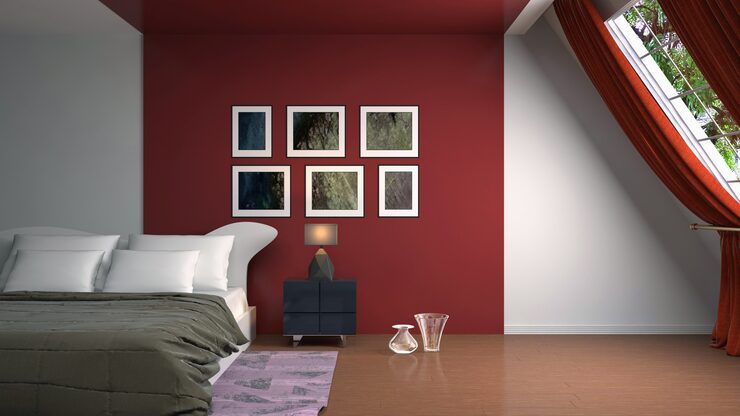
    Natural Bedroom Materials Are Dominating in 2025

    Trending bedroom styles in 2025 are bringing outside vibes inside. It’s not just about sticking one plant somewhere; it’s about using real materials everywhere you look.

    Harvard did some research that shows people sleeping in rooms with natural materials sleep 23% better than people with fake synthetic stuff. That’s a lot better just from switching materials.

    What people are actually using:

    • Reclaimed wood headboards: Old barn wood looks really cool and gives instant character. Way better than the boring regular headboards everyone has.
    • Natural fiber rugs: Jute rugs feel way softer than those synthetic carpets, and they breathe better too.
    • Stone accent walls: River rock or slate behind your bed looks amazing and makes it feel like you’re in some fancy spa.
    • Live edge furniture: Tables with natural wood edges that aren’t all perfect and straight look way more interesting.

    Statement Headboards Are Defining Bedroom Aesthetics
    Top Bedroom Design Trends of 2025 for a Calm & Cozy Retreat

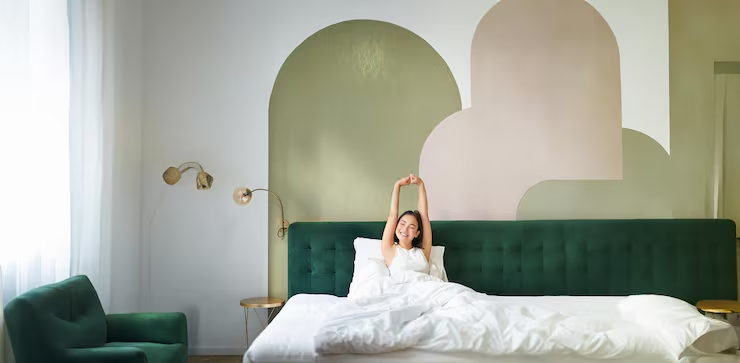
    Plain headboards are outdated. Modern bedroom ideas for 2025 include headboards that really grab attention. These aren’t just something to lean against; they’re like the main artwork for your whole room.

    What’s popular right now:

    • Tufted velvet headboards in deep colors like green. They look expensive but are still comfy to lean on when you’re reading.
    • Cane webbing panels that add texture but don’t make small rooms feel cramped.
    • Metal geometric designs that work well in modern bedrooms without being too cold-looking.
    • Living wall headboards with little spots for plants bring nature right into your sleeping area.

    Most interior designers say that 85% of their clients want custom headboards now. Everything else in the room gets planned around it.

    Trending Bedroom Colors for Better Sleep in 2025

    Trending bedroom colors for 2025 aren’t just picked because they look trendy. There’s real science behind how colors affect your sleep quality. Some surveys found 38% of Americans sleep way better just from changing their bedroom colors.

    Relaxing bedroom colors aren’t about just looking good in photos anymore. Sleep doctors actually work with designers now to pick colors that help you rest better. Cool blues and greens are winning because they slow down your heart rate.

    The new colors everyone’s going with:

    • Sage green: This soft green is like a natural chill pill for when your mind won’t stop racing.
    • Warm terracotta: This earthy orange makes rooms feel cozy without being too bright or crazy.
    • Soft lavender: Actually helps calm your nervous system and gets your brain ready for sleep mode.
    • Mushroom brown: Rich browns are replacing those stark white walls for a more grounded feeling.

    Trending bedroom wall colors use the 60-30-10 thing: 60% main calm color, 30% neutral stuff, and 10% fun colors in pillows and art.

    Textured Bedroom Walls Are the New Favorite
    Top Bedroom Design Trends of 2025 for a Calm & Cozy Retreat

    Flat, boring paint is basically dead now. Bedroom design trends for 2025 want walls that have some personality and textured surfaces that make things interesting to look at.

    Textured walls don’t just look cool, either; they help with sound. The texture soaks up noise so your bedroom stays quieter for better sleep.

    Texture options people really like:

    • Lime wash paint: Makes color variations that look handmade instead of perfect and boring.
    • Grasscloth wallpaper: Natural fiber papers add warmth without crazy busy patterns that hurt your eyes.
    • Shiplap accents: Wood planks in the right spots give you those cozy cabin vibes.
    • Plaster finishes: Make regular rooms feel like those expensive boutique hotels.

    Cozy Living That Makes Sense

    Bedroom trends for cozy living mix being comfortable with staying organized. It’s not about having tons of random stuff everywhere; it’s about layering comfort things in smart ways. Minimalist bedroom design can still feel cozy if you do the layering right:

    • Multiple blankets in different textures kept in nice-looking baskets give you options for hot or cold nights while keeping things neat.
    • Photo walls with different-sized frames make things visually interesting without being too much.
    • Floor lamps at different heights get rid of harsh overhead lights and make everything more chill.
    • Window treatments that actually block light but still look decent during the day; blackout curtains don’t have to be ugly anymore.

    Every single thing should either be useful or make you smile when you see it. Keep it organized but still homey.

    Hidden Storage for Clean-Looking Spaces

    Modern bedrooms in 2025 are focused on storage you can’t actually see. Built-in storage keeps everything looking clean while hiding all your stuff.

    Bedrooms today need to fit way more things than before: seasonal clothes, work stuff, gym equipment, and all the other junk life throws at you.

    Storage that actually works:

    • Under-bed drawers built right into platform bed frames use space that would just be empty anyway.
    • Ottoman benches at the foot of beds for extra sheets and blankets also give you somewhere to sit while putting on shoes.
    • Floating nightstands with hidden drawers that don’t take up floor space, perfect for smaller bedrooms where every inch counts.
    • Behind-headboard storage for books and charging cables you want close but not visible.

    Custom closets are huge right now, too. Good closet design can make bedrooms feel 30% bigger by getting rid of bulky dressers.

    Smart Bedroom Lighting Ideas for Better Sleep
    Top Bedroom Design Trends of 2025 for a Calm & Cozy Retreat

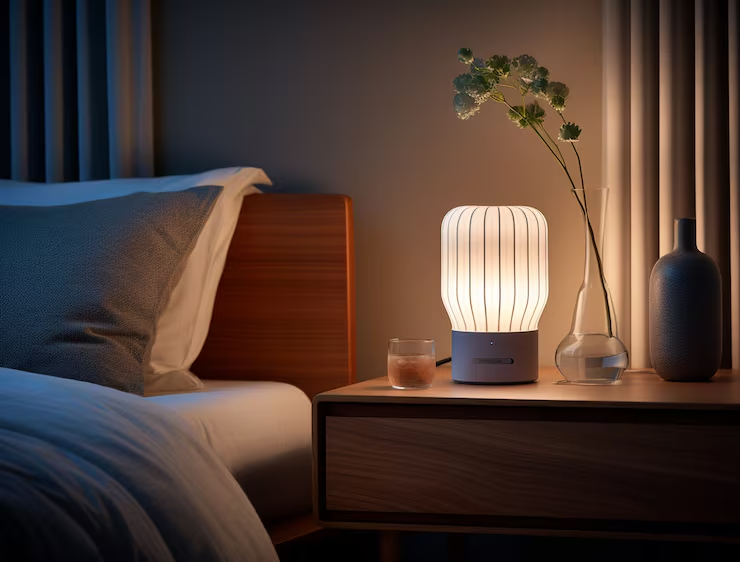
    Soft lighting bedroom ideas in 2025 work with your natural sleep cycle instead of just trying to look pretty. Smart lighting that changes color temperature during the day is becoming normal now.

    The whole point is lighting that works with how your body naturally wants to sleep and wake up. Bright bluish light in the morning wakes you up good; warm, dim light at night tells your body it’s time to sleep.

    Lighting layers that make sense:

    • Overhead lights with dimmer switches so you can adjust based on what time it is.
    • Reading lights that give you bright light for books without bugging your partner who’s trying to sleep.
    • Accent lighting to show off cool stuff in your room, like art or plants.
    • Natural light control with smart blinds or really good blackout curtains.

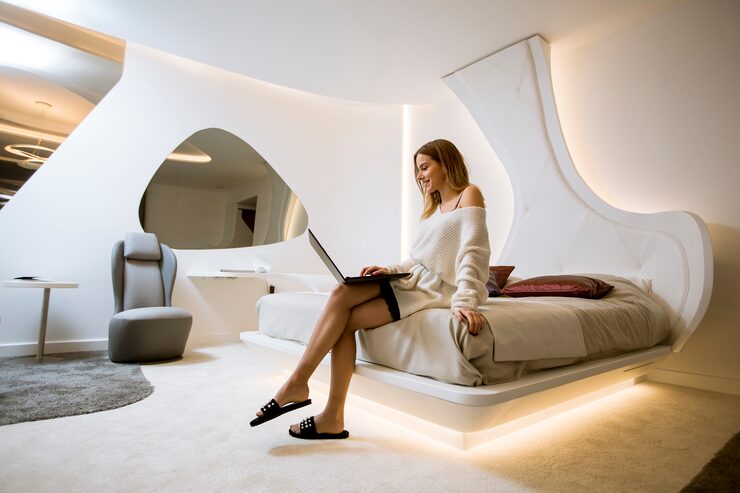
    LED strips behind headboards make soft light that’s perfect for getting around at night without messing up your sleep.

    Making It Personal Instead of Perfect

    Trending bedroom styles in 2025 are moving away from those perfect Instagram rooms toward spaces that feel like real people actually live there.

    That means using family pictures, stuff from trips, handmade things, and personal touches you can’t just buy at Target.

    Ways to make it yours:

    • Family photos in different old-style frames that tell your story instead of looking like a furniture store display.
    • Handmade blankets from relatives add texture and warmth plus emotional connection to the space.
    • Collections on floating shelves, like books or small plants, that show what you’re actually into.
    • Travel souvenirs worked into your decor without making everything look cluttered and crazy.

    Designers say clients specifically ask for “imperfect” stuff now, things that show wear or look handmade instead of mass-produced identical items.

    Paint Colors That Work Well

    Top Bedroom Design Trends of 2025 for a Calm & Cozy Retreat

    Bedroom paint colors 2023 trends that carried into 2025 focus on colors that actually help you chill out. The most popular trending bedroom colors aren’t just trendy; they’re picked because they help people sleep better.

    Cool colors like soft blues and greens naturally calm your brain down. Warm earth colors like terracotta and mushroom brown make rooms feel safe and cozy. Even trending bedroom wall colors like sage green have been proven to reduce stress.

    The main thing is picking colors that make you feel relaxed when you walk in your room. Bright, energizing colors might look good in pictures, but they can make it harder to wind down when it’s bedtime.

    How to Start Your Bedroom Makeover in 2025

    All these bedroom design trends for 2025 are trying to do one thing: create spaces that help you sleep better and feel more relaxed. It doesn’t matter if you’ve got a tiny apartment bedroom or a huge master suite; these ideas can work for any space and budget.

    Start with one big change, maybe a cool headboard or new paint colors, then build from there. The best bedroom makeovers happen slowly, so you can live with changes and see how they actually affect your sleep.

    Remember, trends are just ideas to get you started. Your bedroom should be about what makes YOU feel most peaceful and rested. You’re the one sleeping there every single night, so your comfort matters most.

    Ready to fix up your bedroom? These trends will help you make a room that looks good and actually helps you sleep way better.

  • Low-Cost Home Improvement Upgrades

    Low-Cost Home Improvement Upgrades

    Want to boost your home’s value without emptying your bank account? You’re in the right place. While your neighbors are taking out loans for massive kitchen remodels, smart homeowners are discovering creative budget home improvement hacks that deliver incredible returns for way less money.

    Here’s the reality: Americans spent around $603 billion on home remodeling in 2024, but most of that money went to expensive projects that don’t always pay off. The real secret? Some of the highest ROI home improvement projects cost less than your monthly grocery bill and can be finished in a single weekend.

    We’re talking about affordable renovation projects with returns over 190%. That means for every $1,000 you spend, you could see your home value increase by $1,900 or more. These aren’t complicated renovations that require contractors or months of construction mess. These are simple DIY home upgrades that any homeowner can tackle, yet they pack a serious punch when it comes to boosting property value and daily living enjoyment.

    Why Inexpensive Home Upgrades Work Better Now

    The home improvement market is changing fast. Smart homeowners are finding that small, cost-effective renovations can give amazing returns without breaking the bank. Three projects now have over 100% ROI in 2024, and 4 out of the top 5 projects are exterior work with 90%+ returns.

    The best part about DIY home upgrades? You don’t need loans or to live through months of construction mess. Most of these creative budget home improvement hacks can be done in a weekend but still make a huge difference in your home’s value.

    Exterior Home Renovations with the Best ROI

    When it comes to cost-effective renovations, exterior projects consistently deliver the highest returns. The front of your house is what people see first, and these upgrades create that crucial first impression that can make or break a sale.

    Replace Your Front Door

    Replacing your front door gives the highest return on investment, around 198% ROI for just $2,300. This affordable renovation is literally the first thing people see when they visit your house.

    An old, beat-up door makes your whole house look dated before anyone even walks inside. A new steel entry door does the opposite; it says “well-maintained home” right away.

    Why this home improvement works so well:

    • Instant curb appeal boost: First impressions matter a lot
    • Better energy efficiency: Doors have better insulation
    • Improved security: Modern locks and stronger materials
    • Low-maintenance: Steel doors don’t warp or rot like wood

    You can install it yourself if you’re handy, or hire someone. Either way, it takes less than a day but transforms how your house looks from the street.

    Garage Door Replacement

    Here’s something that might surprise you: garage door replacement has over 193% ROI, even though it costs around $4,500. Your garage door covers a huge part of your home’s front view, especially if it faces the street.

    An old, dented garage door makes even beautiful homes look neglected. A new one completely changes your property’s street appeal.

    Modern garage doors offer:

    • Smartphone connectivity, control from anywhere
    • Better insulation saves energy if the garage is attached
    • Enhanced security, stronger materials, and mechanisms
    • Many style options, from traditional to ultra-modern looks

    You’ll need professional installation because of the springs and electrical parts, but the visual impact happens immediately.

    Best Interior Home Upgrades on a Budget

    Low-Cost Home Improvement Upgrades

    Inexpensive interior home upgrades are perfect for homeowners who want to see immediate results without major construction. These projects focus on the details that you interact with daily, making your home feel fresh and updated from the inside out.

    Hardware Replacement

    One super quick DIY home upgrade is replacing cabinet pulls, drawer handles, and doorknobs with new stylish ones. You touch these things multiple times every day, so when they’re old or tarnished, it makes your whole kitchen feel outdated.

    Home decor on a budget breakdown:

    • Kitchen cabinet pulls: $3-15 each
    • Cabinet knobs: $2-10 each
    • Drawer slides if needed: $10-25 per drawer
    • Total kitchen makeover: $150-500

    The process is simple: measure your current hardware spacing, pick new styles, and swap them out. Most people can do an entire kitchen in one afternoon. The visual change is dramatic for minimal cost.

    Floating Shelves

    Floating shelves are perfect for creative budget home improvement hacks. They give you extra storage while showing off your favorite stuff. You can put them in living rooms, kitchens, or bathrooms. They’re cheap and easy to install, usually under $500 for a whole room.

    These shelves solve storage and style problems at once. In kitchens, they can replace upper cabinets for that open, airy look that’s trendy now. In living rooms, they display books, plants, and decorative items. In bathrooms, they add storage without taking up floor space.

    Key benefits:

    • Use wall space that’s usually wasted
    • Customize storage to fit your needs
    • Creates storage without looking heavy
    • Much cheaper than built-in cabinets

    You need to find wall studs for secure mounting, but the tools are basic, and the skills needed are minimal.

    Home Painting Projects That Pay Off Fast

    Low-Cost Home Improvement Upgrades

    Paint is hands down the most budget-friendly way to transform any space in your home. With just a few gallons and a weekend, you can completely change the look and feel of rooms that have been bothering you for years.

    Interior Wall Paint – Best DIY Makeover Under $200

    Nothing changes a space faster or cheaper than fresh paint. We’re not talking about painting the whole house; strategic home improvement painting can refresh your look for just a few hundred dollars.

    Focus on high-impact areas:

    • Accent walls: Create focal points in bedrooms or living rooms
    • Trim and doors: Fresh white makes everything look clean
    • Small bathrooms: Bold colors work great in powder rooms
    • Kitchen cabinets: If they’re solid, paint gives them new life

    The trick is using good quality paint. Cheap paint looks cheap and doesn’t last. Mid-grade paint from good brands covers better and lasts longer. For most interior jobs, expect $30-50 per gallon, and one gallon covers about 400 square feet.

    Don’t Ignore Ceilings – Color Trick That Adds Height

    Most people never think about ceiling paint, but it can dramatically change how rooms feel. Most ceilings are builder-grade flat white that looks dingy over time.

    Try these ceiling strategies:

    • Crisp white: Makes rooms feel taller and brighter
    • Same color as walls: Creates cozy, intimate feeling
    • Light gray: A modern alternative that hides imperfections better
    • Bold color: Works great in dining rooms or powder rooms

    The change is subtle but powerful. Rooms feel fresher and more intentional. Cost is minimal; one gallon usually covers most residential ceilings.

    Easy Lighting Upgrades for Modern Home Design

    Good lighting can make or break a room, but most homeowners don’t realize how outdated fixtures are dragging down their entire space. These on-budget home decor lighting upgrades deliver professional results without the professional price tag.

    Replace Outdated Lights

    Old light fixtures are like wearing clothes from 20 years ago; they immediately date your space. Replacing fixtures is one of the most cost-effective renovations to modernize your home.

    Focus on these areas:

    • Dining room chandeliers: Create dramatic focal points
    • Kitchen pendant lights: Modern task lighting over islands
    • Bathroom vanity lights: Better lighting and style
    • Entry fixtures: First impression lighting

    Most fixture replacements cost $50-300 each, and if you’re replacing the same type in the same spot, the electrical work is pretty straightforward. Modern fixtures make entire rooms feel updated immediately.

    Add Under-Cabinet LED Lighting

    Under-cabinet lighting might seem fancy, but it’s surprisingly affordable and makes kitchens feel high-end. LED strip lights have made this DIY home upgrade accessible to regular homeowners, with battery-powered or plug-in options available.

    Benefits include:

    • Better task lighting for food prep
    • Nice ambiance for evening entertaining
    • Makes kitchens feel expensive
    • Energy efficient: LED strips use very little electricity

    Installation ranges from simple stick-on strips to hardwired systems. Even simple options create a professional look that costs way more than it actually does.

    High ROI Home Renovation Projects to Prioritize

    Low-Cost Home Improvement Upgrades

    The secret to successful inexpensive home upgrades isn’t finding the cheapest materials or cutting corners. It’s about finding changes that give maximum visual and functional impact for your money.

    Refinishing hardwood floors consistently ranks as one of the top ROI home renovation projects. But even without hardwood floors, the projects we covered can transform your home’s look and value without needing a second mortgage.

    Remember, the best home improvement projects improve your daily life while you live there, not just when you sell. A new front door makes you happy every time you come home. Fresh paint makes spaces feel clean and intentional. Modern light fixtures improve how you see and use rooms.

    Start with one project that excites you most. Maybe it’s that steel entry door with incredible ROI or floating shelves to finally organize your living room. Whatever you choose, you’re improving your home and investing in your property’s future value.

    The best part? You can finish most of these creative budget home improvement hacks in a weekend, see immediate results, and still have money left for the next upgrade. That’s the power of smart, affordable renovation; sometimes the smallest changes really do make the biggest difference.

  • Modern Interior Design Inspired by Nature

    Modern Interior Design Inspired by Nature

    A construction worker got 17% more work done at his office after his company put in living green walls and let in more natural light. This isn’t just a marketing gimmick. Salesforce’s big office tower in San Francisco uses biophilic design elements like huge indoor green areas and natural light, and they saw a 17% jump in how much their employees got done. 

    The global interior design market is huge, and nature-inspired design is a major part of the interior design trends transforming our spaces. In 2024, the global interior design market hit $145.24 billion, and nature inspired interiors are leading this massive transformation.

    Biophilic design has gone from a trendy word to a real need in our world full of concrete. Americans now spend over 90% of their time inside, which makes our homes and offices super important for our mental health and focus.

    What is Nature-Inspired Interior Design?

    Nature-inspired interiors, also called biophilic design, are all about connecting people with nature through the rooms they live and work in. It’s way more than just putting a few plants in a room.

    Studies show that being around nature, even indoors, lowers stress, makes you more productive, and helps your body’s systems work better. This design style uses things like natural materials, lots of plants, water features, natural light, and colors you’d see outside.
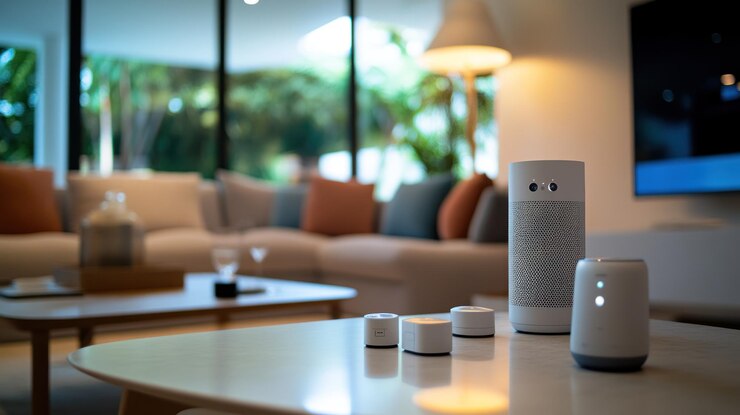
    This idea is more than just decorating. It’s about making spaces that actually make us feel and work better every day. Studies have even shown that patients in hospitals with biophilic design spend 8% less time there, proving it’s not just about looks.

    Key Parts of Nature-Inspired Design

    • Natural Materials: Using wood, stone, bamboo, and cork instead of fake stuff. Natural interior design is shifting to materials like bamboo, cork, hemp, cotton, and stone. Designers are moving away from artificial materials like plastics and laminate.
    • Living Elements: Plants, green walls, and even small water fountains bring actual life into a room.
    • Natural Light: Getting as much daylight as you can with big windows, skylights, and light-colored paint.
    • Organic Shapes: Curved furniture and flowing lines that look like the random shapes you see in nature.

    Why Do We All Crave Nature Indoors?

    Research shows that humans have a built-in need to be around nature. It’s called biophilia. Our brains are just wired to feel good in natural settings. When we see green plants or hear the sound of water, our stress levels go down and we can focus better. Employees who work in these kinds of spaces report being less stressed out.
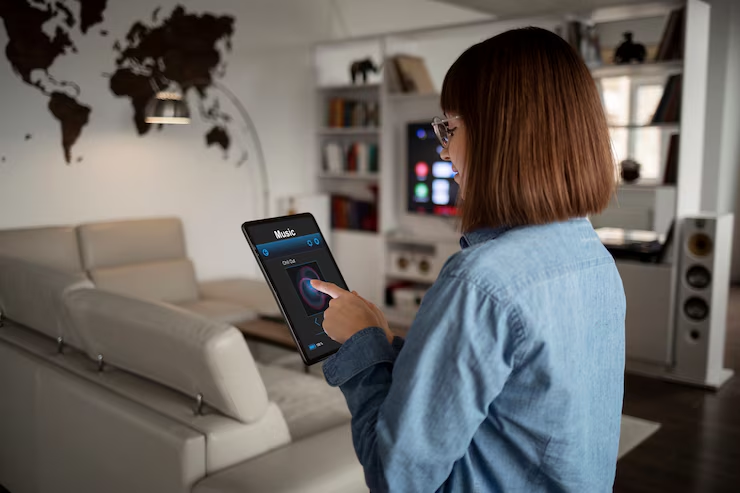
    This isn’t just a feeling—it leads to real health improvements. The boost in productivity from biophilic design isn’t fake news; it’s real science that businesses and homeowners are starting to pay attention to.

    Health Benefits That Are the Real Deal

    • Less Stress: Natural elements can lower your stress hormones and blood pressure in just a few minutes.
    • Cleaner Air: Live plants are great at filtering out bad stuff from the air and adding more oxygen.
    • Better Sleep: Getting natural light during the day helps keep your body’s natural sleep clock on track.
    • More Creativity: The organic shapes and textures in nature wake up different parts of our brain than straight lines and perfect squares do.

    Popular Natural Materials in Modern Homes

    Modern Interior Design Inspired by Nature

    The move to natural materials is happening fast. The demand for sustainable interior design is growing like crazy. Here’s what people are actually using in their homes and offices.

    • Wooden Interior Design: Reclaimed wood, live-edge tables, and wood ceiling beams add a warm and textured feel. Oak, walnut, and cedar are popular choices.
    • Stone and Concrete: Natural stone countertops and river rock accent walls create a solid, grounding look.
    • Bamboo: This fast-growing grass is great for floors and furniture. It’s super strong and grows back quickly, making it a great eco-friendly interior design choice.
    • Natural Fabrics: Hemp, linen, and organic cotton are replacing synthetic fabrics for couches, curtains, and rugs.

    Bringing Plants and Greenery Inside

    One of the best modern interior design ideas inspired by nature is simply adding plants. They can turn a boring room into a living, breathing space. Plants aren’t just for looks; they clean your air and boost your mood.

    • Living Walls: These vertical gardens look amazing and are great for air quality. They can fit in a small apartment or a huge office.
    • Putting Plants in the Right Spot: Bathrooms are great for ferns that love humidity. Offices are perfect for succulents that don’t need much care.
    • Herb Gardens: A small herb garden in your kitchen gives you fresh ingredients and makes the room smell great.

    Easy Plants That You (Probably) Can’t Kill

    • Snake Plants: Almost impossible to kill. They do well in low light and are awesome at cleaning the air.
    • Pothos: A fast-growing vine that looks great in hanging pots or trailing down from a shelf.
    • Peace Lilies: They have pretty white flowers and will literally droop to tell you when they need water.

    Color Palettes That Look Like the Outdoors

    Nature-inspired colors are more than just green and brown. Think about all the colors you see outside—from ocean blues and sunset oranges to the dark shadows in a forest. Check some of the best color palettes, which you can use for your interior design. 

    • Earth Tones: Warm browns, terracotta, and clay colors are great for walls and big furniture.
    • Forest Greens: Deep hunter green and sage work well for accent colors that aren’t too loud.
    • Sky Blues: Soft, calm blues are perfect for bedrooms and bathrooms.
    • Sunset Warmth: Rust, amber, and warm oranges add energy to living rooms and kitchens.

    Creating Natural Light and Airflow

    Modern Interior Design Inspired by Nature

    Good biophilic design uses natural light and fresh air to make a building more energy-efficient.

    • Window Treatments: Sheer curtains let light in while still giving you privacy. Bamboo blinds are a great natural option.
    • Mirrors: A well-placed mirror can bounce light into darker parts of a room.
    • Lighter Surfaces: White or cream walls reflect the light you have, making any room feel brighter.

    Budget-Friendly Ways to Add Natural Elements

    You don’t need to do a full remodel to try this modern interior design trend. As we look at interior design trends for 2025, biophilia will still be a huge theme, and there are cheap ways to do it.

    • DIY Plant Cuttings: Grow new plants from cuttings of ones you or a friend already have.
    • Add Natural Textures: Woven baskets, wooden bowls, and cool-looking stones are cheap ways to add natural touches.
    • Seasonal Branches: Go outside and cut a few nice-looking branches to put in a vase. Free decor!
    • Jute Rugs: A natural fiber rug like jute is much cheaper than new hardwood floors.

    The Future of Nature-Based Design

    Modern Interior Design Inspired by Nature

    Biophilic design is more than a trend; it’s a shift toward healthier and more sustainable homes. It’s a huge part of why the interior design market is growing.

    We’re starting to see smart tech mix with natural design. Think about automatic watering systems for your plants or lighting that changes during the day to match the sun. New sustainable interior design materials like mushroom leather are also on the way.

    The link between our homes and our health is too strong to ignore. Nature-inspired interiors are about creating places where we can feel our best. Whether you start small with one plant or redesign your whole house, bringing nature inside is an investment in your own health and happiness.Want more home improvement tips? Check out our other guides on interior design trends for professional advice and inspiration

  • Inspiring Dining Room Ideas and Expert Tips

    Inspiring Dining Room Ideas and Expert Tips

    According to industry research group Freedonia, casual dining table shipments will grow 2.4% annually through 2025. Even the demand for dinner packaging is expected to increase 4.3% annually through 2027 to $1.9 billion. This shows American homeowners are investing more than ever in creating functional dining room spaces that work for modern life. Your dining room doesn’t have to sit empty except for holidays anymore.

    The dining room trends of 2025 are all about making these spaces work harder for families. Let’s take you into expert-backed ideas that’ll transform your dining area into something you will actually use every day.

    Multi-Functional Spaces: Your Dining Room Works Overtime

    The biggest shift in modern dining room design is how these spaces serve multiple purposes. They’re not just for eating anymore—they’re home offices, kids’ homework stations, and family game night headquarters all rolled into one.

    Trending dining room styles this year focus on flexibility. Here’s what actually works:

    • Smart Storage Solutions: Built-in banquettes with storage underneath can hold everything from board games to extra table linens. A good sideboard doesn’t just show off your dishes; it hides office supplies when your table becomes a workspace during the day.
    • Mix Your Seating: Don’t stick to just dining chairs. Modern dining table setups often include a mix of chairs, a bench on one side, or even a small sofa. This creates a more relaxed vibe that works for both dinner and hanging out.
    • Tech-Ready Setup: Install outlets at good heights for laptops. Get pendant lights that adjust up and down: bright for homework, dim for dinner parties.

    Also Read: Easy Home Decor Ideas for Your Indoor Plants

    Colors That Actually Make Food Look Good

    The all-white dining room trend is pretty much over. Dining room trends are moving toward warmer colors that make the space feel cozy and inviting.

    Bold Wall Colors Work Deep blues, forest greens, and warm terracotta colors create intimacy and actually make food look more appealing. Plus, these colors hide fingerprints and scuffs way better than white walls do.

    Layer Different Textures Mix materials to add interest:

    • Textured wallpaper on one accent wall
    • Woven placemats and table runners
    • Mix wood and upholstered chairs
    • Soft curtains that help with noise

    This creates visual interest without making the room feel cluttered or overdone.

    Furniture That Works for Real Families

    Inspiring Dining Room Ideas and Expert Tips

    Curved seating is curved, and bouclé chairs are big in upcoming dining room furniture trends. They’re not just trendy; they’re actually more comfortable for longer family meals and conversations.

    Mix and match is okay. You don’t need everything to match perfectly anymore. Dining room sets are becoming less popular than mixing different pieces that work together.

    Try these combinations:

    • Vintage table with modern dining room chairs
    • Different chair styles in the same color
    • Mix wood tones and finishes
    • Combine formal and casual pieces

    Tables That Grow: Extendable tables are smart for families. Round tables work better in smaller spaces and help conversation flow. Rectangular tables work better for bigger families and when you’re entertaining.

    Lighting That Changes Everything

    Good lighting can make or break your dining room inspiration. You need three types working together.

    Layer Your Lighting

    • Ambient lighting: Overall room light from ceiling fixtures
    • Task lighting: Focused light for activities like homework
    • Accent lighting: Decorative elements like candles or table lamps

    Statement Fixtures: Your chandelier should hang 30-36 inches above your table. For long rectangular tables, consider multiple smaller pendants instead of one big fixture.

    Dimmers Are a Must-Have: Install dimmers on everything. Bright light works for daytime activities, and dim warm light creates the right mood for dinner.

    Also Read: Adaptive Lighting Systems That Respond to Mood, Time, and Activity

    Storage That Doesn’t Look Like Storage

    There are many storage options that look like a design trend. Like, the custom built-ins maximize space and look like they belong in your house. The floor-to-ceiling storage gives you room for dishes, serving pieces, and seasonal stuff.

    Stylish Sideboards: A good sideboard does multiple jobs:

    • Display space for nice things
    • Storage for table linens and dishes
    • Serving surface during parties
    • Hidden storage for dining room essentials

    Open Display Ideas

    • Open shelving for pretty dishes and glasses
    • Wine storage that looks designed
    • Floating shelves for seasonal decorations
    • Glass-front cabinets that protect while showing off

    How to Decorate a Small Dining Room

    Small dining rooms need different strategies to feel spacious and functional. This should be designed in a way that looks classy and even saves you a lot of space. Check the tips on how to decorate a small dining room. 

    Space-Maximizing Tricks

    • Use mirrors to reflect light and make the room feel bigger
    • Choose chairs that push all the way under the table
    • Round tables take up less visual space than rectangular ones
    • Use vertical storage to draw eyes upward

    Keep It Light and Bright

    • Paint walls in light, warm colors (not stark white)
    • Use sheer window treatments for maximum natural light
    • Add metallic accents that bounce light around
    • Keep surfaces clear of clutter

    Multi-Purpose Solutions In small spaces, everything needs to do double duty. Ottoman storage, drop-leaf tables, and wall-mounted fold-down desks all help maximize what you can do in limited space.

    Also Read: How to Plan a Modular Kitchen: Layouts That Work

    Add Natural Elements and Sustainability

    Inspiring Dining Room Ideas and Expert Tips

    Bringing the outdoors in: dining room ideas for 2025 include lots of natural materials. Reclaimed wood tables, stone accents, rattan chairs, and natural fiber rugs all add warmth and texture.

    Plants That Work Add greenery that actually thrives in dining rooms:

    • Low-light plants like pothos or snake plants
    • Herb gardens on windowsills for cooking
    • Fresh flowers as regular centerpieces
    • Large plants in corners for dramatic effect

    Sustainable Choices

    • Buy vintage or antique furniture instead of new.
    • Choose locally made pieces when possible.
    • Pick furniture made from sustainable materials
    • Invest in quality pieces that’ll last decades.

    Creating Different Activity Zones

    The Eating Zone: Position your table to encourage conversation. Don’t put it directly facing a TV that kills dinner table talk.

    The Work Zone: If your dining room doubles as an office, create some visual separation with a room divider or screen. Use different lighting for different times of day.

    The Display Zone: Dedicate wall space for family photos, artwork, collections, and books. This personalizes the space and makes it feel lived-in.

    Budget-Friendly Updates That Make a Big Impact

    Inspiring Dining Room Ideas and Expert Tips

    You don’t need to spend thousands to refresh your dining room. Focus on these high-impact, lower-cost changes:

    Easy Updates

    • Paint an accent wall in a bold color
    • Update light fixtures
    • Add new window treatments
    • Refinish existing furniture instead of buying new

    DIY Projects

    • Reupholster dining chairs
    • Create your own artwork
    • Build simple floating shelves
    • Refinish a thrift store table

    Making Your Dining Room Personal

    Your modern dining room should reflect how your family actually lives. Don’t follow every trend; pick the ones that make sense for your lifestyle.

    Ask yourself:

    • How do we really use this room?
    • What activities happen here besides eating?
    • What mood do we want?
    • What stuff do we have that should be displayed?

    The Bottom Line

    Creating an inspiring dining room isn’t about having the biggest budget or following every single trend. It’s about understanding how your family lives and making a space that supports those activities.

    Start with one thing, maybe new lighting or adding storage and build from there. The best dining rooms get used and loved every day, not just saved for special occasions.

    Dining room trends for 2025 are all about creating spaces that work for real life while still looking good. With these tips, you can create a room that handles everything from Tuesday night homework to holiday dinners with equal style.

    Want more home improvement tips? Check out our other guides on interior design trends for professional advice and inspiration.

  • How to Choose the Perfect Paint Colors for Your Home

    How to Choose the Perfect Paint Colors for Your Home

    According to Zillow’s 2024 paint color analysis, buyers pay on average $2,512 more when a house has a kitchen painted in the moody gray hue. This statistic shows that choosing the right paint colors for your home isn’t just about making your space look good; it’s about adding real money to your property value.

    Research shows that in the first 20 seconds of visual senses capturing information, color takes up about 80% of what people notice. This means your house paint colors are literally the first thing people see and judge your home by. Whether you’re planning to sell soon or just want to enjoy your space more, getting your colors right is super important.

    Understanding Color Psychology for Better Living

    Color psychology affects how you feel every single day in your home. Studies prove that warm colors like red and yellow make people feel energetic and excited, while cool colors like blue and green help you relax and feel calm. This isn’t just design talk; there’s real science behind it.

    The psychological impact of wall paint color ideas goes way deeper than most homeowners think. Light colors make rooms feel bigger and more open, while dark colors can make spaces feel smaller but cozier. When you’re picking colors, you’re basically choosing how you want to feel in that room every day.

    How Different Colors Affect Your Mood

    Here’s what research tells us about how to choose paint colors based on their psychological effects:

    Warm Colors (Reds, Oranges, Yellows):

    • Make you feel more energetic and active
    • Create a cozy, intimate feeling
    • Red actually makes people hungrier—that’s why it works great in dining rooms.
    • Can make your heart beat faster (not kidding!)

    Cool Colors (Blues, Greens, Purples):

    • Help you relax and feel peaceful
    • Make rooms look bigger than they actually are
    • Blue helps you sleep better and reduces stress.
    • Green connects you with nature and makes you feel balanced.

    Neutral Colors (Whites, Grays, Beiges):

    • Never go out of style
    • Let your furniture and art stand out.
    • Easy to redecorate around
    • Most buyers like them.

    How to Boost Home Value with Smart Color Choices

    How to Choose the Perfect Paint Colors for Your Home

    Your house colors can add thousands of dollars to your home’s value. According to research, choosing the right color to paint your walls can impact your bottom line as much as $5,000. That makes painting one of the cheapest ways to increase your home’s worth.

    Real estate data shows some clear winners when it comes to home color combination choices. Painting your front door black may increase home value by up to $6,500. But it’s not just the front door; every room matters for your home’s overall appeal.

    Colors That Add Money vs. Colors That Cost You

    High-Value Paint Colors:

    • Moody gray in kitchens and living rooms
    • Soft neutrals throughout the whole house
    • Black front doors for maximum curb appeal
    • Sage green for bedrooms and bathrooms

    Colors That Turn Buyers Away: 59 percent of interior designers and home stagers said that red turns away buyers. Other colors to avoid include:

    • Bright yellows (too overwhelming)
    • Bold purples (too personal)
    • Orange accent walls (hard to match)
    • Dark colors in main living areas

    The trick is remembering that while you might love that bright pink bedroom, potential buyers probably won’t. Today’s buyers want homes that feel fresh, modern, and relaxing.

    Room-by-Room Color Guide

    Different rooms need different colors because they serve different purposes. Here’s how to pick the best paint for your home in each space.

    Living Room Colors That Work

    Your living room is where families hang out and guests visit. Using moody gray in the living room can increase home offers by $1,755 more, according to recent real estate data.

    Best Living Room Options:

    • Warm grays for a modern look
    • Soft blues for relaxation
    • Cream and off-white for timeless style
    • Light greens for a natural feel

    Living Room Tips:

    • Use lighter colors to make the space feel bigger
    • Try darker accent walls behind TVs or fireplaces
    • Think about how much natural light the room gets
    • Test colors at different times of day

    Kitchen Color Strategies

    Kitchens are super important for home value. Buyers pay an average of $2,512 more when a house has a kitchen painted in moody gray. This makes kitchen color choice really important for both daily use and resale value.

    Kitchen Color Guidelines:

    • Light colors make small kitchens look bigger
    • Warm whites create a clean, fresh look
    • Soft grays add modern style
    • Light blues work great with white cabinets

    Don’t forget about popular kitchen cabinet colors when planning your wall colors. White cabinets are still the most popular choice, followed by gray and natural wood tones.

    Bedroom Paint Ideas

    Bedrooms should help you sleep and relax. The best bedroom colors are ones that make you feel calm and peaceful. Research shows that lighter shades create the visual illusion of more space.

    Top Bedroom Color Choices:

    • Soft blues for better sleep
    • Gentle greens for natural calm
    • Warm grays for sophisticated comfort
    • Light lavender for stress relief

    Bedroom Color Tips:

    • Avoid bright, energetic colors that might keep you awake
    • Consider blackout curtains if you choose lighter colors
    • Test colors in both morning and evening light
    • Remember that you’ll see these colors first thing when you wake up

    Exterior Paint Colors That Make a Difference

    How to Choose the Perfect Paint Colors for Your Home

    Exterior paint colors are just as important as interior ones. Your home’s outside appearance creates the first impression for neighbors, guests, and potential buyers. According to real estate experts, the right exterior color can add up to 7% to your home’s value.

    Popular Exterior Color Combinations:

    • White with black trim: classic and timeless
    • Gray with white trim: modern and sophisticated
    • Navy blue with white trim: bold but appealing
    • Beige with cream trim: warm and welcoming

    Exterior Color Mistakes to Avoid:

    • Colors that clash with your roof
    • Bright colors that fade quickly
    • Colors that don’t match your neighborhood style
    • Using too many different colors

    Practical Tips for Choosing Paint Colors

    When you’re ready to pick your paint colors for home, don’t just grab colors based on tiny paint chips. Here’s how professionals do it:

    Testing Colors the Right Way

    Steps for Testing Paint:

    • Buy sample sizes and paint big squares (at least 2×2 feet).
    • Paint samples on different walls to see how light changes them
    • Look at colors in the morning, afternoon, and evening
    • Live with the samples for at least a week

    Understanding Undertones

    Every paint color has undertones, hidden colors that show up in different lighting. This is super important when figuring out how to choose paint colors that look good together.

    Common Undertones:

    • Warm undertones: red, yellow, and orange hints
    • Cool undertones: blue, green, and purple hints

    Coordinating Colors Throughout Your Home:

    • Pick one main neutral for most rooms
    • Use different shades of the same color family
    • Keep trim colors consistent
    • Add personality with colorful accessories, not walls.

    Making Your Final Decision

    How to Choose the Perfect Paint Colors for Your Home

    After thinking about psychology, home value, and room function, it’s time to choose your final house paint colors. The US house painting market was valued at $24.4 billion in 2024, showing just how much Americans spend on getting their colors right.

    Your perfect paint colors should:

    • Match your personal style but appeal to most people
    • Work with your home’s style and existing features
    • Create the right mood for each room
    • Consider whether you plan to sell soon.

    Final Tips:

    • Don’t rush the decision: good paint jobs last 5-10 years.
    • Consider hiring a color consultant for expensive homes.
    • Remember that paint is one of the cheapest ways to update your home.
    • When in doubt, go with neutrals: you can always add color with decor.

    The right wall paint color ideas can completely change how your home looks and feels. Take time to research, test your choices, and don’t be afraid to ask for help. Your walls are waiting for the perfect colors to make your house feel like home.

    Want more home improvement tips? Check out our other guides on interior design trends for professional advice and inspiration.

  • Voice-Controlled Living: How Smart Assistants Are Changing Home Automation

    Voice-Controlled Living: How Smart Assistants Are Changing Home Automation

    “Turn off all the lights and lock the door.” These simple words can now control your entire home. Voice-controlled home automation has grown from a futuristic concept to an everyday reality for millions of Americans. The number of digital voice assistants in use has jumped from 4.4 billion in 2022 to an expected 8.4 billion by 2024, showing just how fast this technology is taking over our homes.

    Smart voice assistants are not just cool gadgets anymore. They’re like the brain for modern smart homes, making everything from your lights to your security work together. This isn’t just about being lazy—it’s changing how we live completely.

    The Rise of Voice-Controlled Home Automation

    The market for voice-controlled home automation is growing super fast. The market for voice AI in smart homes is expected to be worth around $514.62 billion by 2034. That’s way up from $12.7 billion in 2024. This huge growth shows that people really want this.

    Smart voice assistants can do way more than just play music now. They’re now controlling hands-free smart devices all over the house. By the end of 2023, 126 million homes in Europe and North America were “smart.” This shows it’s not just a cool trend; it’s becoming normal. 

    Home automation with voice commands started out simple, like turning lights on and off. Now, these systems can run your whole morning routine, change the temperature, check your cameras, and even start your coffee pot before you’re out of bed.

    How Do Smart Voice Assistants Change Daily Life?

    Voice-activated home systems have made controlling your home’s feel super easy. Instead of walking around flipping switches or turning dials, you can just talk. Smart speakers for automation can dim the lights for a movie, turn up the heat, and even change the light color to match your mood.

    Effortless Smart Lighting and Climate Control

    Google Home integration lets you control a bunch of devices with just one command. You can say “Good morning,” and your lights will slowly turn on, the heat will go to your favorite temperature, and your blinds will open. This stuff wasn’t possible a few years ago, but now it’s pretty standard.

    Improve Home Security with Voice-Activated Home Systems

    Voice-controlled home automation has made home security way easier to use. Alexa voice control can turn on your security system, show you your camera feed, and lock the doors. You don’t have to remember any codes or mess with an app. The market for smart security is expected to grow from $4.5 billion in 2020 to $12.5 billion by 2025. AI-powered virtual assistants can also help if there’s an emergency, letting you call for help with a simple command.

    The Technology Behind Home Automation with Voice Commands

    Voice-Controlled Living: How Smart Assistants Are Changing Home Automation

    Modern smart voice assistants use fancy tech to get what you mean. You don’t have to say the exact perfect words anymore. They can figure out that “make it warmer” means turn up the heat, or “dim the lights” means make it less bright.

    Natural Language: How AI-Powered Virtual Assistants Understand You

    AI-powered virtual assistants also learn from you. They remember you like the house at 28 degrees in the morning and 26 at night. This makes voice-controlled home automation feel like it really knows you.

    Device Integration: The Power of IoT with Voice Control

    The real power of IoT with voice control is getting all your stuff to connect. Smart speakers for automation can now control hundreds of different brands and types of devices. It doesn’t matter if it’s a fridge, a garage door, or a security camera—your voice assistant is the boss. Google Home integration and Alexa voice control systems work with thousands of devices, so you don’t need a bunch of different apps or remotes.

    Top Benefits of Smart Living with Voice Assistants

    The biggest plus is that it’s just so convenient. The number of people in the US using voice assistants will grow from 145.1 million in 2023 to 170.3 million in 2028. People love hands-free smart devices because they make life easier. It’s especially helpful for older people or anyone who has trouble moving around.

    Energy Efficiency and Cost Savings

    Voice-activated home systems can really lower your energy bills. Smart thermostats learn when you’re home and adjust the heat. Smart lights make sure they turn off when you leave a room. Homeowners usually save 10-15% on their energy bills after they set up a full voice-controlled home automation system.

    Energy Efficiency and Cost Savings

    Voice-activated home systems can significantly reduce energy bills by optimizing how and when devices operate. Smart thermostats learn when rooms are occupied and adjust temperatures accordingly. Automated lighting systems ensure lights are only on when needed.

    Homeowners typically see 10-15% savings on their energy bills after implementing comprehensive voice-controlled home automation systems. These savings help offset the initial investment costs over time.

    Improved Safety and Peace of Mind

    Smart voice assistants give you safety features right away. In an emergency, you can turn on alarms or call for help with just your voice. You can also check on your house when you’re not there. Parents can check on the babysitter, and pet owners can see what their dog is up to.

    Comparing Popular Smart Speakers for Automation

    Voice-Controlled Living: How Smart Assistants Are Changing Home Automation
    • Alexa voice control is the biggest one in the American smart home market. It works with most devices. 21.2% of people will use Alexa this year. It has a ton of skills and works with so many other companies.
    • Google Home integration is really good at understanding what you mean, even if you say it in a weird way. It’s great for complicated tasks and connects perfectly with all of Google’s other stuff. It’s great for families who want to control their home and ask questions using voice tech for smart homes.
    • A smart home with Siri and Apple HomeKit is all about privacy and security. It’s for people who really care about their data being safe. It doesn’t work with as many devices, but it’s super secure and works perfectly if you already have Apple products.

    Market Growth and the Future of Voice Tech for Smart Homes

    The voice-controlled home automation market shows no signs of slowing down. The voice control smart home market size was valued at USD 108.72 billion in 2024 and is expected to reach USD 2.66 trillion by 2037, registering around 27.9% CAGR. This tremendous growth reflects increasing consumer adoption and technological advancement.

    AI-powered virtual assistants will continue becoming more intuitive and responsive. Future systems will predict user needs, automate routine tasks without prompting, and provide more natural conversational interactions.

    Challenges and Considerations for Smart Homes

    Voice-Controlled Living: How Smart Assistants Are Changing Home Automation

    There are few challenges which one can face while considering for the Smart Homes. One can check the below mentioned some common challenges which one might can face if they are planning for the smart home. 

    • Privacy and Security Worries: Voice-activated home systems make some people worry about privacy, since they are always listening for a “wake word.” People worry about who is listening and what they’re doing with the data. Companies are trying to fix this by letting you process things locally on the device.
    • Cost and Setup Complexity: Setting up a full voice-controlled home automation system can cost a lot of money and might even need a pro to install it. Figuring out what works with what can be a headache for some people.
    • Technical Limitations: Today’s smart voice assistants still mess up sometimes. They can get confused by background noise or if two people talk at once. The tech is way better, but it’s not perfect.

    Final Thought: How to Choose Your Voice Assistant

    The future for voice control looks amazing. Smart living with voice assistants is becoming a normal part of how we build and live in our homes. When you are selecting the best voice assistant for home automation, consider your existing devices, privacy preferences, and specific needs.

    • Alexa voice control has the most device options.
    • Google Home integration is better at understanding you.
    • A smart home with Siri is best if you want top-notch privacy.
  • Adaptive Lighting Systems That Respond to Mood, Time, and Activity

    Adaptive Lighting Systems That Respond to Mood, Time, and Activity

    The market for smart lighting systems was huge in 2023, making over $14 billion. And it just keeps getting bigger by 15% every year. These are not your normal fancy light bulbs anymore. Adaptive LED lighting is changing our homes by automatically changing the light for how we feel, the time of day, and what we’re doing.

    Studies even show that people who use intelligent home lighting at their office jobs get 19% more work done in only three weeks. The lights get dimmer for video calls and brighter when they need to focus on something. 

    Energy-efficient smart lights can also save a lot of money on your electric bill. LED lights with smart controls can use 60-80% less energy. The best part? They don’t have to program anything. The system just learns what they like.

    What Is a Smart Lighting System and How Does It Work?

    Mood-based lighting solutions are a big step up from the smart bulbs you already know. These systems use sensors, AI, and even data about your body to make personalized lighting experiences. The light changes all day based on what you need and how you feel.

    The tech uses different data to make its smart choices. Motion sensors know when you’re in a room, light sensors check the sunlight from outside, and some systems can even check your heart rate or use a camera to see your mood.

    Main Components of a Modern Smart Lighting System

    Modern automated lighting control systems have a few key parts that work together:

    • Circadian rhythm lighting is a big one. It follows your body’s natural sleep clock. It changes the color and brightness of the light to match the time of day. Even though it’s great for your health, less than 0.5% of lights sold today do this. That means there is a lot of room for it to grow.
    • Biometric sensors let the lights react to you. The market for these sensors was worth $2.09 billion in 2024 and should grow almost 20% every year until 2030. More people are putting these in their homes.
    • AI-powered lighting learns what you do over time. It figures out your schedule for work, relaxing, or sleeping. The system gets smarter and smarter at knowing what you want, so you don’t have to mess with settings.

    How Does Smart Lighting Affect Mood

    Adaptive Lighting Systems That Respond to Mood, Time, and Activity

    The link between light and your mood is not just marketing talk; it’s real science. Circadian rhythm lighting is tied to your mood, mental health, and even seasonal depression. Your brain has a master clock that is very sensitive to light.

    When tunable white lighting systems change color and brightness throughout the day, they’re helping your body’s natural clock. This isn’t just about comfort; it changes how your brain works.

    Better Daily Performance

    Research shows bright, cool light (like daylight) during the day makes you more alert and helps you think. Warm, soft light at night helps your body make melatonin so you can sleep better.
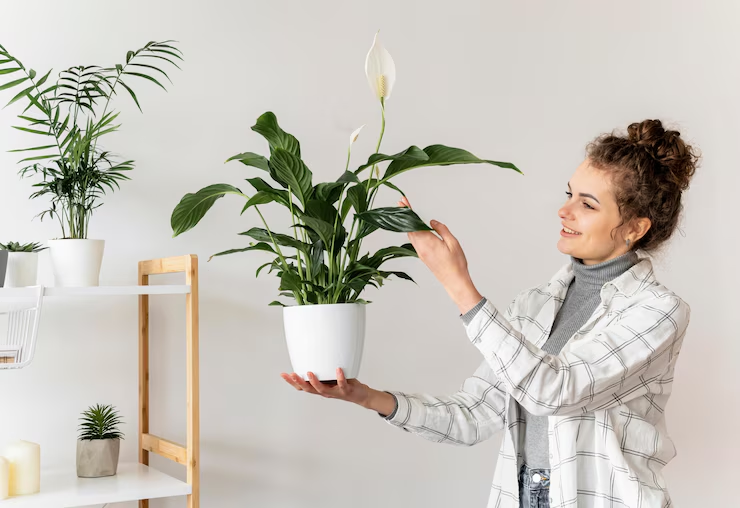
    The productivity gains are real. Workers with adaptive LED lighting do 15-20% better work compared to people with normal office lights. The key is to match the light to the task.

    Mood control with lights can really help people who get depressed in the winter. Studies showed that better lighting helped people sleep 10 minutes longer each night over two years and made them feel less depressed long-term.

    Automated Lighting Control: Time-Based and Activity-Based Adjustments

    The best smart lighting systems don’t wait for you to tell them what to do. They use automated lighting control to know what you need based on the time. It makes your daily routine feel smoother.

    Your morning can be better with lights that slowly get brighter like a sunrise. Instead of a loud alarm and a bright light in your face, the lights can start getting brighter 30 minutes before you wake up.

    Setting Up Your Own Light Schedule

    Work hours are better with bright, cool lighting to keep you focused. An activity-based lighting setup can see when you’re at your desk and change the lights for you.

    For your evening wind-down, you need lights to get warmer and dimmer. Smart dimming solutions can start this change a couple hours before bed, shifting from daylight colors to a warm, cozy amber light that won’t mess up your sleep.

    Weekend patterns are usually different than weekdays, and smart systems learn that. They might make the “sunrise” later on Saturday or keep the lights dim and cozy longer on a lazy Sunday.

    Smart Lights That Change Based on What You’re Doing

    The coolest part of modern intelligent home lighting is how it knows what you’re doing. An activity-based lighting setup makes your lights an invisible helper.

    Cooking needs bright, focused light on your counters. Smart systems can see you’re in the kitchen and brighten up the task lights but keep the rest of the room softer.

    Reading needs a different light than watching TV. IoT smart lighting can connect to your TV or use sensors to see if you’re watching a screen. It will then dim the room lights to stop eye strain.

    Exercise and Relax Modes

    • Workout lighting should be bright and give you energy. Systems can connect to your fitness watch and turn on bright, cool lights when you start exercising.
    • Yoga or meditation is better with warm, dim lighting. Some systems can even make the lights slowly fade in and out to match your breathing.
    • Entertainment modes change for what you’re watching. Movie night gets dim home ambiance lighting, and video games might get colorful lights that flash with the action on screen.

    Voice Control Lights and How They Work?

    Adaptive Lighting Systems That Respond to Mood, Time, and Activity

    Voice-controlled lights are pretty common now in most smart lighting systems. You can just say “dim the lights for a movie,” and the system knows the perfect setting.

    It works with Alexa, Google, and Siri, so these personalized lighting experiences are for everyone. You don’t have to be a tech expert.

    Smart dimming solutions work great with your voice. The system remembers what you like for different commands, so it feels easy and natural.

    Adaptive LED Lighting Market Growth 

    The adaptive LED lighting market is getting huge because people get the health benefits. The circadian rhythm lighting market was valued at $376.37 million in 2024 and is expected to hit $1,618.33 million by 2032.

    This is because people care more about their health, more people work from home, and the parts for smart lighting systems are getting cheaper. This tech is now affordable for normal people.

    Installation and Setup: Is Smart Lighting Hard to Install?

    Putting these lights in an old house, or retrofitting existing homes can be hard and expensive. But many systems now are wireless, which makes it easier.

    The learning curves can be a problem for some people. The best AI-powered lighting systems let you override the automatic settings, so you’re still in control while it learns what you like.

    Homes, Hospitals, and Companies Using Smart Lighting

    • Big companies like Google use adaptive LED lighting in their offices. They use circadian rhythm lighting and say their workers are happier and less tired.
    • Hospitals use mood-based lighting solutions to help patients get better. Studies show patients heal faster and need less medicine when the light is right.
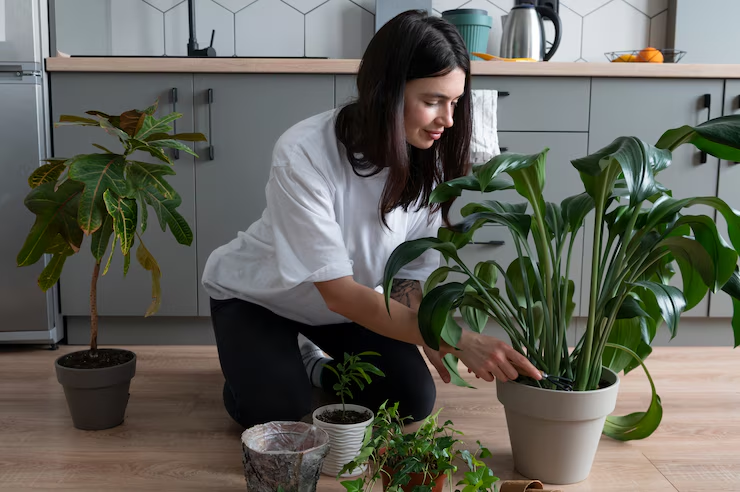
    • Home case studies also show great results. In one study of 200 homes with smart lighting systems, 78% of people said they slept better, and 82% said they would never go back to regular lights.

    What’s Next for AI-Powered Smart Lighting?

    The next version of AI-powered lighting will watch you even closer. Future systems might check your breath or skin temperature to change the lights for your exact body needs.

    AI will make these systems guess what you need before you do. They’ll look at your calendar, the weather, and what you usually do.

    Integration with smart home ecosystems will mean your intelligent home lighting will work with your heat, security, and TV to make the perfect environment for anything.

    How to Get Started with Smart Lighting at Home?

    Adaptive Lighting Systems That Respond to Mood, Time, and Activity

    It’s easier and cheaper now to get started with smart lighting systems. You can install basic mood-based lighting solutions yourself. More advanced circadian rhythm lighting might need a professional.

    Voice-controlled lights make it simple to use every day. Start small with a few smart dimming solutions and grow to full home ambiance lighting once you know what you like.

    Conclusion

    Adaptive LED lighting is more than a cool gadget—it’s about making our homes healthier. As they get smarter and cheaper, they are becoming a key part of a healthy home.

    The proof is clear: good lighting makes a big difference for our mood, sleep, and work. These personalized lighting experiences offer real solutions that learn and grow with you. The future of lighting is not just smart—it’s intelligent, and energy-efficient smart lights are lighting the way.

  • How to Plan a Modular Kitchen: Layouts That Work

    How to Plan a Modular Kitchen: Layouts That Work

    Think about your current kitchen. Is there a “junk drawer” that’s become a black hole for random stuff? Is there an awkward corner cabinet where pot lids go to disappear forever? Do you find yourself doing a frantic little dance between the fridge, the sink, and the stove every time you try to cook a simple meal? If you nodded along to any of that, you’re not alone.

    This is precisely why the old-school, one-size-fits-all kitchen is dying. It’s not just a feeling; the numbers back it up. The US modular kitchen market was valued at a whopping USD 8.35 billion in 2024 and is on track to hit USD 12.21 billion by 2032. That’s a steady 5.20% growth year after year.

    This boom isn’t just about people wanting prettier cabinets; it’s a full-blown movement towards smarter, more functional living. Homeowners are getting wise to the fact that a well-planned kitchen can genuinely make daily life less chaotic, and modular kitchen design ideas are leading the charge.

    Understanding the Kitchen Work Triangle

    Before we even talk about layouts, we need to talk about the foundation of every single functional kitchen on the planet: the kitchen work triangle. This isn’t some abstract theory cooked up by designers; it’s a time-tested ergonomic principle that dictates the flow of your kitchen. It’s the invisible geometry that separates a kitchen that works for you from one that works against you.

    The three points of this all-important triangle are your main work zones: the refrigerator (for storing food), the sink (for cleaning and prep), and the stove (for cooking). The idea is to place these three points in a way that makes moving between them effortless. The rules are pretty simple but non-negotiable for an efficient space:

    • No leg of the triangle should be shorter than 4 feet (1.2 m) or longer than 9 feet (2.7 m).
    • The total distance of all three sides added together should be between 13 and 26 feet (4–8 m).

    Why does this seemingly small detail matter so much? Because it’s all about efficiency and safety. When the triangle is too small, you feel cramped and cluttered. When it’s too large, you’re practically running a marathon just to make spaghetti. A well-executed work triangle means no more frantic dashing across the room for a forgotten onion or bumping into your partner who is trying to get a glass of water. It makes meal prep feel intuitive and natural, drastically reducing the chaos and keeping your kitchen organized without you even trying.

    Best Modular Kitchen Layouts for Every Home Type

    How to Plan a Modular Kitchen: Layouts That Work

    Modular kitchen design ideas work best when they match your real lifestyle. There are three popular layouts of the modular kitchen: L-shaped layout, U-shaped design, or parallel setup.

    The L-Shaped Modular Kitchen: Most Popular Choice

    L-shaped modular kitchen designs dominate the market for good reason. This layout fits most homes and creates that perfect work triangle naturally. It’s like the Honda Civic of kitchen layouts—reliable, practical, and works for almost everyone.

    Perfect for:

    • Small kitchen layout tips – fits in tight spaces
    • Corner spaces that traditional kitchens waste
    • Open floor plans where the kitchen flows into the living room
    • Families who cook together – plenty of counter space

    The L-shape naturally creates an efficient workflow. Put your sink on one wall, stove on the other, and fridge in the corner. It’s a kitchen planning guide with basics that work every time.
    Storage bonus: The corner can house a lazy Susan or magic corner unit, turning wasted space into valuable storage.

    The U-Shaped Kitchen Design: Maximum Efficiency

    U-shaped kitchen design is the luxury sedan of kitchen layouts. It gives you three walls of cabinets and counters, perfect for serious cooks who need multiple work zones.

    Ideal for:

    • Large families who cook elaborate meals
    • Homes with dedicated kitchen space (150+ sq ft)
    • Serious home cooks who need multiple prep areas
    • People who love entertaining guests

    The U-shape creates the ultimate work triangle. You can have a prep zone, cooking zone, and cleanup zone all clearly defined. It’s like having a modern kitchen’s interior command centre where everything has its place.

    Design tip: Keep the opening at least 8 feet wide. Nobody wants to feel trapped in their kitchen while cooking.

    The Parallel Kitchen Layout: The Efficiency Engine

    Also known as a galley-style kitchen, the parallel kitchen layout is the undisputed champion of narrow spaces. Think of it as the perfectly designed, hyper-efficient New York City apartment of kitchen layouts. It consists of two parallel counters with a walkway in between, packing maximum functionality into a minimal footprint.

    Best for:

    • Small kitchen layout tips – works in 6-8-foot-wide spaces
    • Single cooks who want everything organized
    • Rental properties where space is a premium
    • Busy professionals who need quick meal prep

    Two parallel counters with a walkway between them. Place your sink and stove on one side and fridge and storage on the other. It’s like having a kitchen assembly line that makes cooking feel professional.

    Storage hack: Use tall cabinets that reach the ceiling. In parallel kitchens, vertical space is your best friend for space-saving kitchen designs.

    Island and Peninsula Modular Kitchens for Open Floor Plans

    How to Plan a Modular Kitchen: Layouts That Work

    In today’s open-concept homes, the kitchen is no longer just a room for cooking; it’s the heart of the home. This is where kitchen islands and peninsulas come in. They aren’t just trendy additions; they are functional powerhouses that can solve a multitude of design challenges and completely transform the social dynamic of your space.

    The island layout is perfect for:

    • Open floor plans where the kitchen is part of the living area
    • Large families who need extra prep space
    • Homes with a breakfast nook need
    • Anyone who loves casual entertaining

    Peninsula layout (island alternative):

    • Medium-sized kitchens that want island benefits
    • L-shaped kitchens that need more counter space
    • Budget-conscious renovations
    • Kitchens that need room division from living areas

    Size rule: Allow at least 3 feet of walkway around all sides. Your island should enhance flow, not create traffic jams.

    Smart Storage Solutions for Modular Kitchens

    You can have the most beautiful, perfectly laid-out kitchen in the world, but if your storage is an afterthought, it will always feel cluttered and chaotic. A truly functional modular kitchen setup is built around smart kitchen storage solutions. This isn’t just about having enough cabinets; it’s about having the right kind of storage in the right places, creating zones that match how you actually cook.

    Think like a chef and create dedicated zones:

    • Consumables Zone: Your pantry and refrigerator for food storage.
    • Non-Consumables Zone: Upper cabinets near the dishwasher for everyday dishes, glasses, and mugs.
    • Cleaning Zone: The area under the sink for cleaning supplies.
    • Preparation Zone: Drawers and counters with easy access to knives, cutting boards, mixing bowls, and spices.
    • Cooking Zone: Cabinets and deep drawers near the stove for pots, pans, and baking dishes.

    Best Storage Units for Modular Kitchens and Their Cost:

    Storage TypeBest ForTypical Cost Range
    Soft-close drawersHeavy items, frequent use$50-150 per drawer
    Pull-out pantryDry goods, canned items$200-400
    Corner carouselAwkward corner spaces$150-300
    Tall unitsMaximum vertical storage$400-800

    Modular Kitchen Cabinet Arrangement Tips

    How to Plan a Modular Kitchen: Layouts That Work

    Kitchen cabinet arrangement can make your modular kitchen feel twice as big. It’s not just about having enough cabinets – it’s about putting them in the right places.

    Upper cabinet guidelines:

    • Keep everyday dishes between 15 and 48 inches from the counter.
    • Store lightweight items only (dishes weigh more than you think).
    • Leave 18 inches between the counter and upper cabinets.
    • Use glass doors for items you want to display.

    Base Cabinet Strategy: Drawers vs. Shelves

    • Heavy items go in the lower drawers.
    • Most-used items at waist height
    • Deep drawers beat deep shelves every time.
    • Corner cabinets need special hardware to be useful.

    How to Plan Your Modular Kitchen Setup the Right Way

    Modular kitchen setup tips start with measuring your space properly. Too many people skip this step and end up with beautiful kitchens that don’t work well.

    Critical measurements:

    • Total room dimensions (length × width × height)
    • Window and door locations (affect cabinet placement)
    • Electrical and plumbing locations (expensive to move)
    • Ceiling height (determines cabinet height options)

    Planning checklist:

    1. Draw your kitchen to scale
    2. Mark all fixed elements (windows, doors, pipes).
    3. Plan your work triangle first
    4. Add storage around the triangle
    5. Consider traffic flow from other rooms

    Modular Kitchen Design on a Budget: Cost-Saving Tips

    How to Plan a Modular Kitchen: Layouts That Work

    The modular kitchen market size is forecast to increase by USD 15.11 billion at a CAGR of 6.43% between 2023 and 2028, but you don’t need to spend a fortune. Smart planning gives you high-end looks on reasonable budgets.

    Money-saving strategies:

    • Keep plumbing in place (moving pipes costs $500-1500).
    • Choose standard sizes (custom sizes cost 30-50% more).
    • Mix high-end and budget elements (splurge on hardware, save on boxes)
    • Plan for phases (install basics first, upgrade later)

    Budget breakdown:

    • Cabinets: 35-40% of total budget
    • Appliances: 25-30% of total budget
    • Countertops: 15-20% of total budget
    • Installation: 10-15% of total budget

    Conclusion: Why a Well-Planned Modular Kitchen Is Worth It

    Modern modular kitchens offer incredible storage innovations that make life so much easier. Forget getting on your hands and knees to reach a pot in the back of a deep cabinet; pull-out drawers in base cabinets bring everything to you. 

    Those infuriating corner cabinets are tamed with Lazy Susans or multi-tiered carousels. Tall pantry units with internal pull-out drawers let you see everything at a glance, so that can of tomato paste from 2019 doesn’t get lost in the back. These aren’t just bells and whistles; they are ergonomic improvements that you will appreciate every single day.

  • The Future of Home Automation: AI + Voice Integration

    The Future of Home Automation: AI + Voice Integration

    Imagine this. You’ve had one of those days. The commute was a nightmare, your brain is fried, and all you want is to just collapse on your couch. You walk through your front door, drop your keys in the bowl, and just say, “Hey, I’m home.”

    Instantly, the entryway lights fade into a warm, welcoming glow. You hear the soft click of the thermostat as it kicks on, adjusting the temperature from energy-saving mode to your perfect degrees. In the living room, your favorite “chill after work” playlist starts to play softly from the speakers. This isn’t some far-off scene from a sci-fi movie. 

    This is the reality of the smart home, and it’s happening right now. In 2024, there are 69.91 million homes in America that use smart home devices. And more people are buying them every day because they’re getting cheaper and much easier to use.

    The mix of AI in smart homes and voice control is totally changing how we live at home. It started with just basic stuff like “turn on lights,” but now we have smart systems that really understand what we want and when we want it.

    The Smart Home Boom Is Real, and It’s Happening Now

    It feels like just yesterday that “smart devices” were a niche hobby for tech enthusiasts who loved to tinker. Now, you can’t walk through a Best Buy or browse Amazon without seeing them everywhere. And people are buying them. The number of people using voice assistants for smart homes in the US is going to go from 36.6% in 2022 to about 46.9% by 2025. That shows how fast Americans are getting into voice-controlled home automation.

    The reason is simple: it’s getting cheaper and way, way easier. The mix of AI in smart homes and intuitive voice control has completely changed the game. What started with complex apps and complicated setups is now as simple as talking. We’ve moved beyond basic commands into a world where our homes are starting to understand us.

    How AI Voice Assistants Work in Smart Homes

    The Future of Home Automation: AI + Voice Integration

    It’s easy to think of this tech as just… magic. You talk to a little speaker, and stuff happens. But what’s going on behind the scenes is a whole different ballgame, and it’s why companies are pouring an insane amount of money into it. 

    According to Market.us report, Voice AI in Smart Homes Market is projected to hit a mind-boggling $514.62 billion by 2034. That’s a compound annual growth rate of 44.8%. Early voice commands were like teaching a dog. You say “sit,” and it sits. You say “turn on lights,” and it turns on the lights. It only understands specific keywords. Modern AI home automation is like having a human personal assistant. 

    It uses something called Natural Language Processing (NLP) to figure out the context and what you actually mean, not just the words you said. It can even tell the difference between your voice, your spouse’s voice, and your kid’s voice, customized its response to whoever is talking.

    Cool AI Features That Are Changing Everything

    Okay, so we know it’s smart, but what does that mean for you day-to-day? This is where the “wow” factor comes in. The latest AI features are less about simple commands and more about creating an environment that feels like it’s perfectly in sync with your life.

    It Understands What You


    Modern AI voice systems have gotten incredibly good at parsing complex requests. They use advanced voice command technology that can deconstruct a whole string of thoughts. 

    For example, you can come in the door and say, “Hey Google, turn off all the lights except the one in the kitchen, set my work alarm for 7 AM, and can you remind me to take out the trash tomorrow morning?” 

    The AI doesn’t get confused. It processes each part of that sentence as a separate task and executes them all seamlessly. 

    It Learns Your Life and Predicts Your Needs

    This is probably the coolest, and slightly spooky, part of home automation using artificial intelligence. These systems are designed to learn. Machine learning algorithms are constantly and silently analyzing patterns. 

    For example, you might notice that every weekday around 9 PM, you dim the living room lights, lower the thermostat by two degrees, and turn on the TV. After a week or two of this, the system will start suggesting these actions for you. Eventually, it might just do them automatically, creating a “movie time” scene without you ever having to ask. 

    This predictive capability, fuelled by AI integration with sensors, your usage habits, and even external data like the weather, creates a home that adapts to you, not the other way around. It’s like having a butler who pays close attention.

    It Makes All Your Different Gadgets Play Nice
    One of the biggest headaches of early smart homes was getting devices from different companies to work together. AI is finally solving this. 

    The AI acts as the central conductor of this complex orchestra, understanding what each device can do and coordinating them to work together in perfect harmony.

    Benefits of Voice-Controlled AI Home Automation

    All this tech is impressive, but does it make life better? You bet. Let’s move from the theory to how people are using this stuff to solve real, everyday problems.

    • Saving Serious Energy (and Cash): Let’s be honest, we all want to lower our energy bills. AI home automation is a powerful tool for this. Instead of just setting a rigid schedule, a smart thermostat with voice control can make real-time, intelligent decisions. A study by the American Council for an Energy-Efficient Economy (ACEEE) found that smart thermostats can help homeowners save anywhere from 10% to 20% on heating and cooling costs.
    • Next-Level Security That’s Genuinely Smart: Home security systems have become incredibly sophisticated thanks to AI. The Grand View Research report estimates the smart home security market at around USD 33.94 billion in 2024, growing to USD 40.46 billion in 2025. It’s no longer just about alarms and sensors. Now, you can give nuanced commands. 
    • A Lifeline for Independence and Aging in Place: This might be the most impactful use of all. For elderly individuals or people with mobility issues, AI voice control is a life-changing technology. Simple tasks like getting up to turn off a light, adjust the thermostat, or find a TV remote can be difficult or even dangerous. Voice commands remove those physical barriers entirely.

    Leading Voice Assistant Platforms in AI-Powered Smart Homes

    The Future of Home Automation: AI + Voice Integration

    Three major players dominate the AI voice control landscape, each with a slightly different philosophy.

    • Amazon’s Alexa: Think of Amazon’s Alexa as the universal connector. Its biggest strength is its sheer size. The Alexa platform supports over 140,000 smart home devices from thousands of different manufacturers. If a smart device exists, it probably works with Alexa. Amazon’s focus is on creating a vast, open ecosystem where everything can connect.
    • Google Home: Google’s advantage is its brain. The Google Home automation system leverages the company’s unparalleled strength in AI and search. Google Assistant is exceptionally good at understanding natural, conversational language and answering complex questions. Its AI integration with your Google Calendar, Maps, and Gmail allows for some uniquely powerful predictive automations based on your actual life schedule.
    • Apple’s HomeKit: Apple’s approach can be summed up in one word: privacy. Apple’s HomeKit platform is built around smart home privacy features. It prioritizes processing commands locally on your devices (like an Apple TV or HomePod) instead of sending them to the cloud. This, combined with end-to-end encryption, appeals to users who are wary of their data being collected. The ecosystem is more of a “walled garden” and supports fewer devices, but the ones it does support work flawlessly and securely.

    Common Challenges With AI Voice-Controlled Home Devices

    It’s not all sunshine and perfectly brewed coffee. As with any new technology, there are bumps in the road. It’s important to go in with your eyes open.

    • Privacy and Data Security: This is the elephant in the room. The idea of an “always-listening” device in your home is unsettling for many. You have to trust the company behind your smart speaker. While companies are getting better with more transparent data policies and on-device processing, it’s still a valid concern. You’re making a trade-off between convenience and privacy.
    • Compatibility Headaches: While AI is helping devices play nice, it’s not a perfect world. You can still run into situations where your new smart lock doesn’t want to talk to your existing smart hub. Different wireless standards (like Zigbee, Z-Wave, and Wi-Fi) can sometimes cause frustrating compatibility issues.
    • The Accuracy Problem: We’ve all been there. You ask your assistant to do something, and they get it completely wrong. While accuracy has improved dramatically, things like strong accents, background noise, or just mumbling can still trip up the AI. A false activation in the middle of the night or a misunderstood command can be more frustrating than just flipping the switch yourself.

    The Future of AI Voice Control in Smart Home Technology

    The integration of AI and voice control in home automation is more than just a cool trend; it’s a fundamental shift in how we interact with our living spaces. The number of digital voice assistants in use is expected to double to 8.4 billion by 2024. That’s more assistants than there are people on the planet. A voice-controlled home is rapidly becoming the norm, not the exception.

    The future promises homes that don’t just respond but anticipate. Homes that understand context, learn our moods, and actively work to make our lives easier, safer, and more efficient. With costs falling and capabilities growing every single day, the question for homeowners is no longer if they should adopt AI-powered voice control but how quickly they want to embrace a smarter way of living. The revolution is just getting started.

  • Easy Home Decor Ideas for Your Indoor Plants

    Easy Home Decor Ideas for Your Indoor Plants

    The indoor plant decor market is getting huge these days. Numbers show that the global indoor plants market was worth approximately $20.68 billion in 2024 and is growing at a rate of 4.87% annually. This isn’t just a passing trend—people are truly transforming how they decorate their homes.

    Here is an interesting thing – research at 4 hospitals in San Francisco found that 79% of patients felt more relaxed when they spent time around plants. Other studies show that plants can make your heart rate and blood pressure go down. 

    So when you’re thinking about home decor with indoor plants, you’re not just making your place look nice—you’re making it healthier too.

    Why Indoor Plants Are Perfect for Modern Home Decor

    Decorative indoor plants have become the best choice for people who want to add life and color to their spaces without spending too much money. The good thing about using plants as decor is that they work in many ways, don’t cost much, and grow with you over time.

    A study revealed that being around indoor plants makes you less stressed. This means your indoor greenery decoration isn’t just nice to look at—it’s making you feel better. The natural colors and shapes make a great contrast to all the straight lines and fake materials we see in most modern homes.

    Plant styling has really changed in recent years. Plant lovers are getting braver with rare and unusual plant types. 2024 has seen a big jump in popularity for unique plants that you won’t find at every store. This means people can create truly personal spaces that show their style while getting all the good benefits of having plants indoors.

    Best Indoor Plants for Home Decor (Room-by-Room Guide)

    The secret to good home decor with indoor plants is knowing which plants work best in different rooms. Your living room needs different plants than your bedroom or bathroom, and knowing these differences will save you money and problems.

    Living Room Indoor Plant Ideas for Visual Impact

    Your living room is where you can really show off with the best indoor plants for home decoration. Big plants like fiddle leaf figs or Monstera deliciosa work great in corners where they can grow up and become like living art pieces. These plants love bright light but not direct sun, so putting them near windows works perfectly.

    Putting plants of different heights together creates that layered look that looks professional. Try grouping a tall snake plant with medium-sized pothos and small succulents on different levels. Use plant stands or side tables to create this look. The “rule of three” works here—odd numbers of plants look more natural and less formal.

    Hanging indoor plant ideas are perfect for living rooms, too. Macrame plant hangers or simple ceiling hooks can hold trailing plants like string of pearls or heartleaf philodendrons. This adds height without taking up your floor space, which is really important in smaller apartments.

    Bedroom Plants That Help You Sleep Better

    Your bedroom needs special attention when it comes to modern plant decor. Snake plants and aloe vera are great choices because they make oxygen at night, which might help you sleep better. Put these on nightstands or dresser tops where they can do their work while you rest.

    Low-maintenance indoor plants like pothos or ZZ plants are perfect for bedrooms that don’t get much natural light. These can go on shelves, windowsills, or even on the floor in nice pots that match your bedroom colors.

    The mental health benefits are real here, too. Research shows that being around houseplants helps lower cortisol (the stress hormone) and has been linked to better memory and greater life satisfaction. Your bedroom becomes more than just a place to sleep—it’s a place for mental wellness.

    Top Kitchen and Bathroom Plants for Function and Style

    Kitchen plant decor should focus on herbs and small plants that can handle temperature changes and humidity. Basil, mint, and small succulents on windowsills give you both beauty and usefulness. A 2021 Garden Trends Report found that 67% of adults are growing edible plants, with 33% specifically growing herbs.

    Bathrooms are great for humidity-loving plants. Ferns, air plants, and some orchids actually like the steamy environment. You can put these on shelves, hang them from shower curtain rods, or use suction cup planters on tiles.

    Modern Plant Decor: Container and Planter Styling Ideas

    Easy Home Decor Ideas for Your Indoor Plants

    The container you choose can completely change how your decorative indoor plants fit into your overall decor. Moving beyond basic clay pots opens up tons of possibilities for stylish indoor plant setups that match your style.

    1. Minimalist and Clean Indoor Plant Setup

    For a contemporary feel, choose simple geometric planters in neutral colors like white, black, or grey. Concrete planters have gotten really popular because they give that modern industrial vibe while being strong enough for bigger plants. These work great with architectural plants like snake plants or rubber trees.

    Ceramic planters with clean lines and subtle textures can bridge the gap between modern and natural. Look for pots with interesting shapes—cylindrical, square, or triangular containers add visual interest while keeping that minimalist feel.

    1. Boho, Eclectic, and Vintage Plant Container Ideas

    If your style is more bohemian, embrace macrame plant hangers, woven baskets, and colorful ceramic pots. Mixing different textures and colors creates that lived-in, collected-over-time feeling that defines boho decor.

    Vintage containers like old mason jars, antique watering cans, or repurposed household items add character and tell a story. This approach to decorating with houseplants feels personal and authentic.

    1. DIY Container Solutions

    Making your own planters can save money and create unique pieces. Old wooden crates can be lined with plastic for herb gardens. Large tin cans can be wrapped in twine or painted to match your decor. Even old books can be hollowed out for small succulents.

    Upcycling containers not only saves money but also creates conversation pieces. Just make sure you have proper drainage and choose containers that work well with your plants rather than compete with them.

    Seasonal Indoor Plant Styling Tips

    Easy Home Decor Ideas for Your Indoor Plants

    Successful indoor plant decor ideas require understanding that plants have seasons and changing needs throughout the year. This doesn’t mean your decor has to stay the same—seasonal rotation keeps your space feeling fresh.

    • Spring & Summer Indoor Plant Display Ideas

    During growing seasons, your plants will be at their most beautiful. This is when you can move them to more prominent positions and showcase their beauty. Fertilizing during these months encourages thick growth that makes your decor look better.

    Consider moving plants outdoors occasionally during warm weather to give them a boost of natural light and fresh air. This rotation system keeps plants healthy while letting you experiment with different arrangements indoors.

    • Fall & Winter Indoor Greenery Setup and Care

    As daylight hours get shorter, you might need to move plants closer to windows or invest in growing lights. This is a perfect time to focus on low-maintenance indoor plants that maintain their beauty year-round, like snake plants, ZZ plants, and most succulents.

    Grouping plants together during winter months creates microclimates that help them survive lower light conditions. This clustering also creates cozy arrangements that work well with fall and winter decor themes.

    Budget-Friendly Indoor Plant Decor Tips

    Creating beautiful home decor with indoor plants doesn’t require spending a fortune. Smart shopping, propagation, and creative styling can help you get the look you want without breaking the bank.

    How to Grow Your Plant Collection for Free

    Many popular houseplants can be propagated from cuttings, basically giving you free plants. Pothos, snake plants, and many succulents can be easily propagated and shared with friends or used to fill out your collection.

    Plant swaps with friends or local gardening groups help you diversify your collection without spending money. These community connections often lead to valuable advice and ongoing plant support.

    Best Thrift Store Finds for Plant Decor

    Thrift stores are goldmines for unique planters and containers. Old colanders, vintage bowls, and unusual vessels can become conversation-piece planters with proper drainage added.

    DIY plant stands made from stacked books, wooden crates, or concrete blocks create the layered look of expensive plant displays for way less money.

    Indoor Plant Care Mistakes to Avoid

    Even with good intentions, there are several problems that can mess up your indoor greenery decoration efforts. Learning from these common mistakes will save you time, money, and frustration.

    Overwatering and Poor Drainage Problems

    The biggest plant killer is overwatering, often made worse by containers without proper drainage. Always make sure your decorative pots have drainage holes, or use a system where plants sit in draining containers inside decorative ones.

    Ignoring Light Requirements

    Putting plants in spots just because they look good there, without thinking about their light needs, is asking for trouble. Research each plant’s specific requirements and choose locations accordingly, even if it means changing your initial design idea.

    Avoid Overcrowding Your Indoor Jungle

    While clustering plants can look beautiful, overcrowding leads to pest problems and poor air circulation. Give each plant enough space to breathe and grow, and regularly check for signs of pests or disease.

    How to Create a Stylish Indoor Plant Setup That Fits Your Life

    Easy Home Decor Ideas for Your Indoor Plants

    The journey of stylish indoor plant setup is personal and should reflect your lifestyle, preferences, and living situation. Start small with a few plants that match your experience level and gradually build your collection as you gain confidence.

    Remember that research has linked houseplants to reduced stress, lower blood pressure, and improved mood. Your decorating with houseplants isn’t just about creating a beautiful space—it’s about creating a healthier, more enjoyable living environment.

    The beauty of modern plant decor lies in its flexibility and how it evolves with you. As your plants grow and change, so can your arrangements and design choices. This living decor adapts to your life, creating a dynamic environment that never feels boring or stagnant.

    Whether you prefer clean minimalism or abundant jungle-style arrangements, the key is choosing plants and styling approaches that bring you joy and fit your lifestyle. With the right combination of plants, containers, and placement, you can transform any space into a green sanctuary that nurtures both your aesthetic sense and your well-being.