Category: Interior Design Trends

  • How to Plan a Modular Kitchen: Layouts That Work

    How to Plan a Modular Kitchen: Layouts That Work

    Think about your current kitchen. Is there a “junk drawer” that’s become a black hole for random stuff? Is there an awkward corner cabinet where pot lids go to disappear forever? Do you find yourself doing a frantic little dance between the fridge, the sink, and the stove every time you try to cook a simple meal? If you nodded along to any of that, you’re not alone.

    This is precisely why the old-school, one-size-fits-all kitchen is dying. It’s not just a feeling; the numbers back it up. The US modular kitchen market was valued at a whopping USD 8.35 billion in 2024 and is on track to hit USD 12.21 billion by 2032. That’s a steady 5.20% growth year after year.

    This boom isn’t just about people wanting prettier cabinets; it’s a full-blown movement towards smarter, more functional living. Homeowners are getting wise to the fact that a well-planned kitchen can genuinely make daily life less chaotic, and modular kitchen design ideas are leading the charge.

    Understanding the Kitchen Work Triangle

    Before we even talk about layouts, we need to talk about the foundation of every single functional kitchen on the planet: the kitchen work triangle. This isn’t some abstract theory cooked up by designers; it’s a time-tested ergonomic principle that dictates the flow of your kitchen. It’s the invisible geometry that separates a kitchen that works for you from one that works against you.

    The three points of this all-important triangle are your main work zones: the refrigerator (for storing food), the sink (for cleaning and prep), and the stove (for cooking). The idea is to place these three points in a way that makes moving between them effortless. The rules are pretty simple but non-negotiable for an efficient space:

    • No leg of the triangle should be shorter than 4 feet (1.2 m) or longer than 9 feet (2.7 m).
    • The total distance of all three sides added together should be between 13 and 26 feet (4–8 m).

    Why does this seemingly small detail matter so much? Because it’s all about efficiency and safety. When the triangle is too small, you feel cramped and cluttered. When it’s too large, you’re practically running a marathon just to make spaghetti. A well-executed work triangle means no more frantic dashing across the room for a forgotten onion or bumping into your partner who is trying to get a glass of water. It makes meal prep feel intuitive and natural, drastically reducing the chaos and keeping your kitchen organized without you even trying.

    Best Modular Kitchen Layouts for Every Home Type

    How to Plan a Modular Kitchen: Layouts That Work

    Modular kitchen design ideas work best when they match your real lifestyle. There are three popular layouts of the modular kitchen: L-shaped layout, U-shaped design, or parallel setup.

    The L-Shaped Modular Kitchen: Most Popular Choice

    L-shaped modular kitchen designs dominate the market for good reason. This layout fits most homes and creates that perfect work triangle naturally. It’s like the Honda Civic of kitchen layouts—reliable, practical, and works for almost everyone.

    Perfect for:

    • Small kitchen layout tips – fits in tight spaces
    • Corner spaces that traditional kitchens waste
    • Open floor plans where the kitchen flows into the living room
    • Families who cook together – plenty of counter space

    The L-shape naturally creates an efficient workflow. Put your sink on one wall, stove on the other, and fridge in the corner. It’s a kitchen planning guide with basics that work every time.

    Storage bonus: The corner can house a lazy Susan or magic corner unit, turning wasted space into valuable storage.

    The U-Shaped Kitchen Design: Maximum Efficiency

    U-shaped kitchen design is the luxury sedan of kitchen layouts. It gives you three walls of cabinets and counters, perfect for serious cooks who need multiple work zones.

    Ideal for:

    • Large families who cook elaborate meals
    • Homes with dedicated kitchen space (150+ sq ft)
    • Serious home cooks who need multiple prep areas
    • People who love entertaining guests

    The U-shape creates the ultimate work triangle. You can have a prep zone, cooking zone, and cleanup zone all clearly defined. It’s like having a modern kitchen’s interior command centre where everything has its place.

    Design tip: Keep the opening at least 8 feet wide. Nobody wants to feel trapped in their kitchen while cooking.

    The Parallel Kitchen Layout: The Efficiency Engine

    Also known as a galley-style kitchen, the parallel kitchen layout is the undisputed champion of narrow spaces. Think of it as the perfectly designed, hyper-efficient New York City apartment of kitchen layouts. It consists of two parallel counters with a walkway in between, packing maximum functionality into a minimal footprint.

    Best for:

    • Small kitchen layout tips – works in 6-8-foot-wide spaces
    • Single cooks who want everything organized
    • Rental properties where space is a premium
    • Busy professionals who need quick meal prep

    Two parallel counters with a walkway between them. Place your sink and stove on one side and fridge and storage on the other. It’s like having a kitchen assembly line that makes cooking feel professional.

    Storage hack: Use tall cabinets that reach the ceiling. In parallel kitchens, vertical space is your best friend for space-saving kitchen designs.

    Island and Peninsula Modular Kitchens for Open Floor Plans
    How to Plan a Modular Kitchen: Layouts That Work

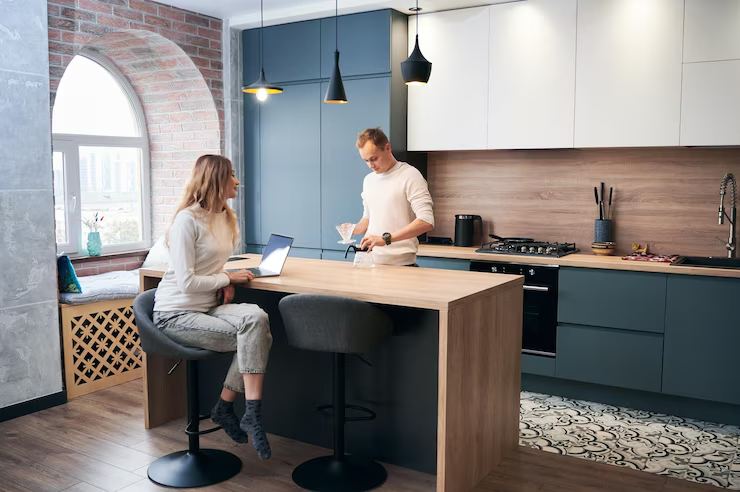
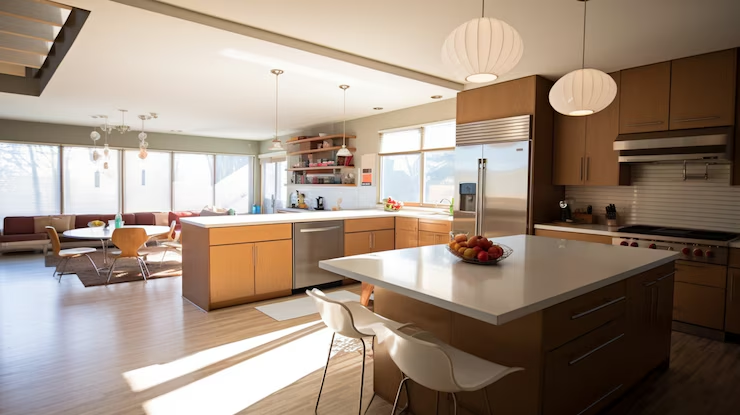
    In today’s open-concept homes, the kitchen is no longer just a room for cooking; it’s the heart of the home. This is where kitchen islands and peninsulas come in. They aren’t just trendy additions; they are functional powerhouses that can solve a multitude of design challenges and completely transform the social dynamic of your space.

    The island layout is perfect for:

    • Open floor plans where the kitchen is part of the living area
    • Large families who need extra prep space
    • Homes with a breakfast nook need
    • Anyone who loves casual entertaining

    Peninsula layout (island alternative):

    • Medium-sized kitchens that want island benefits
    • L-shaped kitchens that need more counter space
    • Budget-conscious renovations
    • Kitchens that need room division from living areas

    Size rule: Allow at least 3 feet of walkway around all sides. Your island should enhance flow, not create traffic jams.

    Smart Storage Solutions for Modular Kitchens

    You can have the most beautiful, perfectly laid-out kitchen in the world, but if your storage is an afterthought, it will always feel cluttered and chaotic. A truly functional modular kitchen setup is built around smart kitchen storage solutions. This isn’t just about having enough cabinets; it’s about having the right kind of storage in the right places, creating zones that match how you actually cook.

    Think like a chef and create dedicated zones:

    • Consumables Zone: Your pantry and refrigerator for food storage.
    • Non-Consumables Zone: Upper cabinets near the dishwasher for everyday dishes, glasses, and mugs.
    • Cleaning Zone: The area under the sink for cleaning supplies.
    • Preparation Zone: Drawers and counters with easy access to knives, cutting boards, mixing bowls, and spices.
    • Cooking Zone: Cabinets and deep drawers near the stove for pots, pans, and baking dishes.

    Best Storage Units for Modular Kitchens and Their Cost:

    Storage TypeBest ForTypical Cost Range
    Soft-close drawersHeavy items, frequent use$50-150 per drawer
    Pull-out pantryDry goods, canned items$200-400
    Corner carouselAwkward corner spaces$150-300
    Tall unitsMaximum vertical storage$400-800

    Modular Kitchen Cabinet Arrangement Tips
    How to Plan a Modular Kitchen: Layouts That Work

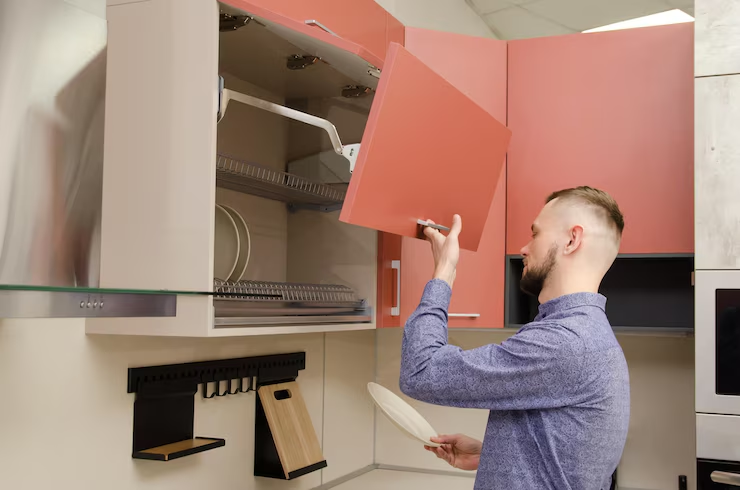
    Kitchen cabinet arrangement can make your modular kitchen feel twice as big. It’s not just about having enough cabinets – it’s about putting them in the right places.

    Upper cabinet guidelines:

    • Keep everyday dishes between 15 and 48 inches from the counter.
    • Store lightweight items only (dishes weigh more than you think).
    • Leave 18 inches between the counter and upper cabinets.
    • Use glass doors for items you want to display.

    Base Cabinet Strategy: Drawers vs. Shelves

    • Heavy items go in the lower drawers.
    • Most-used items at waist height
    • Deep drawers beat deep shelves every time.
    • Corner cabinets need special hardware to be useful.

    How to Plan Your Modular Kitchen Setup the Right Way

    Modular kitchen setup tips start with measuring your space properly. Too many people skip this step and end up with beautiful kitchens that don’t work well.

    Critical measurements:

    • Total room dimensions (length × width × height)
    • Window and door locations (affect cabinet placement)
    • Electrical and plumbing locations (expensive to move)
    • Ceiling height (determines cabinet height options)

    Planning checklist:

    1. Draw your kitchen to scale
    2. Mark all fixed elements (windows, doors, pipes).
    3. Plan your work triangle first
    4. Add storage around the triangle
    5. Consider traffic flow from other rooms

    Modular Kitchen Design on a Budget: Cost-Saving Tips
    How to Plan a Modular Kitchen: Layouts That Work

    The modular kitchen market size is forecast to increase by USD 15.11 billion at a CAGR of 6.43% between 2023 and 2028, but you don’t need to spend a fortune. Smart planning gives you high-end looks on reasonable budgets.

    Money-saving strategies:

    • Keep plumbing in place (moving pipes costs $500-1500).
    • Choose standard sizes (custom sizes cost 30-50% more).
    • Mix high-end and budget elements (splurge on hardware, save on boxes)
    • Plan for phases (install basics first, upgrade later)

    Budget breakdown:

    • Cabinets: 35-40% of total budget
    • Appliances: 25-30% of total budget
    • Countertops: 15-20% of total budget
    • Installation: 10-15% of total budget

    Conclusion: Why a Well-Planned Modular Kitchen Is Worth It

    Modern modular kitchens offer incredible storage innovations that make life so much easier. Forget getting on your hands and knees to reach a pot in the back of a deep cabinet; pull-out drawers in base cabinets bring everything to you. 

    Those infuriating corner cabinets are tamed with Lazy Susans or multi-tiered carousels. Tall pantry units with internal pull-out drawers let you see everything at a glance, so that can of tomato paste from 2019 doesn’t get lost in the back. These aren’t just bells and whistles; they are ergonomic improvements that you will appreciate every single day.
  • Easy Home Decor Ideas for Your Indoor Plants

    Easy Home Decor Ideas for Your Indoor Plants

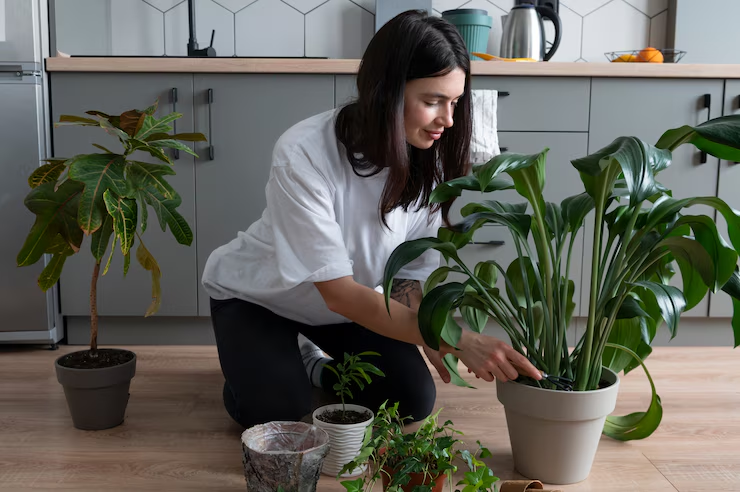
    The indoor plant decor market is getting huge these days. Numbers show that the global indoor plants market was worth approximately $20.68 billion in 2024 and is growing at a rate of 4.87% annually. This isn’t just a passing trend—people are truly transforming how they decorate their homes.

    Here is an interesting thing – research at 4 hospitals in San Francisco found that 79% of patients felt more relaxed when they spent time around plants. Other studies show that plants can make your heart rate and blood pressure go down. 

    So when you’re thinking about home decor with indoor plants, you’re not just making your place look nice—you’re making it healthier too.

    Why Indoor Plants Are Perfect for Modern Home Decor

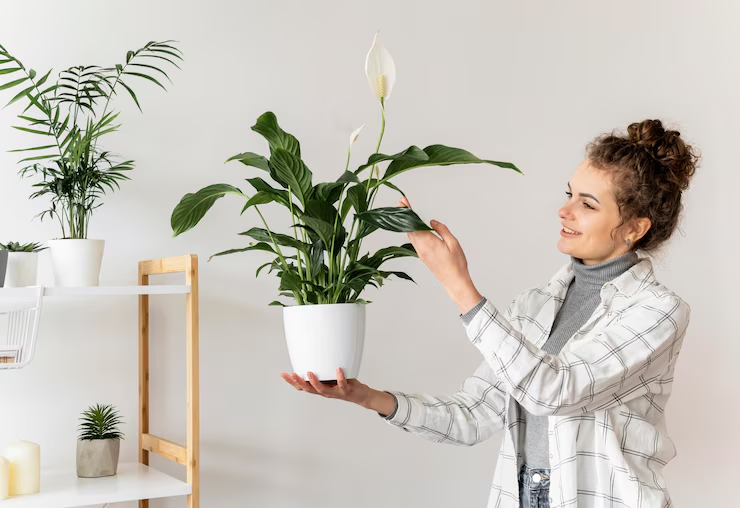
    Decorative indoor plants have become the best choice for people who want to add life and color to their spaces without spending too much money. The good thing about using plants as decor is that they work in many ways, don’t cost much, and grow with you over time.

    A study revealed that being around indoor plants makes you less stressed. This means your indoor greenery decoration isn’t just nice to look at—it’s making you feel better. The natural colors and shapes make a great contrast to all the straight lines and fake materials we see in most modern homes.

    Plant styling has really changed in recent years. Plant lovers are getting braver with rare and unusual plant types. 2024 has seen a big jump in popularity for unique plants that you won’t find at every store. This means people can create truly personal spaces that show their style while getting all the good benefits of having plants indoors.

    Best Indoor Plants for Home Decor (Room-by-Room Guide)

    The secret to good home decor with indoor plants is knowing which plants work best in different rooms. Your living room needs different plants than your bedroom or bathroom, and knowing these differences will save you money and problems.

    Living Room Indoor Plant Ideas for Visual Impact

    Your living room is where you can really show off with the best indoor plants for home decoration. Big plants like fiddle leaf figs or Monstera deliciosa work great in corners where they can grow up and become like living art pieces. These plants love bright light but not direct sun, so putting them near windows works perfectly.

    Putting plants of different heights together creates that layered look that looks professional. Try grouping a tall snake plant with medium-sized pothos and small succulents on different levels. Use plant stands or side tables to create this look. The “rule of three” works here—odd numbers of plants look more natural and less formal.

    Hanging indoor plant ideas are perfect for living rooms, too. Macrame plant hangers or simple ceiling hooks can hold trailing plants like string of pearls or heartleaf philodendrons. This adds height without taking up your floor space, which is really important in smaller apartments.

    Bedroom Plants That Help You Sleep Better

    Your bedroom needs special attention when it comes to modern plant decor. Snake plants and aloe vera are great choices because they make oxygen at night, which might help you sleep better. Put these on nightstands or dresser tops where they can do their work while you rest.

    Low-maintenance indoor plants like pothos or ZZ plants are perfect for bedrooms that don’t get much natural light. These can go on shelves, windowsills, or even on the floor in nice pots that match your bedroom colors.

    The mental health benefits are real here, too. Research shows that being around houseplants helps lower cortisol (the stress hormone) and has been linked to better memory and greater life satisfaction. Your bedroom becomes more than just a place to sleep—it’s a place for mental wellness.

    Top Kitchen and Bathroom Plants for Function and Style

    Kitchen plant decor should focus on herbs and small plants that can handle temperature changes and humidity. Basil, mint, and small succulents on windowsills give you both beauty and usefulness. A 2021 Garden Trends Report found that 67% of adults are growing edible plants, with 33% specifically growing herbs.

    Bathrooms are great for humidity-loving plants. Ferns, air plants, and some orchids actually like the steamy environment. You can put these on shelves, hang them from shower curtain rods, or use suction cup planters on tiles.

    Modern Plant Decor: Container and Planter Styling Ideas

    Easy Home Decor Ideas for Your Indoor Plants

    The container you choose can completely change how your decorative indoor plants fit into your overall decor. Moving beyond basic clay pots opens up tons of possibilities for stylish indoor plant setups that match your style.

    1. Minimalist and Clean Indoor Plant Setup

    For a contemporary feel, choose simple geometric planters in neutral colors like white, black, or grey. Concrete planters have gotten really popular because they give that modern industrial vibe while being strong enough for bigger plants. These work great with architectural plants like snake plants or rubber trees.

    Ceramic planters with clean lines and subtle textures can bridge the gap between modern and natural. Look for pots with interesting shapes—cylindrical, square, or triangular containers add visual interest while keeping that minimalist feel.

    1. Boho, Eclectic, and Vintage Plant Container Ideas

    If your style is more bohemian, embrace macrame plant hangers, woven baskets, and colorful ceramic pots. Mixing different textures and colors creates that lived-in, collected-over-time feeling that defines boho decor.

    Vintage containers like old mason jars, antique watering cans, or repurposed household items add character and tell a story. This approach to decorating with houseplants feels personal and authentic.

    1. DIY Container Solutions

    Making your own planters can save money and create unique pieces. Old wooden crates can be lined with plastic for herb gardens. Large tin cans can be wrapped in twine or painted to match your decor. Even old books can be hollowed out for small succulents.

    Upcycling containers not only saves money but also creates conversation pieces. Just make sure you have proper drainage and choose containers that work well with your plants rather than compete with them.

    Seasonal Indoor Plant Styling Tips

    Easy Home Decor Ideas for Your Indoor Plants

    Successful indoor plant decor ideas require understanding that plants have seasons and changing needs throughout the year. This doesn’t mean your decor has to stay the same—seasonal rotation keeps your space feeling fresh.

    • Spring & Summer Indoor Plant Display Ideas

    During growing seasons, your plants will be at their most beautiful. This is when you can move them to more prominent positions and showcase their beauty. Fertilizing during these months encourages thick growth that makes your decor look better.

    Consider moving plants outdoors occasionally during warm weather to give them a boost of natural light and fresh air. This rotation system keeps plants healthy while letting you experiment with different arrangements indoors.

    • Fall & Winter Indoor Greenery Setup and Care

    As daylight hours get shorter, you might need to move plants closer to windows or invest in growing lights. This is a perfect time to focus on low-maintenance indoor plants that maintain their beauty year-round, like snake plants, ZZ plants, and most succulents.

    Grouping plants together during winter months creates microclimates that help them survive lower light conditions. This clustering also creates cozy arrangements that work well with fall and winter decor themes.

    Budget-Friendly Indoor Plant Decor Tips

    Creating beautiful home decor with indoor plants doesn’t require spending a fortune. Smart shopping, propagation, and creative styling can help you get the look you want without breaking the bank.

    How to Grow Your Plant Collection for Free

    Many popular houseplants can be propagated from cuttings, basically giving you free plants. Pothos, snake plants, and many succulents can be easily propagated and shared with friends or used to fill out your collection.

    Plant swaps with friends or local gardening groups help you diversify your collection without spending money. These community connections often lead to valuable advice and ongoing plant support.

    Best Thrift Store Finds for Plant Decor

    Thrift stores are goldmines for unique planters and containers. Old colanders, vintage bowls, and unusual vessels can become conversation-piece planters with proper drainage added.

    DIY plant stands made from stacked books, wooden crates, or concrete blocks create the layered look of expensive plant displays for way less money.

    Indoor Plant Care Mistakes to Avoid

    Even with good intentions, there are several problems that can mess up your indoor greenery decoration efforts. Learning from these common mistakes will save you time, money, and frustration.

    Overwatering and Poor Drainage Problems

    The biggest plant killer is overwatering, often made worse by containers without proper drainage. Always make sure your decorative pots have drainage holes, or use a system where plants sit in draining containers inside decorative ones.

    Ignoring Light Requirements

    Putting plants in spots just because they look good there, without thinking about their light needs, is asking for trouble. Research each plant’s specific requirements and choose locations accordingly, even if it means changing your initial design idea.

    Avoid Overcrowding Your Indoor Jungle

    While clustering plants can look beautiful, overcrowding leads to pest problems and poor air circulation. Give each plant enough space to breathe and grow, and regularly check for signs of pests or disease.

    How to Create a Stylish Indoor Plant Setup That Fits Your Life

    Easy Home Decor Ideas for Your Indoor Plants

    The journey of stylish indoor plant setup is personal and should reflect your lifestyle, preferences, and living situation. Start small with a few plants that match your experience level and gradually build your collection as you gain confidence.

    Remember that research has linked houseplants to reduced stress, lower blood pressure, and improved mood. Your decorating with houseplants isn’t just about creating a beautiful space—it’s about creating a healthier, more enjoyable living environment.

    The beauty of modern plant decor lies in its flexibility and how it evolves with you. As your plants grow and change, so can your arrangements and design choices. This living decor adapts to your life, creating a dynamic environment that never feels boring or stagnant.

    Whether you prefer clean minimalism or abundant jungle-style arrangements, the key is choosing plants and styling approaches that bring you joy and fit your lifestyle. With the right combination of plants, containers, and placement, you can transform any space into a green sanctuary that nurtures both your aesthetic sense and your well-being.

  • The Future of Interiors: Trends You’ll Love

    The Future of Interiors: Trends You’ll Love

    The interior design business is doing really well in the Gen Z era. It was worth $180.73 billion in 2023, and experts think it’ll hit $317.87 billion by 2030. That’s huge growth! But why is everyone suddenly caring about home decor so much?

    People are just tired of boring, cookie-cutter houses. They want living room decor ideas that look amazing but don’t cost a fortune. And honestly, who doesn’t want that?

    From smart storage to modern living room decor ideas, people are now more interested in home design trends than ever before. Even small changes like wall paint colors or sofa choices can make a big difference in how your home feels.

    This article will explore interior design trends you’ll love, whether you live in a flat, villa, or a small studio. If you’re looking for budget home makeover ideas or want to know what’s new in the world of interior design, you’re in the right place.

    Why Sustainable Materials in Interior Design Are Here to Stay

    The biggest change in modern home decor is that everyone wants eco-friendly stuff. This isn’t just some trend that’ll disappear next year – it’s becoming the normal way to do things when you’re planning a living room transformation.

    People want materials that look good AND don’t hurt the planet. Makes sense, right?

    Top Picks for Eco-Friendly Home Decor in 2025

    • Bamboo flooring is gaining popularity because it regrows in just 3-5 years, compared to 20-30 years for regular wood. It’s perfect for affordable room decor because it costs way less than hardwood but lasts just as long.
    • Cork is making a comeback, too. It naturally fights germs and fire, plus it’s great for keeping your house warm or cool. 
    • Hemp textiles are replacing those synthetic fabrics in curtains and furniture covers, which is awesome news if you have allergies.

    Recycled Materials Create Unique Home Decor Pieces

    People are turning old barn wood into dining tables and accent walls. Recycled glass becomes light fixtures and pretty decorative stuff. Each piece has a character that brand new materials just can’t match.

    Reclaimed wood isn’t just trendy – it’s actually better quality than new lumber lots of times. The grain patterns are way more interesting, and it’s already proven it can last for decades.

    How Smart Home Design Is Changing the Way We Live

    Smart home technology is finally becoming easy to use. Instead of complicated systems that need an engineering degree to figure out, new tech is designed to just work without you having to think about it.

    Modern smart homes learn what you do. Your lights dim by themselves when you start watching TV. The temperature changes when you’re driving home. This tech is changing how we think about living room layout and how to arrange furniture.

    Must-Have Smart Gadgets for Modern Homes

    Air quality monitors are becoming standard in homes now. These systems track bad stuff in the air and humidity, then automatically fix the ventilation. Some even connect to your health apps to make the air quality perfect for your specific needs.

    Smart glass windows can tint themselves based on sunlight, reducing glare and heat while keeping natural light. This is really helpful in home offices where screen glare is always a problem.

    Bringing Nature Inside Your Home

    The Future of Interiors: Trends You’ll Love

    The connection between humans and nature is driving one of the strongest interior design trends. The demand for residential interior design services is expected to grow from USD 145.01 billion in 2025 to USD 186.22 billion by 2030, showing a CAGR of 5.13%. The growth is mostly because people want comfortable, functional spaces that feel natural.

    Biophilic design is more than just adding some plants. It’s about creating environments that actually feel like nature. Living walls are becoming part of the architecture, not just decorations.

    Tricks to Maximize Natural Light in Small Rooms

    Using mirrors and shiny surfaces to get more natural light is a key interior design tip. Skylights are being added to weird spaces like closets and bathrooms. Light tubes bring natural light to rooms that don’t have windows.

    Circadian lighting systems change color temperature all day long. Cool blue light in the morning switches to warm amber tones at night, which helps with sleep patterns.

    Calm Space with Indoor Plants and Green Decor

    Kitchen herb gardens are turning into hydroponic systems built right into cabinets. Living room plant walls work as air purifiers. Bathroom plants love humidity-controlled environments.

    This trend goes to furniture choices too. Live-edge wood tables and stone countertops create real connections to nature in your cozy living spaces.

    The Balance Between Minimalist and Maximalist Decor

    The future of modern home decor is finding balance between having too much stuff and having too little. It’s not about picking sides – it’s about being smart with your choices.

    This approach means having less items overall, but each piece makes a statement. A minimalist room might have one dramatic piece of art or a stunning light fixture that becomes the main focus.

    How to Style Personalized Home Decor Collections

    Instead of filling shelves with random stuff, people are creating displays on purpose. Travel souvenirs tell stories. Book collections show what you’re interested in. Each item has purpose and meaning.

    Color palettes are getting more sophisticated. Neutral bases get accented with bold, personal choices. A white and beige room might have a single emerald green velvet sofa or vibrant artwork.

    Smart Furniture Ideas for Flexible Room Layouts

    Furniture that does multiple things is essential. Ottoman storage units, expandable dining tables, and modular seating adapt to different needs. The goal is maximum impact with minimum clutter in your living room layout.

    How to Use Color Psychology in Home Design for Wellness

    The Future of Interiors: Trends You’ll Love

    Total energy use and CO2 from buildings went above pre-pandemic levels globally, with emissions hitting an all-time high of around 10 billion tons of CO2. This environmental concern is driving color choices that help both wellness and energy efficiency.

    Color psychology is becoming more scientific in interior design. Cool blues and greens reduce stress and help you focus, making them perfect for home offices. Warm earth tones create welcoming environments in living spaces.

    Cool Ways to Add Mood-Boosting Features to Your Home

    Paint companies are developing new formulas that respond to environmental conditions. Some paints change slightly with temperature or humidity. Others have natural minerals that help clean the air.

    Different textures in the same color family creates visual interest without overwhelming your senses. Matte and glossy finishes of the same shade can define different areas in open floor plans.

    The Beginner’s Guide to DIY Home Styling

    DIY home styling is becoming way more accessible thanks to better tools and online resources. People are learning to avoid common home styling mistakes through video tutorials and step-by-step guides.

    The key to successful DIY home styling is starting small. Pick one wall to paint or one corner to reorganize. Master the basics before taking on bigger projects.

    Common Interior Design Mistakes to Avoid

    One of the biggest home styling mistakes is not measuring spaces before buying furniture. Another is choosing paint colors without testing them in different lighting conditions.

    Poor furniture arrangement can make even the most expensive pieces look cheap. The rule of thumb is to create conversation areas and make sure traffic flow isn’t blocked.

    Affordable Room Decor That Doesn’t Look Cheap

    Affordable room decor doesn’t mean cheap-looking. It means being smart about where you spend money and where you can save.

    The 80/20 rule works well here. Spend 80% of your budget on key pieces like sofas and dining tables. Use the remaining 20% for accessories and decorative items.

    Budget Home Decor Tips That Actually Work

    Thrift stores and estate sales are goldmines for unique pieces. A $20 side table can look like a $200 piece with the right styling around it.

    Living room decor ideas on a budget include rearranging existing furniture, adding plants, and changing out throw pillows and curtains. These small changes can create a completely different feel.

    Growth in the Interior Design Industry

    The Future of Interiors: Trends You’ll Love
    Group of architects working on 3D printed models of buildings. Architecture and design

    The Interior Design Services Market size is expected to reach $145.01 billion in 2025 and grow at 5.13% to reach $186.22 billion by 2030. This growth is driven by homeowners increasingly willing to invest in quality, sustainable design.

    Professional interior designers are reporting higher demand for consultation services. The complexity of modern design choices makes professional help more valuable than ever.

    How to Make Interior Trends Work for Your Own Home

    The interior design trends we’re seeing aren’t just about style – they’re about creating homes that support health, respect the environment, and adapt to changing needs. From sustainable materials to smart technology, these trends offer practical solutions for modern living.

    Whether you’re planning a complete living room transformation or just updating a single room, these trends offer tons of ways to create spaces that are beautiful, functional, and responsible. Your home can reflect who you are while also being a force for positive change.The future of interiors is here, and it’s more exciting than ever. Start with one small change and build from there. Your perfect cozy living space is waiting for you.

  • Living Room Styling Basics: Do’s and Don’ts

    Living Room Styling Basics: Do’s and Don’ts

    Did you know that all-white, cookie-cutter living rooms are trending out according to interior designers? The reality is that 50% of homeowners spend most of their time in the living room, making it the most important space to get right. But many people make the same home styling mistakes that can ruin their whole house vibe.

    The living room is basically where everything happens – morning coffee, Netflix binges, birthday parties, you name it. But figuring out living room decor ideas can feel pretty overwhelming with all the different advice out there.

    This guide breaks down the main do’s and don’ts of living room styling, with real expert tips and what’s trending right now. Whether you’re starting fresh or just want some affordable room decor ideas, these interior design tips will help you make a room that looks good and actually works for your life.

    Understanding Your Space: Getting the Basics Right

    Before you go crazy buying furniture and stuff, you should understand your space first. Any living room transformation starts here. One of the most common interior design mistakes we see is the wrong scale. This happens when people don’t really think about their room size and how things fit together.

    Your living room’s size, shape, and how much natural light it gets will decide everything from your living room layout to what colors you pick. A big mistake people make is trying to copy some magazine room without thinking if it’ll actually work in their space.

    Do’s for Planning Your Space:

    • Measure everything twice – Before buying anything, measure your room, doorways, windows, all of it. Draw a simple floor plan on paper or use free apps for DIY home styling.
    • Think about how people walk through – Leave at least 36 inches of space around your main furniture so people can walk without bumping into stuff.
    • Figure out what you actually do in there – Is this where you watch TV with the family or is it more for when guests come over? Your choices should match how you really use the room.

    Don’ts for Planning Your Space:

    • Don’t stick all furniture against the walls – A common design mistake we see all the time is putting all the furniture along the walls, which leaves the middle of the room empty and weird. This actually makes rooms feel smaller and less cozy.
    • Don’t ignore what’s already there – Work with stuff like fireplaces, built-in shelves, or big windows instead of trying to hide them.
    • Don’t buy furniture before you plan – Lots of people fall in love with a couch or table before they know what fits. Then they end up with stuff that doesn’t work.

    Tips for Choosing the Right Furniture for a Home

    Furniture arrangement is where most living room decor ideas either work great or fall apart. Curved furniture, especially sofas and armchairs, will be popular in 2025 – bringing a welcome softness to living spaces, interior design experts say.

    The trick is mixing comfort, style, and making sure everything actually works. Your furniture arrangement guide should focus on making cozy living spaces that feel put-together but still work for everyday life.

    Do’s for Picking Furniture:

    • Spend money on the important stuff – Start with a good couch, coffee table, and lights. These are the main pieces that everything else works around for modern home decor.
    • Mix up heights and shapes – Put tall bookshelves with low side tables, round coffee tables with square couches. This makes things more interesting to look at.
    • Pick one main thing to focus on – Every living room needs something that catches your eye first, like a fireplace, big artwork, or a really cool piece of furniture.
    • Think about size – Big rooms can handle bigger furniture, smaller rooms need smaller stuff for affordable room decor.

    Don’ts for Picking Furniture:

    • Don’t buy matching sets – This makes your room look like a furniture store. Mix different styles and time periods to make it more interesting.
    • Don’t pick style over comfort – Your couch might look amazing, but if it’s uncomfortable, you won’t want to hang out in there.
    • Don’t cram too much in – Sometimes less is better for living room layout. Give your furniture some breathing room.

    Colors and How They Make You Feel

    Living Room Styling Basics: Do's and Don'ts

    Color choices can totally make or break your living room decor ideas. Colors change how you feel, how big your room looks, and the whole vibe. Expect jewel tones paired with natural textures to be big in 2025, design experts say.

    Understanding how colors work helps you create the right feeling. Warm colors like reds and oranges make things feel energetic and cozy, while cool colors like blues and greens are more calm and relaxing.

    Do’s for Picking Colors:

    • Start with neutral colors – Use neutral colors (beige, gray, white) as your base, then add personality with accent colors through pillows, art, and accessories for modern home decor.
    • Use the 60-30-10 ruleUse your main color for 60% of the room, a second color for 30%, and a bold accent color for 10%.
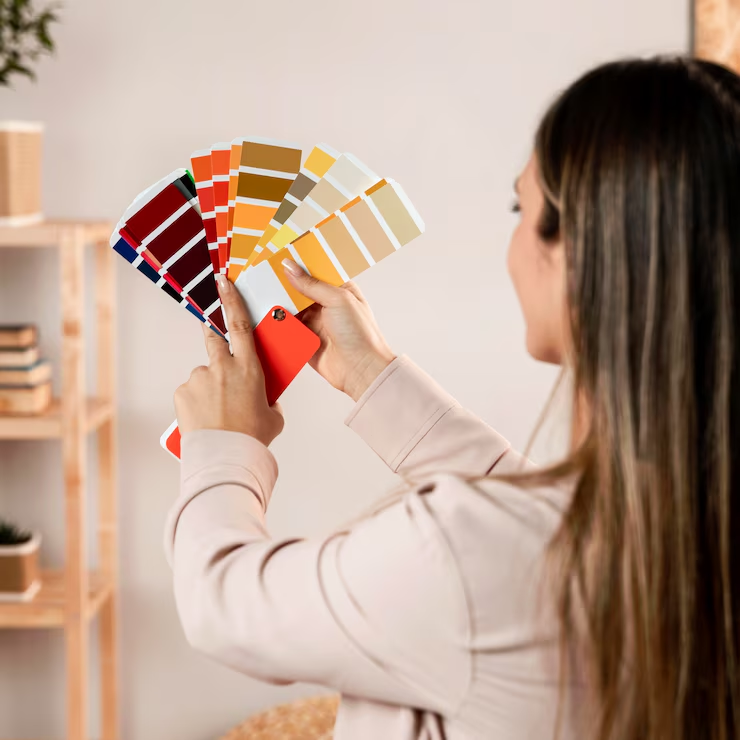
    • Test colors in different light – Colors look different in natural light versus lamp light. Test paint samples and fabric pieces in your actual room.

    Don’ts for Picking Colors:

    • Don’t use too many colors – Stick to 3-4 colors max, or it’ll look crazy. More colors don’t mean better style.
    • Don’t ignore undertones – Every color has undertones (warm or cool). Make sure your colors work together.
    • Don’t just follow trends – Jewel tones might be trendy, but pick colors you actually like and can live with for years.

    Lighting: Making Everything Look Good

    Lighting design gets ignored a lot but it’s super important for making cozy living spaces. Bad lighting can ruin even the best furniture and colors. Most living rooms need different kinds of lights to work right all day.

    Good lighting mixes general lighting (for the whole room), task lighting (for specific stuff), and accent lighting (for decoration). This makes everything look better and lets you change the mood.

    Do’s for Lighting:

    • Use different types of lights – Use overhead lights for general light, table lamps for reading, and accent lights to show off art or cool features.
    • Get dimmer switches – This lets you change how bright things are for different moods and times.
    • Use lots of light sources – Don’t just rely on one overhead light. Put lights around the room for even lighting.

    Don’ts for Lighting:

    • Don’t only use overhead lights – This makes harsh shadows and doesn’t feel welcoming.
    • Don’t put lamps too high or low – Art hung too high is a common design mistake in living rooms. Try to put the center of your art at eye level, around 56″-60″ from the floor. The same principle applies to where you place lights.
    • Don’t ignore lamp shade size – The shade should fit with the lamp base and the furniture it sits on.

    Adding Accessories Without Going Overboard

    Accessories and decor are where you can really show your personality, but this is also where lots of people mess up. The key is finding the right balance between showing your style and not making things look crazy for affordable room decor.

    Think maximalism, organic shapes, and bold statements are trending for 2025, but this doesn’t mean filling your space with random stuff.

    Do’s for Accessories:

    • Group things in odd numbers – Put accessories in groups of 3 or 5 because it looks better.
    • Mix different heights and textures – Use different materials like wood, metal, glass, and fabric to make things interesting.
    • Leave some empty space – Not every surface needs stuff on it. Empty space gives your eyes a break.

    Don’ts for Accessories:

    • Don’t fill every surface – This makes everything look messy and makes cleaning hard.
    • Don’t buy stuff just to fill space – Quality is better than quantity in interior design tips.
    • Don’t ignore size – Small accessories get lost in big rooms, while huge pieces can take over small spaces.

    Common Mistakes People Make While Styling a Room 

    Tips for Choosing the Right Furniture for a Home

    Learning from other people’s home styling mistakes can save you time and money. “One of the biggest mistakes I see is rugs that are too small for a room,” designer Gideon Mendelson says. This is just one of many common errors that can mess up your living room transformation.

    Knowing these common mistakes helps you make better choices from the start. Most styling errors happen when people rush or don’t know basic design stuff.

    The Biggest Don’ts:

    • Don’t pick the wrong rug size – Your rug should be big enough that at least the front legs of your furniture sit on it. A too-small rug makes the room feel disconnected.
    • Don’t ignore coffee table spacing – Leave 12-18 inches between your coffee table and seating so people can move around.
    • Don’t hang art too high – Like we said before, art should be at eye level, not way up high.
    • Don’t forget about storage – Pretty rooms still need places to put stuff. Think about this from the beginning.

    Making It Your Own Style

    Living room styling is part art, part science. You need to understand design rules while staying true to your style and what you need. The key is finding the right balance between current trends and stuff that won’t go out of style for modern home decor.

    Your living room should show your personality and how you live, not just follow trends. In 2024, dreamy futuristic decor schemes will take a more prominent spot in interiors, but you don’t have to do every trend.

    The best living room decor ideas mix current design rules with personal touches that make the space feel like you. This makes a room that feels both stylish and real.

    Final Tips

    Did you know that all-white, cookie-cutter living rooms are trending out according to interior designers? The reality is that 50% of homeowners spend most of their time in the living room, making it the most important space to get right. But many people make the same home styling mistakes that can ruin their whole house vibe.

    The living room is basically where everything happens – morning coffee, Netflix binges, birthday parties, you name it. But figuring out living room decor ideas can feel pretty overwhelming with all the different advice out there.

    This guide breaks down the main do’s and don’ts of living room styling, with real expert tips and what’s trending right now. Whether you’re starting fresh or just want some affordable room decor ideas, these interior design tips will help you make a room that looks good and actually works for your life.