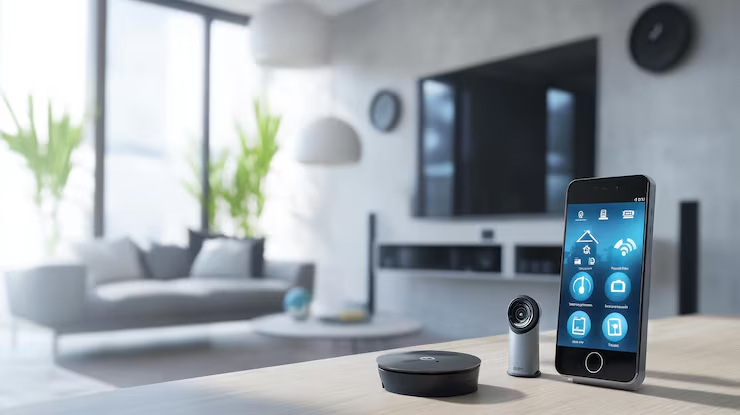
Your electricity bill just jumped 15% this summer, and you’re probably wondering where all that extra money went. Here’s a shocking fact: regular electricity can cost you more if you are not aware of Smart Plug scheduling.
The smart plug market is expanding. Millions of Americans are finding out that smart plug scheduling can cut their energy costs by 20-30% without really changing their lifestyle.
Smart homes use way less energy than regular homes, and it all starts with one simple device that costs less than a pizza. This is the time to become advanced with better savings. Smart home automation is the easiest way to get into this stuff, and here’s exactly how you can do it.
What is Smart Plug Scheduling, and Why Do You Need It?
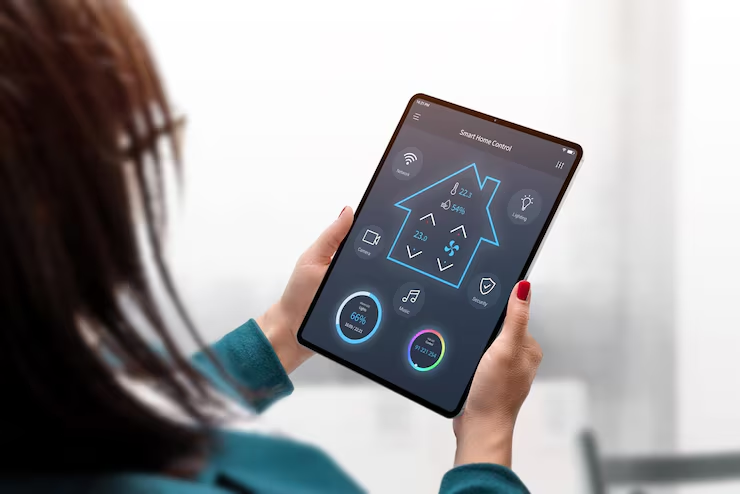
Smart plug scheduling just means you can control when your devices turn on and off automatically. No more forgetting to turn off that space heater or wondering if you left the coffee maker on all day. A Wi-Fi smart plug connects to your home internet and follows schedules you set up in an app on your phone.
The best part? A smart plug only uses 1-2 watts of power itself, so it pays for itself super fast. Think of it as giving your dumb appliances a brain that remembers to turn them off when you forget.
Smart home automation doesn’t have to be complicated or expensive. You can start with just one plug and build from there. The tech works by connecting to your Wi-Fi and taking commands from your phone, even when you’re not home.
The Hidden Energy Vampires Draining Your Wallet
Here’s what’s really eating up your electricity bill. The average American home has around 40 devices plugged in all the time. A lot of this power is wasted even when you’re not using them. This “phantom power” costs you real money:
- Gaming consoles: $150-200 per year just sitting there in standby mode.
- Cable boxes: $100 a year if you leave them on 24/7.
- Desktop computers: $175 per year if they never get turned off.
- Old TVs and entertainment systems: $80-120 per year.
- Phone chargers and small appliances: $50-100 per year combined.
That adds up to $400-600 in wasted electricity every year for most families. A $15 smart plug can eliminate most of this waste automatically.
How to Set Up Your First Smart Plug in 10 Minutes?
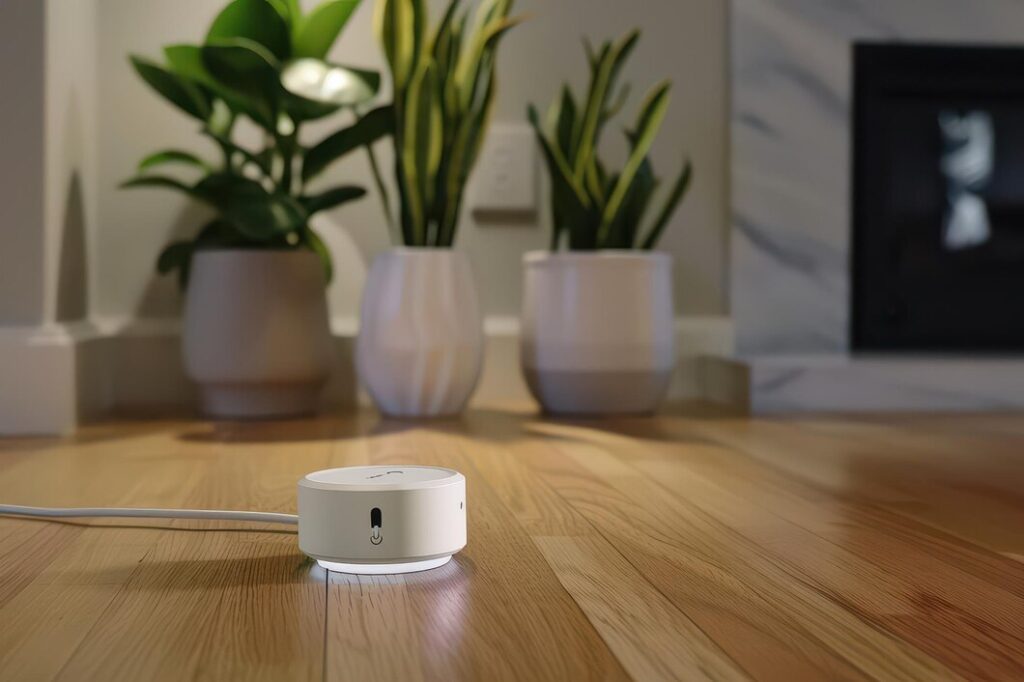
Getting started with smart plug automation is easier than setting up a new phone. Here’s the step-by-step process:
- Step 1: Pick Your First Device
Start simple. A coffee maker, a lamp, or your phone charging station are great first choices. Don’t try to hook up your big heaters or complex electronics until you get the hang of it. - Step 2: Choose Your Smart Plug Type
This depends on what you already use at home.- A Google Smart Plug works best if you already use Google Home.
- There are many smart plugs for Alexa if you have Amazon Echo devices.
- Universal plugs work with multiple systems if you’re not sure.
- Step 3: Download the App
Most smart plug timer app setups take about 5 minutes. The app will walk you through connecting the plug to your home Wi-Fi. You’ll need your Wi-Fi password ready. - Step 4: Create Your First Schedule
This is where you set up the smart plug. Instead of you remembering to turn things off, you just set rules for the plug to follow. For example:- “Turn off TV and all gaming stuff every night at midnight.”
- “Start the coffee maker Monday-Friday at 6:30 AM.”
- “Turn on living room lamps when the sun sets.”
Advanced Features: Voice Control and Remote Access
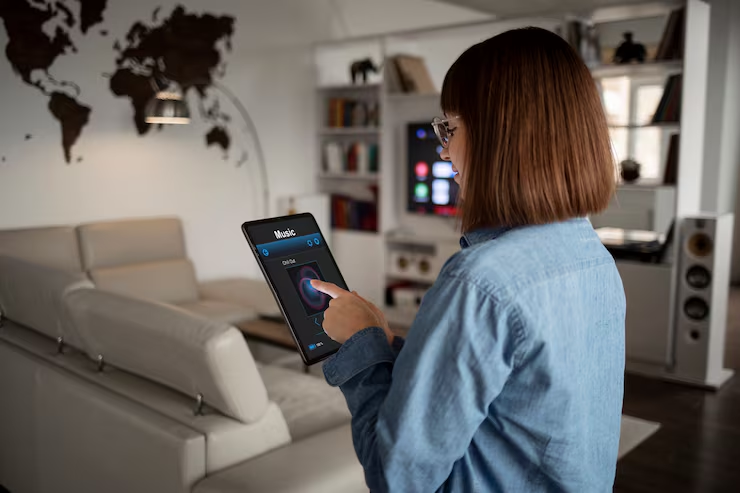
A voice control smart plug setup makes your new smart home system even easier to use. Once you connect it to Alexa or Google Home, you can just say things like
- “Alexa, turn off the living room lamp.”
- “Hey Google, turn on the coffee maker.”
- “Alexa, turn off all the bedroom plugs.”
Remote plug control means you can manage your home from literally anywhere with your phone. Did you forget to turn off a fan after leaving for work? No problem. Open the app and turn it off. Are you going to be late getting home? Turn on some lights from your car so you don’t walk into a dark house.
Common Mistakes That Cost You Money
A lot of people get excited and make a few simple mistakes that can be frustrating. Learning from them now will save you time and make sure your smart home automation actually works for you. Avoid these common slip-ups.
- Don’t Over-Automate Right Away. The biggest mistake people make is buying a dozen plugs and trying to make everything smart at once. Start with one or two devices you always forget to turn off. Add more plugs slowly as you get used to it.
- Check Device Compatibility. Some things just don’t work well with a Wi-Fi smart plug. Anything with a mechanical on/off switch or complex safety features might not turn back on right after the plug gives it power.
- Update Your Schedules. Your routine changes. Your work schedule changes, and seasons change. Look at your plug schedules every few months to make sure they still make sense for you.
- Don’t Forget Manual Control. Make sure you can still turn your stuff on and off by hand if you need to. The best systems help you; they don’t trap you.
Popular Smart Plug Options
There are a ton of brands out there, but you don’t need to get lost in reviews. Most people just need a reliable plug that works with the system they already have, like Alexa or Google. Here are the most popular choices that just work.
- Amazon Smart Plug: Works perfectly with Alexa devices and usually costs around $25. The setup is done right inside the Alexa app and takes minutes. This is one of the most popular smart plugs for Alexa.
- TP-Link Kasa Plugs: These are great because they work with Alexa, Google Home, and their own app. They often have energy monitoring features and cost between $10 and $20 each.
- Google Nest Plugs: If you’re building a Google-based home, a Google smart plug is the best fit. They integrate perfectly but are a bit more expensive, around $20-30.
For the smart plug timer app setup, most of these brands are pretty similar. The key is to try and stick with one system (like all Google or all Alexa) so all your devices can talk to each other easily.
Building Your Complete Smart Home System
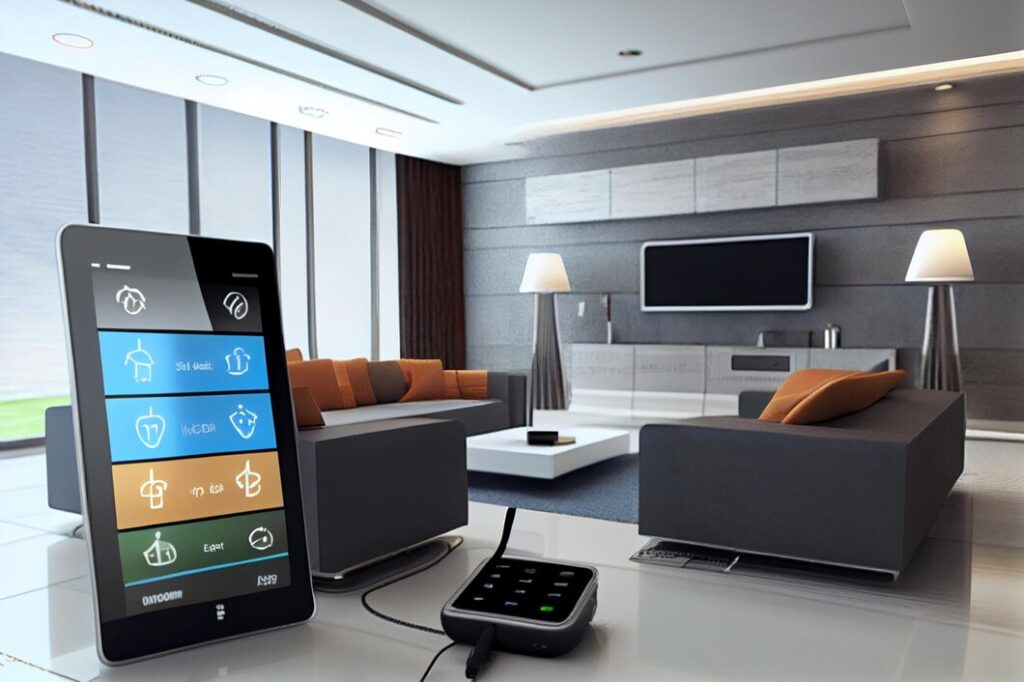
Smart plug automation is just the beginning. Once you see how easy it is and how much you save, you can expand your smart home system to include:
- Smart thermostats can save 10-15% on heating and cooling
- Smart light switches
- Smart water heater controllers
- Smart sprinklers for your lawn
Each new device just adds to the savings and makes your home smarter and your life a little easier.
The Bottom Line: Start Today, Save Tomorrow
Over 83 million homes in North America had smart devices by 2028, and the smart plug is the most popular way to start. The technology isn’t complicated, the setup is not hard, and the savings start right away.
The time to start is now. Every day you wait is another day that “phantom power” is draining money from your wallet. The initial cost is small, and the benefits just keep adding up over time.