
The market for smart lighting systems was huge in 2023, making over $14 billion. And it just keeps getting bigger by 15% every year. These are not your normal fancy light bulbs anymore. Adaptive LED lighting is changing our homes by automatically changing the light for how we feel, the time of day, and what we’re doing.
Studies even show that people who use intelligent home lighting at their office jobs get 19% more work done in only three weeks. The lights get dimmer for video calls and brighter when they need to focus on something.
Energy-efficient smart lights can also save a lot of money on your electric bill. LED lights with smart controls can use 60-80% less energy. The best part? They don’t have to program anything. The system just learns what they like.
What Is a Smart Lighting System and How Does It Work?
Mood-based lighting solutions are a big step up from the smart bulbs you already know. These systems use sensors, AI, and even data about your body to make personalized lighting experiences. The light changes all day based on what you need and how you feel.
The tech uses different data to make its smart choices. Motion sensors know when you’re in a room, light sensors check the sunlight from outside, and some systems can even check your heart rate or use a camera to see your mood.
Main Components of a Modern Smart Lighting System
Modern automated lighting control systems have a few key parts that work together:
- Circadian rhythm lighting is a big one. It follows your body’s natural sleep clock. It changes the color and brightness of the light to match the time of day. Even though it’s great for your health, less than 0.5% of lights sold today do this. That means there is a lot of room for it to grow.
- Biometric sensors let the lights react to you. The market for these sensors was worth $2.09 billion in 2024 and should grow almost 20% every year until 2030. More people are putting these in their homes.
- AI-powered lighting learns what you do over time. It figures out your schedule for work, relaxing, or sleeping. The system gets smarter and smarter at knowing what you want, so you don’t have to mess with settings.
How Does Smart Lighting Affect Mood

The link between light and your mood is not just marketing talk; it’s real science. Circadian rhythm lighting is tied to your mood, mental health, and even seasonal depression. Your brain has a master clock that is very sensitive to light.
When tunable white lighting systems change color and brightness throughout the day, they’re helping your body’s natural clock. This isn’t just about comfort; it changes how your brain works.
Better Daily Performance
Research shows bright, cool light (like daylight) during the day makes you more alert and helps you think. Warm, soft light at night helps your body make melatonin so you can sleep better.
The productivity gains are real. Workers with adaptive LED lighting do 15-20% better work compared to people with normal office lights. The key is to match the light to the task.
Mood control with lights can really help people who get depressed in the winter. Studies showed that better lighting helped people sleep 10 minutes longer each night over two years and made them feel less depressed long-term.
Automated Lighting Control: Time-Based and Activity-Based Adjustments
The best smart lighting systems don’t wait for you to tell them what to do. They use automated lighting control to know what you need based on the time. It makes your daily routine feel smoother.
Your morning can be better with lights that slowly get brighter like a sunrise. Instead of a loud alarm and a bright light in your face, the lights can start getting brighter 30 minutes before you wake up.
Setting Up Your Own Light Schedule
Work hours are better with bright, cool lighting to keep you focused. An activity-based lighting setup can see when you’re at your desk and change the lights for you.
For your evening wind-down, you need lights to get warmer and dimmer. Smart dimming solutions can start this change a couple hours before bed, shifting from daylight colors to a warm, cozy amber light that won’t mess up your sleep.
Weekend patterns are usually different than weekdays, and smart systems learn that. They might make the “sunrise” later on Saturday or keep the lights dim and cozy longer on a lazy Sunday.
Smart Lights That Change Based on What You’re Doing
The coolest part of modern intelligent home lighting is how it knows what you’re doing. An activity-based lighting setup makes your lights an invisible helper.
Cooking needs bright, focused light on your counters. Smart systems can see you’re in the kitchen and brighten up the task lights but keep the rest of the room softer.
Reading needs a different light than watching TV. IoT smart lighting can connect to your TV or use sensors to see if you’re watching a screen. It will then dim the room lights to stop eye strain.
Exercise and Relax Modes
- Workout lighting should be bright and give you energy. Systems can connect to your fitness watch and turn on bright, cool lights when you start exercising.
- Yoga or meditation is better with warm, dim lighting. Some systems can even make the lights slowly fade in and out to match your breathing.
- Entertainment modes change for what you’re watching. Movie night gets dim home ambiance lighting, and video games might get colorful lights that flash with the action on screen.
Voice Control Lights and How They Work?
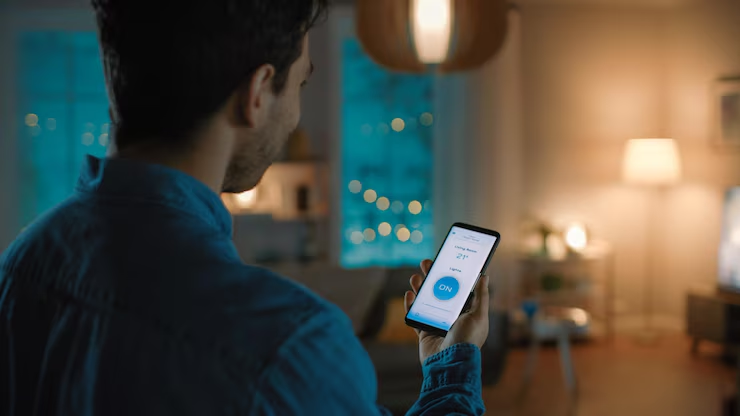
Voice-controlled lights are pretty common now in most smart lighting systems. You can just say “dim the lights for a movie,” and the system knows the perfect setting.
It works with Alexa, Google, and Siri, so these personalized lighting experiences are for everyone. You don’t have to be a tech expert.
Smart dimming solutions work great with your voice. The system remembers what you like for different commands, so it feels easy and natural.
Adaptive LED Lighting Market Growth
The adaptive LED lighting market is getting huge because people get the health benefits. The circadian rhythm lighting market was valued at $376.37 million in 2024 and is expected to hit $1,618.33 million by 2032.
This is because people care more about their health, more people work from home, and the parts for smart lighting systems are getting cheaper. This tech is now affordable for normal people.
Installation and Setup: Is Smart Lighting Hard to Install?
Putting these lights in an old house, or retrofitting existing homes can be hard and expensive. But many systems now are wireless, which makes it easier.
The learning curves can be a problem for some people. The best AI-powered lighting systems let you override the automatic settings, so you’re still in control while it learns what you like.
Homes, Hospitals, and Companies Using Smart Lighting
- Big companies like Google use adaptive LED lighting in their offices. They use circadian rhythm lighting and say their workers are happier and less tired.
- Hospitals use mood-based lighting solutions to help patients get better. Studies show patients heal faster and need less medicine when the light is right.
- Home case studies also show great results. In one study of 200 homes with smart lighting systems, 78% of people said they slept better, and 82% said they would never go back to regular lights.
What’s Next for AI-Powered Smart Lighting?
The next version of AI-powered lighting will watch you even closer. Future systems might check your breath or skin temperature to change the lights for your exact body needs.
AI will make these systems guess what you need before you do. They’ll look at your calendar, the weather, and what you usually do.
Integration with smart home ecosystems will mean your intelligent home lighting will work with your heat, security, and TV to make the perfect environment for anything.
How to Get Started with Smart Lighting at Home?

It’s easier and cheaper now to get started with smart lighting systems. You can install basic mood-based lighting solutions yourself. More advanced circadian rhythm lighting might need a professional.
Voice-controlled lights make it simple to use every day. Start small with a few smart dimming solutions and grow to full home ambiance lighting once you know what you like.
Conclusion
Adaptive LED lighting is more than a cool gadget—it’s about making our homes healthier. As they get smarter and cheaper, they are becoming a key part of a healthy home.
The proof is clear: good lighting makes a big difference for our mood, sleep, and work. These personalized lighting experiences offer real solutions that learn and grow with you. The future of lighting is not just smart—it’s intelligent, and energy-efficient smart lights are lighting the way.
Leave a Reply